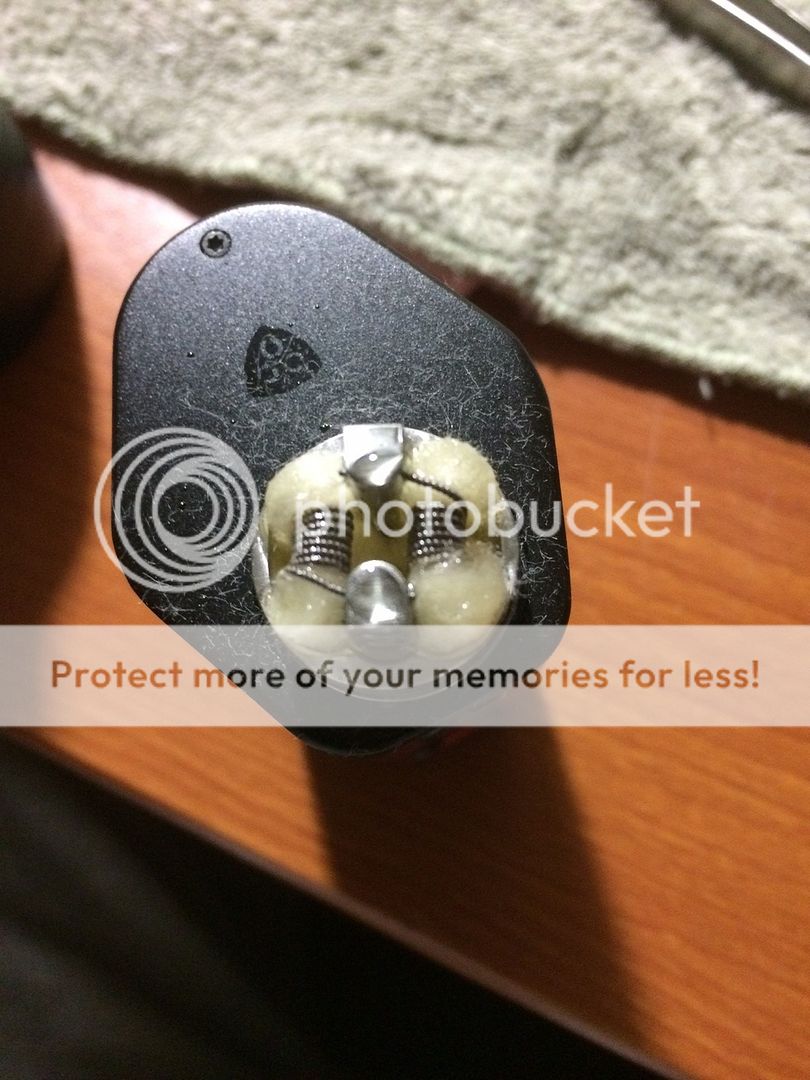
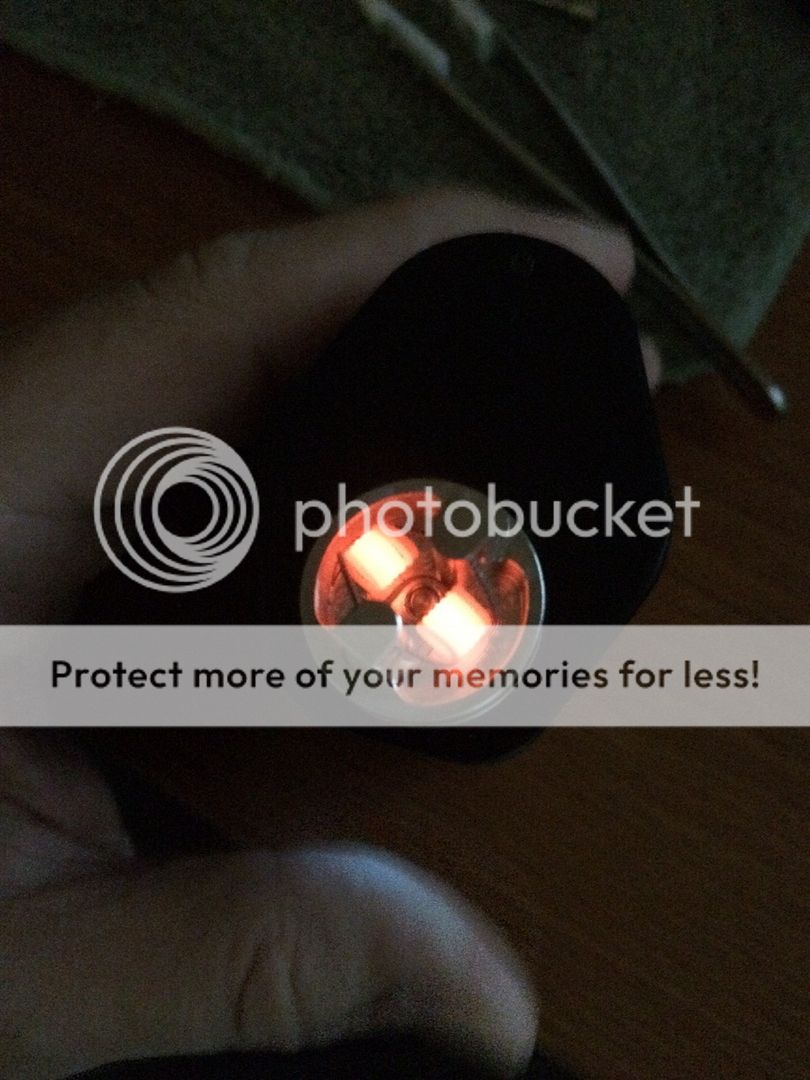
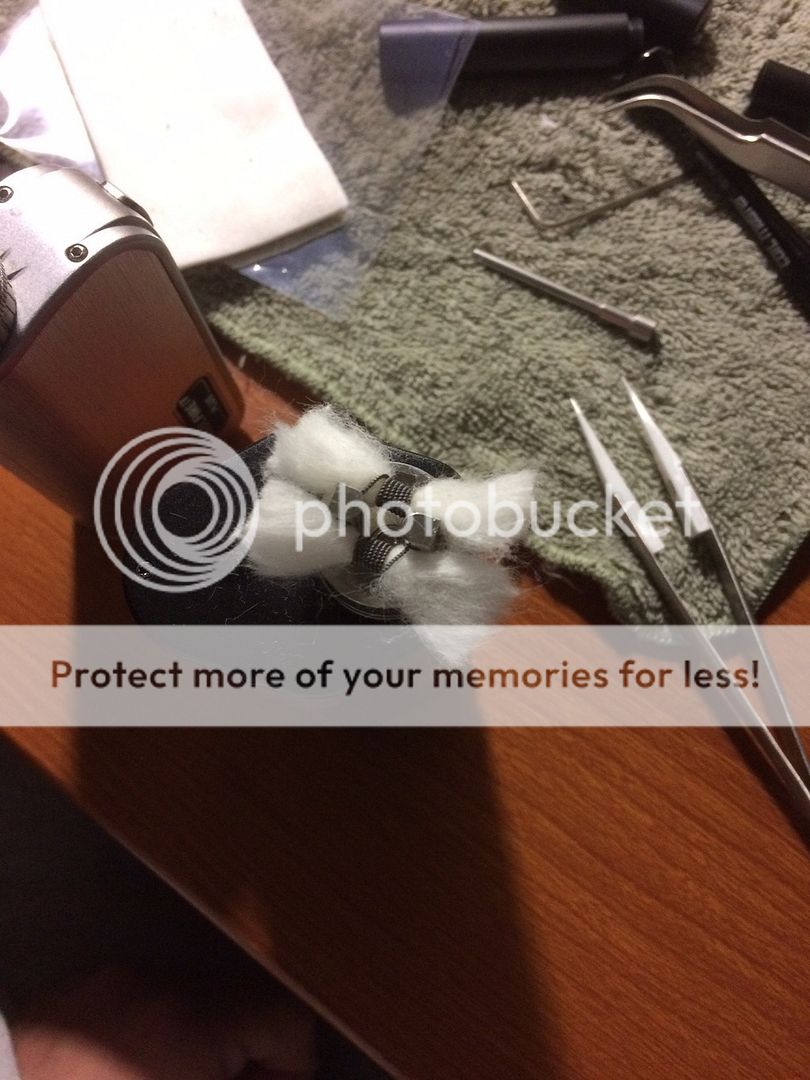
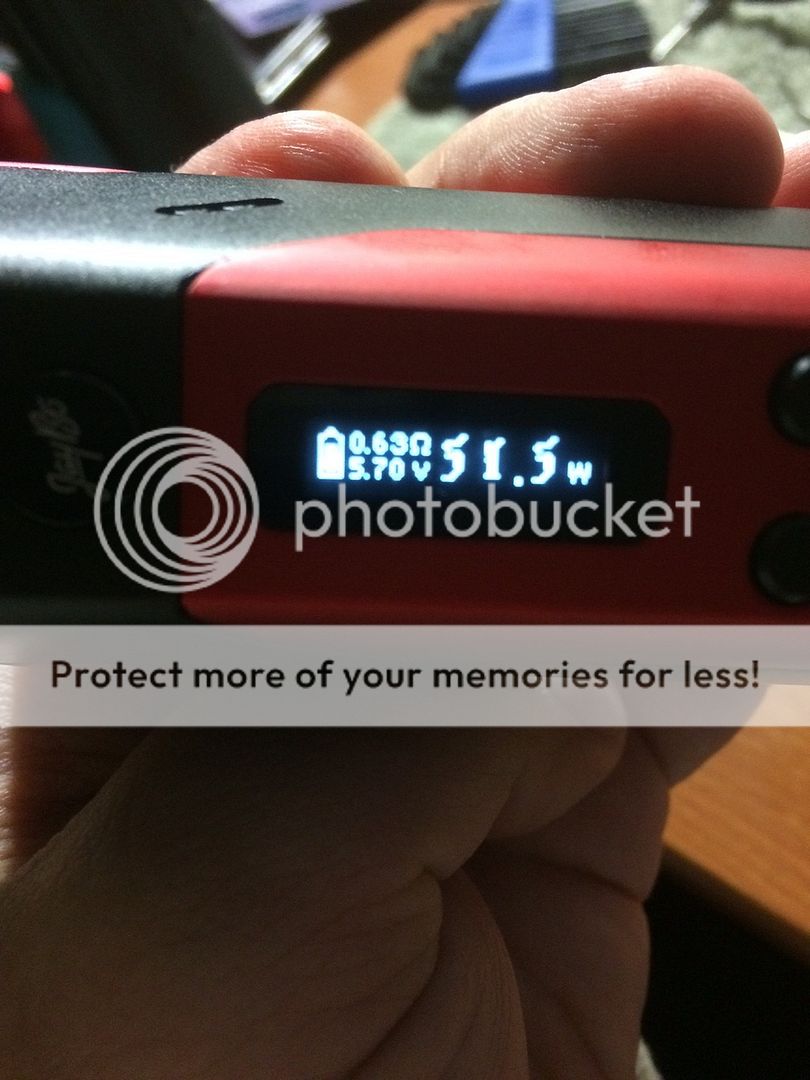
Yea I know. I just meant like a very generic chart on single core Kanthal builds as something for us newer builders to go off. It would take forever to try and go thru every type of wire, cores, etc
To overly simplify it, you can use Steam-engine.org. Coil Building area, then slot it up as a "parallel/twisted" build with 0 pitch, it'll calculate for a parallel coil. The wrap of a clapton adds basically no resistance as almost all the current goes through the cores (Current like most things chooses the path of lease resistance).
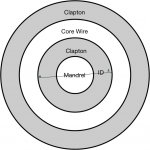
Check your dual/single coil option. The core wire gauge and all that jazz. Estimate your Inner Diameter as what you wrap around plus the diameter of the wrapping wire. Play with the desired Ohm setting until it has the wraps you're intending to use.
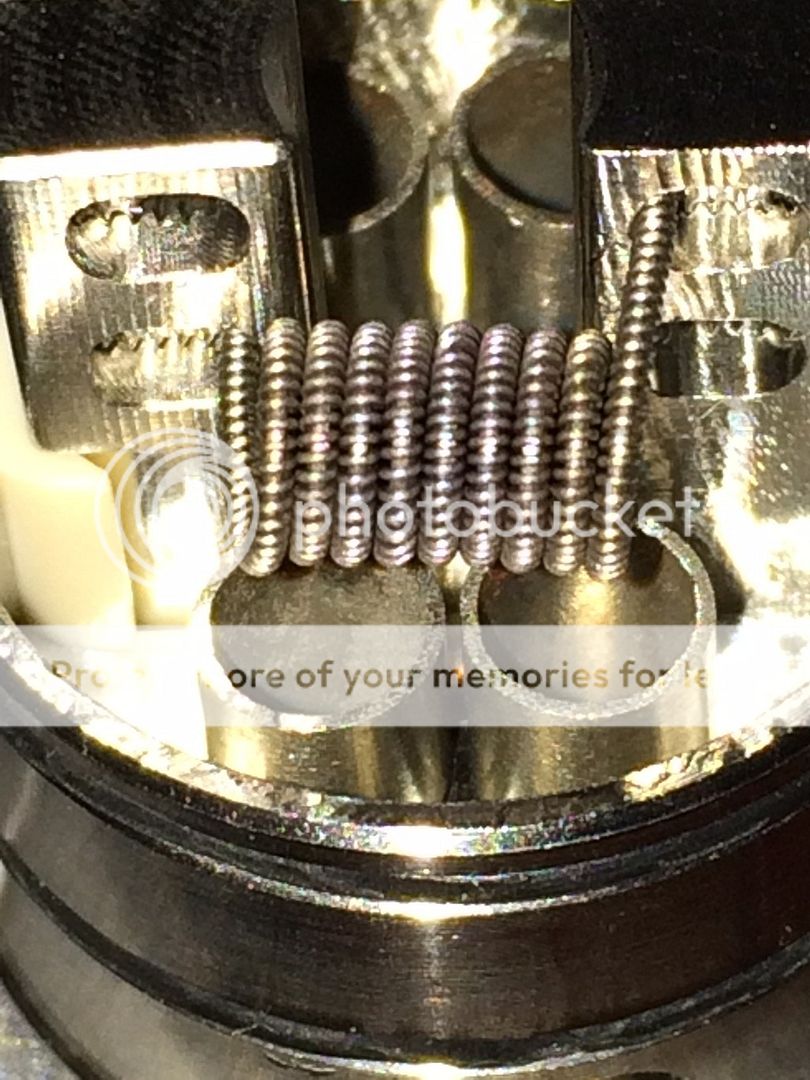
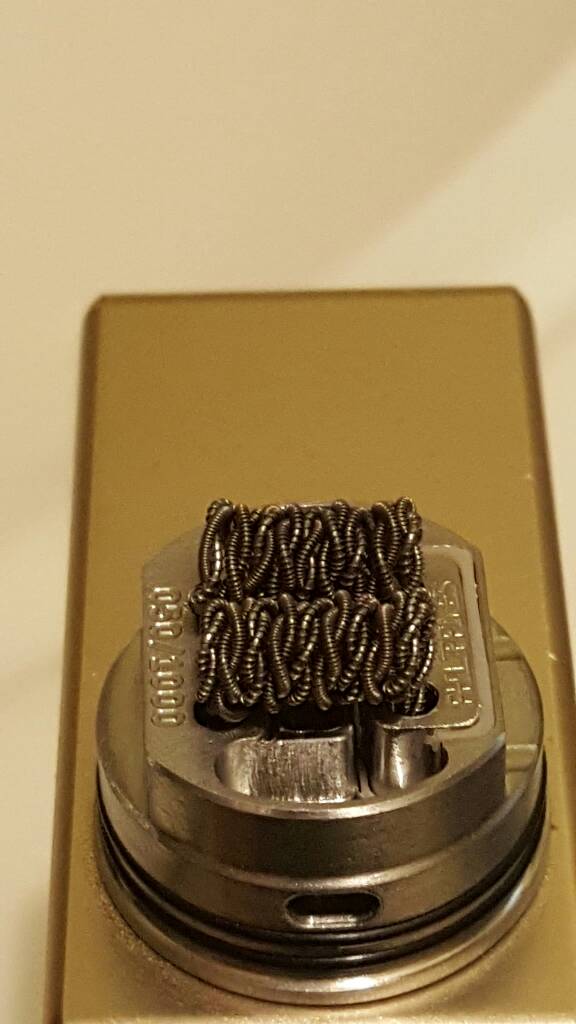
So say I want to do dual 24g KA1 cored claptons with a 2.5mm ID using 40g wraps. I'm going to use 6 wraps. So I set it up as Kanthal A1 set to twisted/parallel, jump down to the gauge setting and put it to 24g. Set to Dual coil, and take a guess at .15Ω to start. Hop back up to the next column and set the Inner Diameter, I'm wrapping on a 2.5mm rod, and 40g is .08mm so 2.58mm is what I use. Generally in dual coil horizontal setups I don't have that much leg length so I typically just don't bother with that, I'll push the coil till it's touching the posts tighten then pull to get any slack, and then reset it back in if the legs end up too long... so the default 5mm is something I just don't bother with, I'm just looking for an estimate anyways.
I do all that and it says 7 wraps, ok, so I know it's going to be lower than .15, so lets change that desired ohms to .12. Now it says 5.53 wraps and under it "rounded to full wraps 6, (0.26Ω)" That ohm reading is per individual coil, dual coil you cut that in half, so that'd be .13Ω at 6 full wraps, .12Ω at 5 and a halfish.
Again gives a good estimate but it's not exact. Gives you an idea of what different core options are going to do, and factoring in the clapton to the Inner Diameter gets it closer.
As for wattage, there's no distinct right answer, it's preference and a lot of factors outside the coil. But, I've always started my experimenting on these things this way for fused claptons(based on experience for my preferences): .4Ω coil start at 40w, .3Ω start at 50w, .2Ω start at 70w, .1Ω start at 90w. From there I usually go higher, but it's where I start it as I prime the wick and get it all set up to vape. I have a .68Ω coil running 40w, a .37Ω coil at 70w, a .48Ω at ~110w (mech so no absolute), a .13Ω coil at ~105w, and a .08Ω coil at 150w as my current setups I'm vaping. As you can see it's a pretty wide spread and you even have a lower ohm coil running at a lower wattage than a higher ohm coil, the wicking oh that .48Ω coil is simply way better than the one with the .37Ω coil. So on my regulated devices I have a generalized starting point but it doesn't really mean all that much. Vaping is physics, but sitting and doing the calculations is simply silly a lot of the time, experience will let you better guess, but in the end you're going to want to find the personal sweet spot for every device, and you'll never be able to do ALL the math to determine the exact right setup. That .08Ω coil can be vaped at 200w, but I don't like it. Likewise that .37Ω coil I wouldn't mind putting as much power as I put through the .48Ω coil into it, but the wicking can't keep up. So it's a bit of guess and check, just guess low and work your way up until you're happy, that's the best way to do it IMO.



 I also prefer kanthal because I have a source for kanthal D, which is similar in composition to A1 and no lower in quality/safety, but it's significantly cheaper for me to get the higher gauges I prefer as kanthal D in 1000ft+ quantities.


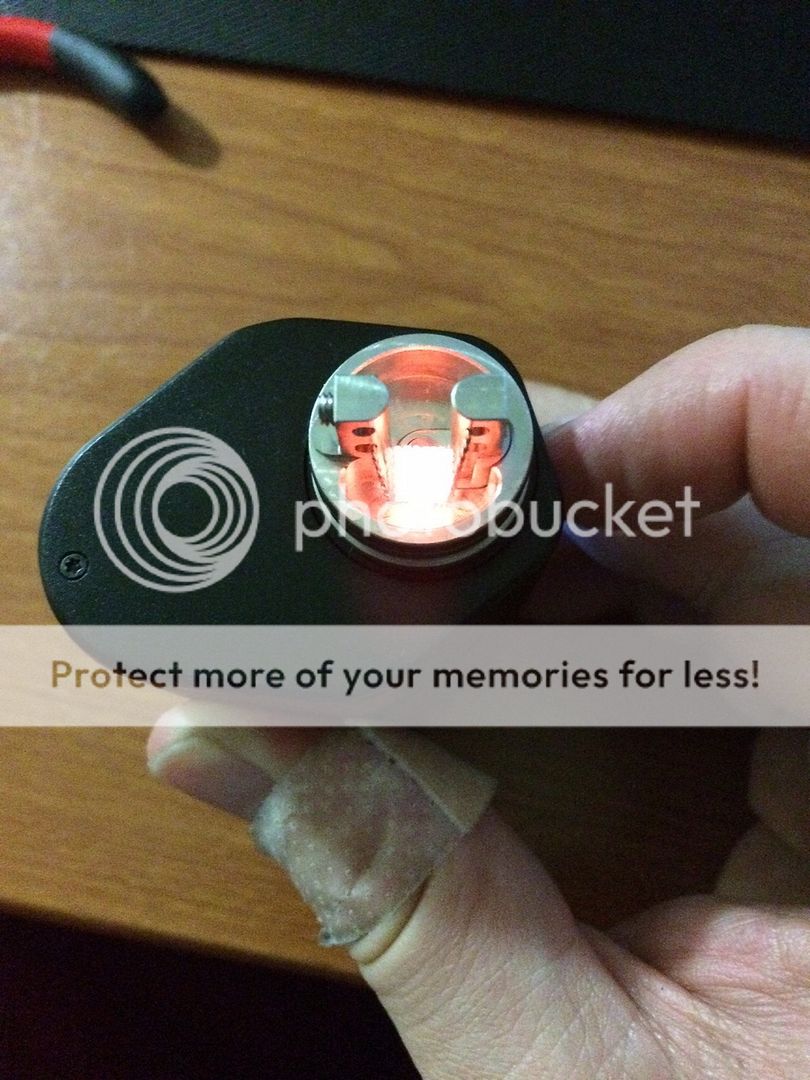

 (and can't be easy with a bandaid on, done a few like that and it's a pain both literally and figuratively!)