
Become a Patron!
You are using an out of date browser. It may not display this or other websites correctly.
You should upgrade or use an alternative browser.
You should upgrade or use an alternative browser.
How Concentrates are Mfg.
- Thread starter cass
- Start date


Important: The flavor of something is from a combination of chemicals. That flavor you experience isn't just from the taste of something. It's also from the smell and even the color. Multiple senses are involved.
That concept comes into play when flavor chemists (flavorists) do their magic. Some of that magic is trial and error or chemical analysis.
Natural flavorings are extracted from "real" things. Fruit, vegetables, roots, seeds, seafood, etc. There are multiple ways to pull the flavor out of something. Let's say through heat and/or enzymes and/or biochemical reactions. Sometimes that extraction doesn't require a lab. Example: Vanillin comes from vanilla beans, and you can extract it by letting it hang out in ethanol (booze) for a while. If you want a more concentrated flavor, you just "boil" off some of the ethanol.
Just because a flavoring is natural doesn't automatically mean it's safer. The natural extract of almonds has traces of cyanide in it. Also, the artificial flavorings can be cleaner/have less impurities, and have to go through more testing. (But really, is anything ever tested enough to be 100% safe? Nope.) Fake flavorings are cheaper. They don't require growing fields of food first. The massive problem is that artificial flavors can be quite inaccurate. Strawberry comes to mind.
Artificial flavorings are chemicals combined together to mimic a flavor you're familiar with. That means the lab people have to make sure the chemicals also produce the right smell (see above).
One random chemical is butyric acid. It's found in animal fats. It stinks. Creating it is a process of its own.
Butyric acid and butanol react together and create butyl butyrate. That smells like pineapple. Allyl hexanoate can be used in pineapple flavors, but can also be added to other flavorings, like peach.
So in one sentence...
Your flavors come from a lab and might be created with a complex recipe using ingredients you can't get at the grocery store.
Side notes:
1. Some artificial chemicals are considered safe to eat and are also used for vaping. And as you know, vaping is a big unknown.
2. Just because a chemical is natural doesn't mean it's safe to vape. There's a giant debate over the dangers of vaping natural oils.
3. People tend to hate on things they don't understand. They might assume something's not safe just because it has too many syllables. You have to know enough to realize when people are talking nonsense/uninformed/basing conclusions on partial info.
That concept comes into play when flavor chemists (flavorists) do their magic. Some of that magic is trial and error or chemical analysis.
Natural flavorings are extracted from "real" things. Fruit, vegetables, roots, seeds, seafood, etc. There are multiple ways to pull the flavor out of something. Let's say through heat and/or enzymes and/or biochemical reactions. Sometimes that extraction doesn't require a lab. Example: Vanillin comes from vanilla beans, and you can extract it by letting it hang out in ethanol (booze) for a while. If you want a more concentrated flavor, you just "boil" off some of the ethanol.
Just because a flavoring is natural doesn't automatically mean it's safer. The natural extract of almonds has traces of cyanide in it. Also, the artificial flavorings can be cleaner/have less impurities, and have to go through more testing. (But really, is anything ever tested enough to be 100% safe? Nope.) Fake flavorings are cheaper. They don't require growing fields of food first. The massive problem is that artificial flavors can be quite inaccurate. Strawberry comes to mind.
Artificial flavorings are chemicals combined together to mimic a flavor you're familiar with. That means the lab people have to make sure the chemicals also produce the right smell (see above).
One random chemical is butyric acid. It's found in animal fats. It stinks. Creating it is a process of its own.
Butyric acid and butanol react together and create butyl butyrate. That smells like pineapple. Allyl hexanoate can be used in pineapple flavors, but can also be added to other flavorings, like peach.
So in one sentence...
Your flavors come from a lab and might be created with a complex recipe using ingredients you can't get at the grocery store.
Side notes:
1. Some artificial chemicals are considered safe to eat and are also used for vaping. And as you know, vaping is a big unknown.
2. Just because a chemical is natural doesn't mean it's safe to vape. There's a giant debate over the dangers of vaping natural oils.
3. People tend to hate on things they don't understand. They might assume something's not safe just because it has too many syllables. You have to know enough to realize when people are talking nonsense/uninformed/basing conclusions on partial info.

The vast majority of flavorings are laboratory-creating NY building them from the molecular level. Yeah, not so simple.
The Perfumer's Apprentice provides a detailed list of the compounds they use. You might enjoy taking a look at it,
Please be aware that obsessing over the ingredients will not make you a happier person. Vaping in place of smoking will do so. Simple.
The Perfumer's Apprentice provides a detailed list of the compounds they use. You might enjoy taking a look at it,
Please be aware that obsessing over the ingredients will not make you a happier person. Vaping in place of smoking will do so. Simple.
I was thinking it was going to be more of a cheezit cracker commercial answer.
They take a marshmallow the size of Kentucky, mash it down, give it to Bertha or Bernard, they do some magic, and poof...a chemical equation pops out and you get marshmallow in liquid form.
Or in the case of FA flavors. Luigi and Mario'ette. Same concept though. I think the above answer was more accurate and professional. Just not meant for people like me who need picture pages.
They take a marshmallow the size of Kentucky, mash it down, give it to Bertha or Bernard, they do some magic, and poof...a chemical equation pops out and you get marshmallow in liquid form.
Or in the case of FA flavors. Luigi and Mario'ette. Same concept though. I think the above answer was more accurate and professional. Just not meant for people like me who need picture pages.

Better than I thought possible in a simple explanation...Important: The flavor of something is from a combination of chemicals. That flavor you experience isn't just from the taste of something. It's also from the smell and even the color. Multiple senses are involved.
That concept comes into play when flavor chemists (flavorists) do their magic. Some of that magic is trial and error or chemical analysis.
Natural flavorings are extracted from "real" things. Fruit, vegetables, roots, seeds, seafood, etc. There are multiple ways to pull the flavor out of something. Let's say through heat and/or enzymes and/or biochemical reactions. Sometimes that extraction doesn't require a lab. Example: Vanillin comes from vanilla beans, and you can extract it by letting it hang out in ethanol (booze) for a while. If you want a more concentrated flavor, you just "boil" off some of the ethanol.
Just because a flavoring is natural doesn't automatically mean it's safer. The natural extract of almonds has traces of cyanide in it. Also, the artificial flavorings can be cleaner/have less impurities, and have to go through more testing. (But really, is anything ever tested enough to be 100% safe? Nope.) Fake flavorings are cheaper. They don't require growing fields of food first. The massive problem is that artificial flavors can be quite inaccurate. Strawberry comes to mind.
Artificial flavorings are chemicals combined together to mimic a flavor you're familiar with. That means the lab people have to make sure the chemicals also produce the right smell (see above).
One random chemical is butyric acid. It's found in animal fats. It stinks. Creating it is a process of its own.
Butyric acid and butanol react together and create butyl butyrate. That smells like pineapple. Allyl hexanoate can be used in pineapple flavors, but can also be added to other flavorings, like peach.
So in one sentence...
Your flavors come from a lab and might be created with a complex recipe using ingredients you can't get at the grocery store.
Side notes:
1. Some artificial chemicals are considered safe to eat and are also used for vaping. And as you know, vaping is a big unknown.
2. Just because a chemical is natural doesn't mean it's safe to vape. There's a giant debate over the dangers of vaping natural oils.
3. People tend to hate on things they don't understand. They might assume something's not safe just because it has too many syllables. You have to know enough to realize when people are talking nonsense/uninformed/basing conclusions on partial info.
fat fingered flubs courtesy dumb mobile phone
Covering the "questions we never needed to ask anyway" track...One quick PSA... Strawberry Astroglide is tasty but doesn't produce much vapor.
fat fingered flubs courtesy dumb mobile phone
Strawberry Astroglide is tasty but doesn't produce much vapor.
Let me guess. You saw the ingredients and thought, "Hey, it's close enough."
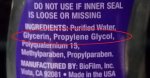
Let me guess. You saw the ingredients and thought, "Hey, it's close enough."
He was just sure you'd have some 'on hand' to check the ingredients.

A note on artificial flavoring, they can be made in two different ways:
1. Synthetic methods, like the post above mentions about using various things that happen to result in a similar scent/taste since they are close enough to trigger the same scent/taste receptors of the nose and mouth
2. Using a lab to recreate the same chemical concoction that is present in the food to give it it's taste/scent, yielding a far closer match to the natural counterpart. The real scent and taste of food is made up of naturally occurring chemicals in the product. A lab isolate these chemicals to see what they are and their ratios, then mass produces the extract based on that recipe using the same chemicals that present in the food but are produced in a lab.
(i don't know how accurate this is, it's just something I read a while back while looking up stuff online)
1. Synthetic methods, like the post above mentions about using various things that happen to result in a similar scent/taste since they are close enough to trigger the same scent/taste receptors of the nose and mouth
2. Using a lab to recreate the same chemical concoction that is present in the food to give it it's taste/scent, yielding a far closer match to the natural counterpart. The real scent and taste of food is made up of naturally occurring chemicals in the product. A lab isolate these chemicals to see what they are and their ratios, then mass produces the extract based on that recipe using the same chemicals that present in the food but are produced in a lab.
(i don't know how accurate this is, it's just something I read a while back while looking up stuff online)
Last edited:
A note on artificial flavoring, they can be made in two different ways:
1. Synthetic methods, like the post above mentions about using various things that happen to result in a similar scent/taste since they are close enough to trigger the same scent/taste receptors of the nose and mouth
2. Using a lab to recreate the same chemical concoction that is present in the food to give it it's taste/scent, yielding a far closer match to the natural counterpart. The real scent and taste of food is made up of naturally occurring chemicals in the product. A lab isolate these chemicals to see what they are and their ratios, then mass produces the extract based on that recipe using the same chemicals that present in the food but are produced in a lab.
Scenario one is quite a stretch. " ... using various things that happen to result in a similar scent/taste since they are close enough" just doesn't happen. This would be an apt description of a DIYer thinking he'll throw some flavorings together & make a wad of cash but for a flavoring company to toss together "various things" until the result is "close enough"? Never. Certainly some are better than others, but that ain't a result of Bubba's random guesses in his basement lab.
I considered joining a group of amateur chemists who are researching the construction of flavorings from the molecular level but it was prohibitively expensive and too complicated. My education is in business, not chemistry and am only a student in DIY but I could link you up if you'd be interested in learning how flavorings are actually constructed. Lemme know.
natural versus artificial sources: http://flavourart.hesk.com/knowledgebase.php?article=14
Ultimate resource for those who can justify the price: amazon.com/Fenarolis-Handbook-Flavor-Ingredients-Sixth/dp/1420090771
Ultimate resource for those who can justify the price: amazon.com/Fenarolis-Handbook-Flavor-Ingredients-Sixth/dp/1420090771