
Become a Patron!
You are using an out of date browser. It may not display this or other websites correctly.
You should upgrade or use an alternative browser.
You should upgrade or use an alternative browser.
A Spin Off of Keep a Word/Drop a Word and Music, Pics, and Whatnot
- Thread starter 2WhiteWolves
- Start date


SnapDragon NY
Senior Moderator
Staff member
Senior Moderator
VU Donator
Diamond Contributor
Press Corps
Member For 5 Years
VU SWAT
Never Know Why- Ozzy

gopher_byrd
Cranky Old Fart
VU Donator
Diamond Contributor
ECF Refugee
Member For 5 Years
VU Patreon


Side of the Road
- Blue Rodeo
- Blue Rodeo
gopher_byrd
Cranky Old Fart
VU Donator
Diamond Contributor
ECF Refugee
Member For 5 Years
VU Patreon
South Side of the Sky - Yes
SnapDragon NY
Senior Moderator
Staff member
Senior Moderator
VU Donator
Diamond Contributor
Press Corps
Member For 5 Years
VU SWAT
Southern Cross- Crosby,Stills, Nash
SnapDragon NY
Senior Moderator
Staff member
Senior Moderator
VU Donator
Diamond Contributor
Press Corps
Member For 5 Years
VU SWAT


The Crosses
-Juliette Greco (1927-2020)
Born in 1927, peace was never to come in Juliette's childhood. This is what war does:
My God, there are so many crosses on this earth
Iron crosses, wooden crosses, humble familiar crosses
Small silver crosses hanging on chests
Old crosses from convents lost among the ruins
And I, poor me, have my cross in my head
An immense leaden cross as vast as love
I hang the wind on it, I hold back the storm
I prolong the evening on it and hide the day
And I, poor me, have my cross in my head
A word is engraved on it that looks like “suffer”
But this familiar word that my lips repeat
Is so heavy to bear that I think I will die
My God, there are so many on the deep roads
Silent crosses watching over the world
Tall crosses of forgiveness raised toward the gallows
Crosses of madness or deliverance
-Juliette Greco (1927-2020)
Born in 1927, peace was never to come in Juliette's childhood. This is what war does:
My God, there are so many crosses on this earth
Iron crosses, wooden crosses, humble familiar crosses
Small silver crosses hanging on chests
Old crosses from convents lost among the ruins
And I, poor me, have my cross in my head
An immense leaden cross as vast as love
I hang the wind on it, I hold back the storm
I prolong the evening on it and hide the day
And I, poor me, have my cross in my head
A word is engraved on it that looks like “suffer”
But this familiar word that my lips repeat
Is so heavy to bear that I think I will die
My God, there are so many on the deep roads
Silent crosses watching over the world
Tall crosses of forgiveness raised toward the gallows
Crosses of madness or deliverance
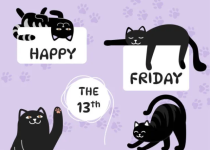
Hate to admit it but I have too, when I was young hung with a group that all camped in the winter and the rule was No tents but you learn what to do pretty quickly or you go home. Honestly it was a blast, we usedta build a campfire and cook over it, it was fun, but I'm weird
Was that a survival training group, boy scouts, or just friends wanting to toughen up?
SnapDragon NY
Senior Moderator
Staff member
Senior Moderator
VU Donator
Diamond Contributor
Press Corps
Member For 5 Years
VU SWAT
The Old Rugged Cross- Alan Jackson
SnapDragon NY
Senior Moderator
Staff member
Senior Moderator
VU Donator
Diamond Contributor
Press Corps
Member For 5 Years
VU SWAT
Cross country skiing
-Daniel Colin feat. Claire Elziere
-Daniel Colin feat. Claire Elziere
SnapDragon NY
Senior Moderator
Staff member
Senior Moderator
VU Donator
Diamond Contributor
Press Corps
Member For 5 Years
VU SWAT
Thank God I'm A Country Boy- John Denver
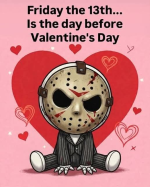
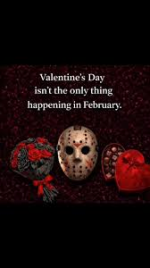
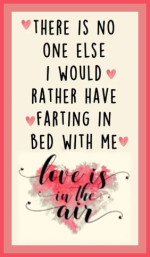
A fun fresh freaky Friday Valentine's Eve card:
The dragon and the little boy
-Elise Caron
-Elise Caron
SnapDragon NY
Senior Moderator
Staff member
Senior Moderator
VU Donator
Diamond Contributor
Press Corps
Member For 5 Years
VU SWAT
Dragon Attack- Queen
Sneak attack
-Sneaky Pete Kleinow
-Sneaky Pete Kleinow
SnapDragon NY
Senior Moderator
Staff member
Senior Moderator
VU Donator
Diamond Contributor
Press Corps
Member For 5 Years
VU SWAT
Sheer Heart Attack- Queen
Air Attack
- Malice
- Malice
gopher_byrd
Cranky Old Fart
VU Donator
Diamond Contributor
ECF Refugee
Member For 5 Years
VU Patreon
Air Dance - Black Sabbath

Let's Dance...by David Bowie
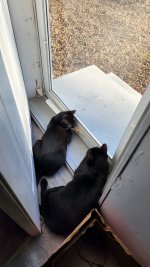
It isn't weird, you're not weird, it was a good adventure a good story to tell. If you hadn't done it, no story to tell us.Hate to admit it but I have too, when I was young hung with a group that all camped in the winter and the rule was No tents but you learn what to do pretty quickly or you go home. Honestly it was a blast, we usedta build a campfire and cook over it, it was fun, but I'm weird
Like this....and yes, this one is embarrassing.
Was with friends at a deep river with barely any water in it, really rocky. A rope was hanging from a tree, so when it had water in it could swing on it and splash into the river.
I decided to give a try, it was autumn with a chill in the air. I grabbed the rope, swung, and didn't make it the other side. My hands were slipping, and yes, slipped off the rope. This is were my guardian angel step in once again, and laid me down between all the rocks. I really should have hit my head on one big rock and cracked my skull open. But, nope, was gently laid down with no bruises, no scratches, and no cracked skull. Just my pride damaged.
gopher_byrd
Cranky Old Fart
VU Donator
Diamond Contributor
ECF Refugee
Member For 5 Years
VU Patreon
Lets Spend The Night Together - The Rolling Stones


The executives leaned back in their leather chairs, certain they'd won the argument.
"Six minutes? Gordon, radio stations won't play it. Songs need to be three minutes. Maybe three and a half if you're The Beatles."
It was 1976, and Gordon Lightfoot had just played them his new track. A haunting ballad about the SS Edmund Fitzgerald, the freighter that disappeared into Lake Superior's black waters one November night in 1975. Twenty-nine men swallowed by the lake in minutes.
The song was six minutes and thirty-one seconds. His label had concerns. The length was risky.
Lightfoot held firm: "No."
Not maybe. Not let me think about it. Just no.
"Those men deserve the whole story," he said quietly. "Every verse stays."
By 1976, Lightfoot had enough clout to push back. But a six-minute single was still commercial suicide.
He wouldn't budge.
The label released it untouched, probably expecting it to sink without a trace. Instead, something strange happened. Radio stations played the entire six-minute track. Listeners sat in parking lots with their engines running, waiting for the final note.
The song climbed to number two on Billboard. It became more than a hit. It became how an entire generation remembered those twenty-nine men.
But this wasn't Lightfoot's first act of quiet rebellion. He'd been doing things his own way since the 1960s, writing spare, honest songs about weather and loneliness while everyone else chased psychedelic trends. He never moved to Nashville or LA. Stayed in Canada, writing about truck drivers and fishermen.
Then in 2002, his heart literally exploded. An aortic aneurysm put him in a coma for six weeks. Doctors prepared his family for the worst.
He woke up. Recovered. Started touring again at age sixty-six, voice raspier but still carrying every ounce of truth.
Lightfoot kept performing until he was eighty-four. Died in May 2023, having proven that integrity outlasts trends, and that some stories are worth every single minute.
gopher_byrd
Cranky Old Fart
VU Donator
Diamond Contributor
ECF Refugee
Member For 5 Years
VU Patreon
Lets Spend The Night Together - The Rolling Stones
Happy Together - The TurtlesLets spend the night together
February 13th - Born on this day Wingy Manone (1900), Les Hite (1903), Tennessee Ernie Ford (1919), Boudleaux Bryant (1920), Wardell Gray (1921), Buck Hill (1927), Jim Reynolds – Jim and Jesse (1927), Bill Szymczyk - producer (1943), Peter Tork - The Monkees (1942), Roy Dyke - Ashton Gardner & Dyke (1945), King Floyd (1945), Peter Gabriel (1950), Roger Christian - The Christians (1950), Rod Deas - Showaddywaddy (1948), David Naughton (1951), Judy Cheeks (1954), Peter Hook - Joy Division / New Order (1956), Tony Butler – Big Country (1957), Mark Fox - Haircut 100 (1958), Henry Rollins - Rollins Band (1961), Freedom Williams - C&C Music Factory (1966), Sonia (1971), Todd Harrell - 3 Doors Down (1972), Robbie Williams (1974), Leslie Feist (1976), Aston Merrygold - JLS (1988)
__________________
Chart News
1961 Lawrence Welk at No.1 on the US singles chart with 'Calcutta'
1965 Petula Clark at No.1 in Australia with ‘Downtown’
1971 The Osmonds at No.1 on the US singles chart with 'One Bad Apple'
1977 Julie Covington at No.1 on the UK singles chart with 'Don't Cry For Me Argentina'
1984 Pat Benatar at No.1 in Australia with ‘Love Is a Battlefield’
1993 2 Unlimited at No.1 on the UK chart with 'No Limit'
1993 The Cult at No.1 on the UK album chart with 'Pure Cult'
1999 Monica at No.1 on the US singles chart with 'Angel Of Mine'
2000 Oasis at No.1 on the UK chart 'Go Let It Out'.
2002 Jennifer Lopez at No.1 on the US album chart with 'Jo To Tha L-o! The Remixes'
2005 Keane at No.1 for the fourth time on the UK album chart with 'Hopes and Fears'
2005 U2 at No .1 on the UK singles chart with 'Sometimes You Can't Make It On Your Own'
2016 Justin Bieber at No.1 on the US Billboard Hot 100 chart with 'Love Yourself'
2020 The Weeknd at No.1 in the UK chart with 'Blinding Lights'
2021 Olivia Rodrigo at No.1 in the US chart with 'Drivers License'
__________________
Gig News
1965 The Rolling Stones played at the Capital Theatre in Perth. Also appearing on the tour was Roy Orbison, The Newbeats and Ray Columbus and the Invaders.
1971 The Jackson Five, Diana Ross and the Supremes and Mungo Jerry appeared at the Grand Theater, Gary, Indiana
1972 The Greasy Truckers Party, Hawkwind, Man and Brinsley Schwarz appeared at The Roundhouse, London, England.
1976 The 101'ers featuring Joe Strummer played at The Town Hall, Hampstead, London, and on the same night DP Costello, (Elvis Costello) played at The Half Moon, Putney, London
1997 Kiss played at the Rod Laver Arena in Melbourne, Australia.
__________________
Music News
1982 The Jam became the first band since The Beatles to play two numbers on the same edition of 'Top of The Pops' performing 'A Town Called Malice', and 'Precious'
1996 Take That announced they were splitting up
2002 Waylon Jennings died
2015 John McCabe died
__________________
Chart News
1961 Lawrence Welk at No.1 on the US singles chart with 'Calcutta'
1965 Petula Clark at No.1 in Australia with ‘Downtown’
1971 The Osmonds at No.1 on the US singles chart with 'One Bad Apple'
1977 Julie Covington at No.1 on the UK singles chart with 'Don't Cry For Me Argentina'
1984 Pat Benatar at No.1 in Australia with ‘Love Is a Battlefield’
1993 2 Unlimited at No.1 on the UK chart with 'No Limit'
1993 The Cult at No.1 on the UK album chart with 'Pure Cult'
1999 Monica at No.1 on the US singles chart with 'Angel Of Mine'
2000 Oasis at No.1 on the UK chart 'Go Let It Out'.
2002 Jennifer Lopez at No.1 on the US album chart with 'Jo To Tha L-o! The Remixes'
2005 Keane at No.1 for the fourth time on the UK album chart with 'Hopes and Fears'
2005 U2 at No .1 on the UK singles chart with 'Sometimes You Can't Make It On Your Own'
2016 Justin Bieber at No.1 on the US Billboard Hot 100 chart with 'Love Yourself'
2020 The Weeknd at No.1 in the UK chart with 'Blinding Lights'
2021 Olivia Rodrigo at No.1 in the US chart with 'Drivers License'
__________________
Gig News
1965 The Rolling Stones played at the Capital Theatre in Perth. Also appearing on the tour was Roy Orbison, The Newbeats and Ray Columbus and the Invaders.
1971 The Jackson Five, Diana Ross and the Supremes and Mungo Jerry appeared at the Grand Theater, Gary, Indiana
1972 The Greasy Truckers Party, Hawkwind, Man and Brinsley Schwarz appeared at The Roundhouse, London, England.
1976 The 101'ers featuring Joe Strummer played at The Town Hall, Hampstead, London, and on the same night DP Costello, (Elvis Costello) played at The Half Moon, Putney, London
1997 Kiss played at the Rod Laver Arena in Melbourne, Australia.
__________________
Music News
1982 The Jam became the first band since The Beatles to play two numbers on the same edition of 'Top of The Pops' performing 'A Town Called Malice', and 'Precious'
1996 Take That announced they were splitting up
2002 Waylon Jennings died
2015 John McCabe died
The Closer I Get To You
- Roberta Flack
- Roberta Flack
Finally closing
-Andre Emler
-Andre Emler
SnapDragon NY
Senior Moderator
Staff member
Senior Moderator
VU Donator
Diamond Contributor
Press Corps
Member For 5 Years
VU SWAT
Finally Friday- George Jones
SnapDragon NY
Senior Moderator
Staff member
Senior Moderator
VU Donator
Diamond Contributor
Press Corps
Member For 5 Years
VU SWAT
Friday I'm In Love- The Cure
SnapDragon NY
Senior Moderator
Staff member
Senior Moderator
VU Donator
Diamond Contributor
Press Corps
Member For 5 Years
VU SWAT
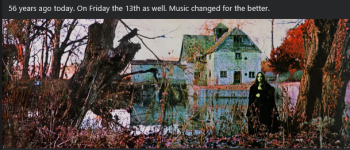
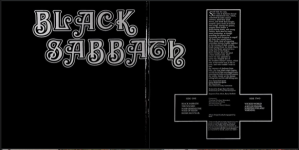
Friday the 13th
-Hot Club of San Francisco
-Hot Club of San Francisco
The Thirteens
-Maya Angelou
-Maya Angelou
Gotta go guys. Hope to see you tomorrow.
XO
BD
XO
BD
SnapDragon NY
Senior Moderator
Staff member
Senior Moderator
VU Donator
Diamond Contributor
Press Corps
Member For 5 Years
VU SWAT
The 13th Warrior- Viking Prayer