
Become a Patron!
You are using an out of date browser. It may not display this or other websites correctly.
You should upgrade or use an alternative browser.
You should upgrade or use an alternative browser.
Jimi's Daily Health Articles
- Thread starter Jimi
- Start date


|
|

|
A new study has once again indicated that lower blood levels of vitamin D, specifically 25(OH)D3, is a major risk factor for early death.
This study, along with others, further establishes the link. But is it just a matter of everyone supplementing with D3 to extend their lifespan? Of course not. It is much more complex than that.
Let me give you another famous blood marker, HDL-cholesterol. The “good” cholesterol is associated with a reduced risk of heart disease, cancer, and early death. The higher the number, generally greater than 60 mg/dl, the better. But it is not that simple…
Have you heard of the “Limone gene?” It is named after inhabitants of Limone sul Garda, a small village of 1,000 inhabitants in northern Italy between Milan and Venice. The Limonese live longer, do not have heart disease, and seemingly have discovered the “fountain of youth.”
Scientists have been studying these people for over 40 years trying to find their secret. They sought to understand if it was their diet, lifestyle, unique climate, social network, or some other factor. They were very perplexed because their HDL levels were extremely low, typically in the 7-15 mg/dl range versus the normal range of above 40 mg/dl and well below the higher optimal levels.
Well, it turns out they have a special form of HDL that contains a mutated protein known as Apolipoprotein A-1 Milano, that can be traced back to an altered gene from a Limonese couple who married in 1644.
While low HDL in most people carry a poor prognosis, in the Limonese, their form is so powerful in its protective effects it is associated with robust health and longevity.
O.K., what does this story of the Limone gene have to do with blood levels of vitamin D3 and mortality? I will get to that answer, but let me share the results of this recent study...
Researchers in Australia used a very complex approach in analyzing the relationship between 25(OH)D3 levels and mortality. They were able to look at people with very low vitamin D blood levels, less than 20 ng/ml (50 nmol/l) and determine mortality rates in over 36,000 participants.
The result was that the risk for mortality was 36% higher for participants with low levels of 25(OH)D3, i.e., less than 20 ng/ml. And those with the lowest levels of 25(OH)D3 were found to have a 6-fold increased risk for death due to heart disease, a 3-fold increased risk for cancer mortality, and an over 12-fold risk for dying from a respiratory condition.
These results are consistent with population-based studies. Now, let me provide some practical guidelines. First, the key with D3 is to supplement at a daily dosage that will produce a blood level of 50–80 ng/ml. And the only way to know what that dosage is exactly is through testing.
The recommendation from vitamin D3 experts from around the world is that for adults currently not taking vitamin D3 or those with 25(OH)D3 blood levels of less than 30 ng/ml should take 10,000 IU (250 mcg) daily for 2–3 weeks. After this loading dosage, adults should supplement at a dosage of 4,000-5,000 IU (100-125 mcg) daily. This dosage is universally regarded as safe.
O.K, now let me explain the link between the Limone gene and these vitamin D3 studies. If we simply looked at HDL levels in the Limonese, we would conclude that very low HDL levels were the key to a longer, healthier life.
And if we look at only 25(OH)D3 blood levels and longevity studies, we might be making a similar mistake. There are other factors to consider.
For example, I often get asked why do many people have low 25(OH)D3 blood levels despite adequate sun exposure or supplementation?
After vitamin D3 is produced in the skin or acquired from food or supplements, it is delivered to the liver to form 25(OH)D3. That is what is measured to reflect vitamin D status.
And what do we know about liver function and 25(OH)D3? The obvious! Poor liver function leads to low levels of 25(OH)D3.
Liver issues, including the common liver issue that occurs in people who have type 2 diabetes and/or obesity (non-alcoholic fatty liver or NAFLD), can lead to lower blood levels of 25(OH)D3, even if the intake of vitamin D3 is sufficient. The reason is because of impaired conversion of D3 by the liver to 25(OH)D3.
Given the epidemic of obesity and type 2 diabetes in many parts of the world, it is little wonder that blood levels of 25(OH)D3 are low and carry with it an increased risk of early death.
Interestingly, vitamin D3 supplementation has been shown to greatly improve NAFLD, which leads to a chicken or the egg question, i.e., does NAFLD develop due to low 25(OH)D3 levels?
Here is the bottom line to all the above. Our health is a complex system of interdependent and interrelated factors. We certainly need to have optimal levels of 25(OH)D3, but it is only one star in the constellation of health.
In good health,

Dr. Michael Murray
This study, along with others, further establishes the link. But is it just a matter of everyone supplementing with D3 to extend their lifespan? Of course not. It is much more complex than that.
Let me give you another famous blood marker, HDL-cholesterol. The “good” cholesterol is associated with a reduced risk of heart disease, cancer, and early death. The higher the number, generally greater than 60 mg/dl, the better. But it is not that simple…
Have you heard of the “Limone gene?” It is named after inhabitants of Limone sul Garda, a small village of 1,000 inhabitants in northern Italy between Milan and Venice. The Limonese live longer, do not have heart disease, and seemingly have discovered the “fountain of youth.”
Scientists have been studying these people for over 40 years trying to find their secret. They sought to understand if it was their diet, lifestyle, unique climate, social network, or some other factor. They were very perplexed because their HDL levels were extremely low, typically in the 7-15 mg/dl range versus the normal range of above 40 mg/dl and well below the higher optimal levels.
Well, it turns out they have a special form of HDL that contains a mutated protein known as Apolipoprotein A-1 Milano, that can be traced back to an altered gene from a Limonese couple who married in 1644.
While low HDL in most people carry a poor prognosis, in the Limonese, their form is so powerful in its protective effects it is associated with robust health and longevity.
O.K., what does this story of the Limone gene have to do with blood levels of vitamin D3 and mortality? I will get to that answer, but let me share the results of this recent study...
Researchers in Australia used a very complex approach in analyzing the relationship between 25(OH)D3 levels and mortality. They were able to look at people with very low vitamin D blood levels, less than 20 ng/ml (50 nmol/l) and determine mortality rates in over 36,000 participants.
The result was that the risk for mortality was 36% higher for participants with low levels of 25(OH)D3, i.e., less than 20 ng/ml. And those with the lowest levels of 25(OH)D3 were found to have a 6-fold increased risk for death due to heart disease, a 3-fold increased risk for cancer mortality, and an over 12-fold risk for dying from a respiratory condition.
These results are consistent with population-based studies. Now, let me provide some practical guidelines. First, the key with D3 is to supplement at a daily dosage that will produce a blood level of 50–80 ng/ml. And the only way to know what that dosage is exactly is through testing.
The recommendation from vitamin D3 experts from around the world is that for adults currently not taking vitamin D3 or those with 25(OH)D3 blood levels of less than 30 ng/ml should take 10,000 IU (250 mcg) daily for 2–3 weeks. After this loading dosage, adults should supplement at a dosage of 4,000-5,000 IU (100-125 mcg) daily. This dosage is universally regarded as safe.
O.K, now let me explain the link between the Limone gene and these vitamin D3 studies. If we simply looked at HDL levels in the Limonese, we would conclude that very low HDL levels were the key to a longer, healthier life.
And if we look at only 25(OH)D3 blood levels and longevity studies, we might be making a similar mistake. There are other factors to consider.
For example, I often get asked why do many people have low 25(OH)D3 blood levels despite adequate sun exposure or supplementation?
After vitamin D3 is produced in the skin or acquired from food or supplements, it is delivered to the liver to form 25(OH)D3. That is what is measured to reflect vitamin D status.
And what do we know about liver function and 25(OH)D3? The obvious! Poor liver function leads to low levels of 25(OH)D3.
Liver issues, including the common liver issue that occurs in people who have type 2 diabetes and/or obesity (non-alcoholic fatty liver or NAFLD), can lead to lower blood levels of 25(OH)D3, even if the intake of vitamin D3 is sufficient. The reason is because of impaired conversion of D3 by the liver to 25(OH)D3.
Given the epidemic of obesity and type 2 diabetes in many parts of the world, it is little wonder that blood levels of 25(OH)D3 are low and carry with it an increased risk of early death.
Interestingly, vitamin D3 supplementation has been shown to greatly improve NAFLD, which leads to a chicken or the egg question, i.e., does NAFLD develop due to low 25(OH)D3 levels?
Here is the bottom line to all the above. Our health is a complex system of interdependent and interrelated factors. We certainly need to have optimal levels of 25(OH)D3, but it is only one star in the constellation of health.
In good health,
Dr. Michael Murray
The Health Risks of Alcohol and How to Protect Liver Function

Чим ми ризикуємо, вживаючи алкоголь, та як захистити печінку
Вживання алкоголю корелює зі значними токсичними ураженнями мозку, печінки, травної системи, серця, кровоносних судин, імунної системи тощо.
| ||
|

|

It's Thursday, October 27, 2022... and that means it's the 1-year anniversary of my dad's passing.
My family and I went to his mass this morning, so that's why this email is coming to you later than usual.
This message isn't meant to be a downer. It's meant to be a lesson that I learned by watching my dad...
Take care of yourself.
Take care of your mind, your body, your health & energy. PLEASE.
And it's not "hard."
All the energy you and I will ever need – to walk, breathe, heal – already exists inside of us.
Our bodies have control systems that measure and use this energy as needed, like a self-regulating battery.
And just like a battery, you need proper maintenance to maintain your full capacity.
When your energy systems are fully operational, you can efficiently function.
But as your batteries deteriorate, too often you ignore them until you're feeling sick, run down, annoying pain, or exhausted regularly.
So please, learn how to reset your body’s internal battery and restore your health and energy.
My dad had this capacity inside of him, too. But, unfortunately he didn't reset or recharge his battery often enough.
I don't want that to happen to you or your family, and sometimes you just need a little help along the way.
Here's a helpful guide to Restore Your Energy...
And, of course, Be Your Own Guarantee for your health and life.
- Dr. Ryan
P.S. Think of this guide as a user’s manual for your body’s energy control mechanisms. You can restore your health and vitality without depending on drugs, doctors, or getting sucked into big Pharma’s marketing machine.
My family and I went to his mass this morning, so that's why this email is coming to you later than usual.
This message isn't meant to be a downer. It's meant to be a lesson that I learned by watching my dad...
Take care of yourself.
Take care of your mind, your body, your health & energy. PLEASE.
And it's not "hard."
All the energy you and I will ever need – to walk, breathe, heal – already exists inside of us.
Our bodies have control systems that measure and use this energy as needed, like a self-regulating battery.
And just like a battery, you need proper maintenance to maintain your full capacity.
When your energy systems are fully operational, you can efficiently function.
But as your batteries deteriorate, too often you ignore them until you're feeling sick, run down, annoying pain, or exhausted regularly.
So please, learn how to reset your body’s internal battery and restore your health and energy.
My dad had this capacity inside of him, too. But, unfortunately he didn't reset or recharge his battery often enough.
I don't want that to happen to you or your family, and sometimes you just need a little help along the way.
Here's a helpful guide to Restore Your Energy...
And, of course, Be Your Own Guarantee for your health and life.
- Dr. Ryan
P.S. Think of this guide as a user’s manual for your body’s energy control mechanisms. You can restore your health and vitality without depending on drugs, doctors, or getting sucked into big Pharma’s marketing machine.
|
Balancing Hormones with Pomegranate (and How to Remove the Seeds)
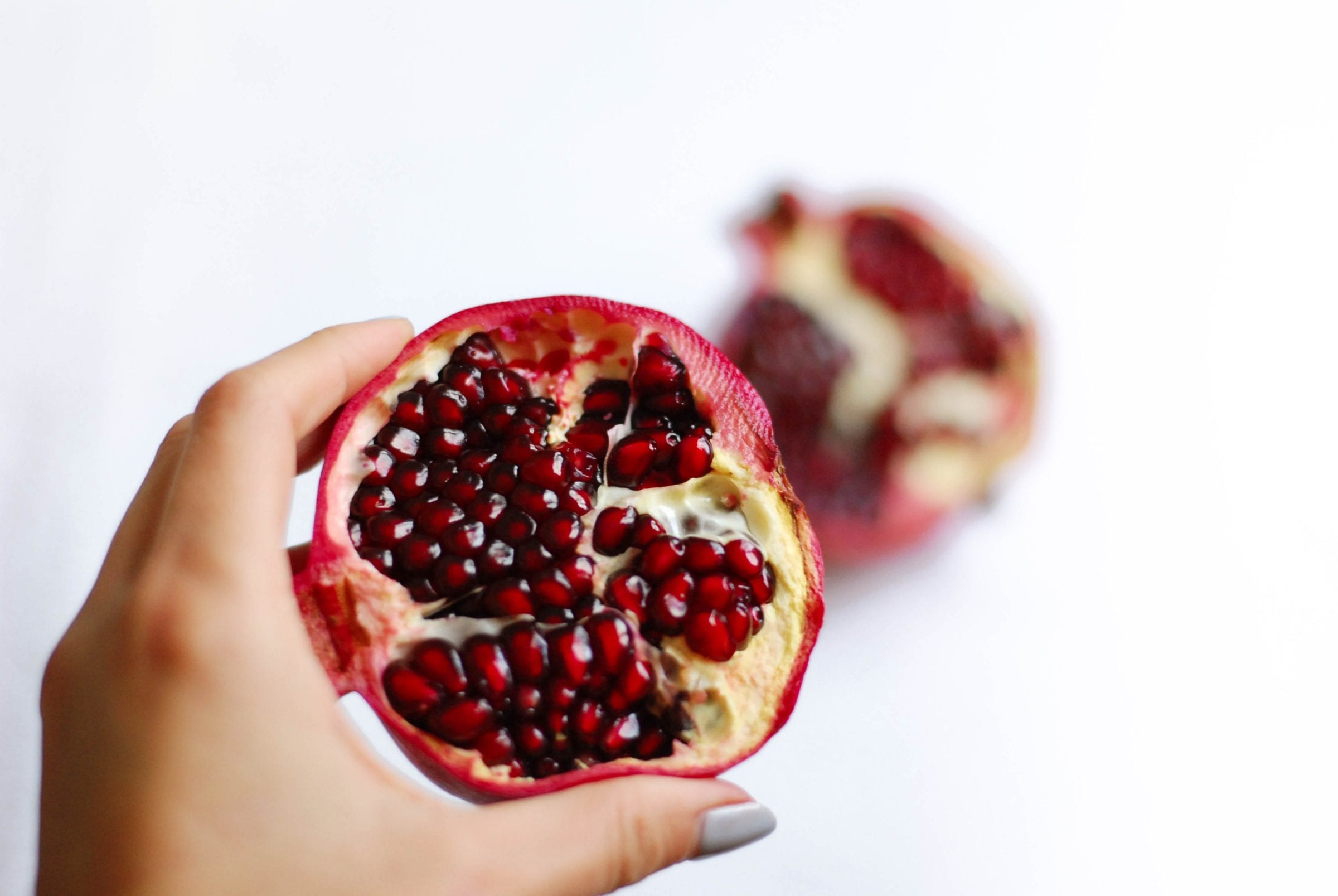
How to Balance Your Hormones with Pomegranates
How (and why) you should eat pomegranates
 hormonesbalance.com
| |||
| |||
| |||
|

Today on The HighWire! |

|
EPISODE 291: DEADLY PROTOCOLS |
TODAY! America’s favorite truth-telling funnyman J.P. Sears joins us to talk about his new special Please Censor This! But first, ICAN has laid down the gauntlet for any state that wishes to mandatet a Covid shot in schools. Del has the details. Then, a new bombshell revelation related to ICAN’s V-Safe data disclosure from the CDC that you’re not gonna want to miss! Also, JP Sears joins Del and takes over The HighWire studio! Have we been infiltrated by the Mainstream?! Find out! Then, ICAN conducted a national poll that may reveal the secret to any politician getting elected to office next month. We’re going to tell you just what we found. Also, is the UK moving toward full tyranny? One new study from Oxford covers a concerning topic you’re going to need to hear about. Finally, Del welcomes Sarah Mitchie, RN, BSN, C-EFM, and Stacy Ograyensek, who spouses were tragically forced to endure hospital Covid protocols that changed their lives forever. Do not miss this! It all happens TODAY, 11AM Pacific Time, 2pm Eastern, at The HighWire! |
Dr. Chauncey Crandall, M.D., writes:
A half-hour of morning exercise can help control blood pressure in overweight and obese people for the entire day, one study finds. And for women in particular, adding frequent short breaks from sitting throughout the day can offer additional benefit, the Australian researchers said.
Special: Heart Surgeon's Secret to Healthy Blood Pressure
The research involved 67 people between the ages of 55 and 80 who did three different laboratory sessions, in random order, separated by at least six days. Those sessions included: uninterrupted sitting for eight hours; one hour of sitting prior to 30 minutes of walking on a treadmill at a moderate pace, followed by 6.5 hours of prolonged sitting; and one hour of sitting prior to 30 minutes on the treadmill, followed by sitting that was interrupted every 30 minutes with three minutes of light-intensity walking for 6.5 hours.
Average systolic (top number) and diastolic (lower number) blood pressure was reduced among both men and women who took part in morning exercise, compared to when they did not exercise.
And there was an additional benefit — a significant reduction in average systolic blood pressure — among women when they combined morning exercise with breaks from sitting throughout the day.
A half-hour of morning exercise can help control blood pressure in overweight and obese people for the entire day, one study finds. And for women in particular, adding frequent short breaks from sitting throughout the day can offer additional benefit, the Australian researchers said.
Special: Heart Surgeon's Secret to Healthy Blood Pressure
The research involved 67 people between the ages of 55 and 80 who did three different laboratory sessions, in random order, separated by at least six days. Those sessions included: uninterrupted sitting for eight hours; one hour of sitting prior to 30 minutes of walking on a treadmill at a moderate pace, followed by 6.5 hours of prolonged sitting; and one hour of sitting prior to 30 minutes on the treadmill, followed by sitting that was interrupted every 30 minutes with three minutes of light-intensity walking for 6.5 hours.
Average systolic (top number) and diastolic (lower number) blood pressure was reduced among both men and women who took part in morning exercise, compared to when they did not exercise.
And there was an additional benefit — a significant reduction in average systolic blood pressure — among women when they combined morning exercise with breaks from sitting throughout the day.
| The HEAL Podcast YouTube Episode: Dr. Jeffrey Rediger |

|
| We hope you have been enjoying watching the full episodes of The HEAL Podcast on our YouTube channel! This week's release: Curing the Incurable: The Science of Spontaneous Healing with Dr. Jeffrey Rediger Dr. Jeffrey Rediger is a Harvard trained psychiatrist with a Masters in Divinity from Princeton. Fascinated by the phenomenon of spontaneous healing, he has been studying radical remissions of many different types of supposedly incurable diseases through the lens of science and skepticism for 20 years. The result of his work is documented in his book, Cured: The Science of Spontaneous Healing. Kelly and Dr. Rediger talk about the limits of the medical establishment, the shortcomings of medical education, the hope of possibility, and how it is imperative for the false self to die in order for one to transform the incurable. A passionate, intelligent, and loving human, Dr. Rediger shares his own gradual awakening from the indoctrination of Western Medicine to not only improve his own health, but to align with his purpose of creating a new paradigm in health and medicine for future generations. Stay tuned for more full video episode releases on YouTube in the weeks to come. You can also listen to this episode and all other episodes of The HEAL Podcast now on both SPOTIFY or APPLE. |
| Don't Miss Out on Dr. Sue Morter's FREE 3-Day Remote Healing Online Challenge! |

|
| Awaken and explore your natural HEALing abilities! I am excited to share that Dr. Sue Morter is holding a Live Online Training — The Energy Codes Remote Healing: Transmission & Techniques. Dr. Sue is a Master of Bioenergetic Medicine, one of the experts in our Hay House HEAL Summit, and the author of the bestselling book, THE ENERGY CODES: The 7-Step System to Awaken Your Spirit, Heal Your Body and Live Your Best Life. Join Dr. Sue Morter as she connects to share powerful techniques that activate untapped energy and neurocircuitry in the body for the purpose of self-healing and supporting others during this time. Whether you want to heal yourself or others physically, mentally, emotionally, or spiritually. You can heal every aspect of what it means to be human and transform it into well-being … and watch the extraordinary unfold. In this training you’ll:
This is your chance to join Dr. Sue for her Online Training: The Energy Codes Remote Healing: Transmission & Techniques. With this amazing offer you are also invited to join Dr. Sue for her FREE GLOBAL HEALING CELEBRATION LIVE Q&A Event, November 7, 2022. Anyone can do this. Including you! Join FREE today! |
| HEAL Producer Adam Schomer Has A New Documentary - Here's Your Chance To Get Involved |

|
| We are excited to share that HEAL producer ADAM SCHOMER, has quite an amazing documentary in production. He invites you to check out the Sneak Peak Trailer, giving you a view into a 40 year hidden family secret. We think the trailer is incredible and so engaging. In addition to the trailer, you’ll have the opportunity to support in the Kickstarter campaign, and you’ll connect with this story of Mental Health and the journey of rewriting the traumatic legacy of one’s family. Documentary Synopsis: A hidden comic collection of over 300,000 books was kept a family secret for 40 years. Darren’s father Dale was an obsessive genius. His obsession — the comic collection — was fueled by his Asperger’s (ASD), and it progressively overtook the home, put strain on his marriage, and it continues to bruise his family, even after his passing. Darren is now left with the collection, which includes the prized possession of his father: SUPERMAN #1 (7.0). Valued at over $3.5 million, it is one of the most valuable comic books of all time. Follow the journey as he contemplates selling his father’s prized possession, picking up the pieces of his childhood and rewriting a family legacy. Will he discover the heroic power we all have inside - that of choosing what we assign value to? |
CDC director Walensky is INFECTED with covid, after taking FIVE covid “vaccines” that obviously don’t work

CDC director Walensky is INFECTED with covid, after taking FIVE covid "vaccines" that obviously don't work
Centers for Disease Control (CDC) Director Rochelle Walensky went into isolation on Friday, October 21 due to a positive reading on her latest covid-19 PCR test. CDC senior staff are now tracking down Walensky’s closest contacts and taking the “appropriate action” to monitor her status. Walensky
TOTAL RECALL: Will FDA recall mRNA vaccines now that millions are injured and dead, or does that logic only apply to contaminated food?

TOTAL RECALL: Will FDA recall mRNA vaccines now that millions are injured and dead, or does that logic only apply to contaminated food?
Pfizer-Gate is well under way in America, and rather than recalling all the mRNA "vaccines" that are injuring and killing hundreds of millions of Americans, the FDA and CDC are pushing for every child to get the deadly jabs instead. No recalls. No apologies. There should be a total recall
Are Seed Oils Really That Bad For You?

 www.brighteon.com
Are Seed Oils Really That Bad For You?
Seed oils have been associated with inflammation, heart disease, and more but should you really ban ALL seed oils from your life? Let's break down the "seed oil bad" hysteria.Get the highly versatile and prep worthy Health Ranger lab-verified coconut oil, here: https://bit.ly/3DywavxGet my...
|


| ||
|

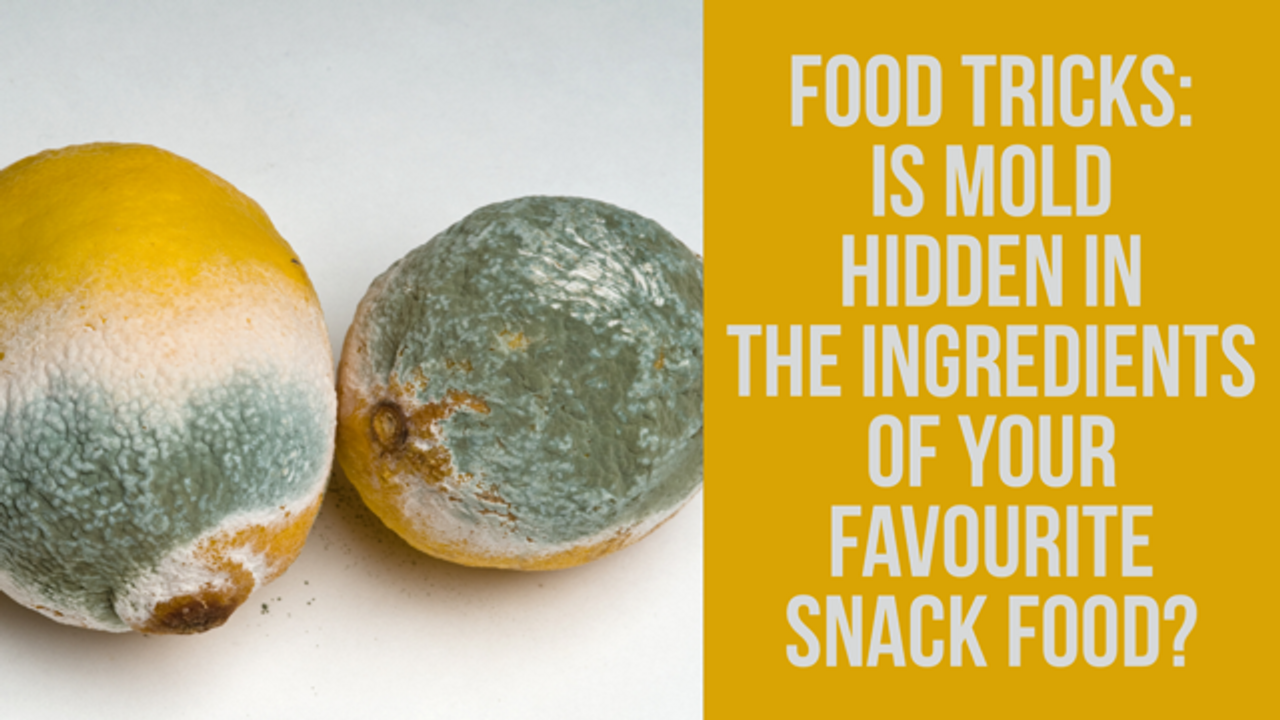
Food Tricks: Is Mold Hidden in the Ingredients of Your Favourite Food?
 www.brighteon.com
Food Tricks: Is Mold Hidden in the Ingredients of Your Favourite Food?
Heal autoimmune and digestive issues in the THRIVE Academy: https://healingthebody.ca/thrive-academy/
Pfizer to raise COVID vaccine prices by as much as 400% as demand for booster shots collapses
Pfizer to raise COVID vaccine prices by as much as 400% as demand for booster shots collapses - LifeSite
The news comes as Americans continue to lose interest in perpetual COVID jabs amid the drugs’ failing efficacy, inability to stop transmission, and questionable safety.
 www.lifesitenews.com
| ||||||||
|


| ||
|

| ||
|

|
|


|
| Join our exclusive webinar on November 1st at 3 PM ET with Dr. Nir Barzilai, the founder of the Institute for Aging Research at the Albert Einstein College of Medicine. We'll discuss the topics covered in his book, Age Later—including healthspan and longevity—and answer any questions you may have. Whether you’ve read Age Later or not, you won’t want to miss this. Because by the end of the discussion, you’ll know how to turn back the clock on aging. |

|
| In this episode of Longevity by Design, our host, Dr. Gil Blander, is joined by Dr. Evelyne Bischof to discuss the practical tools for using longevity medicine and how it differs from traditional methods of care. Tune in as Dr. Bischof shares interesting and exciting information about the growing field of longevity medicine. |

|
| Advancements in Western medicine and technology have extended the average American lifespan, but a longer lifespan doesn't always translate to an increase in healthy years. In fact, your chronological age may not accurately represent your body's biological, or your InnerAge, at all Read more to discover 9 changes you can make to your routine now to help you live healthier longer. |
How to Avoid Plastics in Tea Bags
By Dr. Oz and Dr. Roizen, MDs
In 1902, two Milwaukee women applied for a patent for a one-cup, mesh “tea-leaf holder.” Four years later, a U.S. tea importer began to send out samples in silk bags instead of tins. People plopped the whole thing into their teapot and loved the easy-brewing technique.
Those two events are credited with popularizing the tea bag.
Special: Everyone Who Believes in God Should Watch
Today, Americans consume 3.8 billion tons of tea annually. But news about the menace of the modern tea bag has got a lot of people bagging their favorite beverage.
Well, there's no need — if you have the facts.
Plastic has become a common component of tea bags. Tea-loving researchers from McGill University tested bags by removing the tea and then putting them in 203 F water for five minutes.
It turns out that a single bag released more than 11 billion microplastic and 3 billion nanoplastic particles into the hot liquid.
Studies have found that more than 90% of micro- and nanoplastics leave the body through excretion, but the effect of the remaining 1 billion-plus plastic particles and chemicals per tea bag isn't clear.
So what should you do?
By Dr. Oz and Dr. Roizen, MDs
In 1902, two Milwaukee women applied for a patent for a one-cup, mesh “tea-leaf holder.” Four years later, a U.S. tea importer began to send out samples in silk bags instead of tins. People plopped the whole thing into their teapot and loved the easy-brewing technique.
Those two events are credited with popularizing the tea bag.
Special: Everyone Who Believes in God Should Watch
Today, Americans consume 3.8 billion tons of tea annually. But news about the menace of the modern tea bag has got a lot of people bagging their favorite beverage.
Well, there's no need — if you have the facts.
Plastic has become a common component of tea bags. Tea-loving researchers from McGill University tested bags by removing the tea and then putting them in 203 F water for five minutes.
It turns out that a single bag released more than 11 billion microplastic and 3 billion nanoplastic particles into the hot liquid.
Studies have found that more than 90% of micro- and nanoplastics leave the body through excretion, but the effect of the remaining 1 billion-plus plastic particles and chemicals per tea bag isn't clear.
So what should you do?
- Brew loose tea in unbleached paper or metal tea bombs.
- Buy teas from companies whose websites say they use only hemp and/or other biodegradable materials in their bags (there are many).
- Cold brew your tea bag (heat extracts more plastic particles), remove it, and then heat it up before drinking.

Friday
October-28-2022Conserve your mental energy for what is actually important.
Become aware of what really brings you a sense of fulfillment in life. Say no to the things that do align with your values.
Stay away from useless drama. You don't have to do exactly what other people are doing.
Comparison, rumination, and anxious anticipation deplete your mental energy and keep you from fully engaging in activities that improve your life.
Protect your attention. Your energy is extremely valuable. Be more selective with where you spend your energy.
|
|

|
Hi ,
Carrying extra weight isn’t just a physical problem.
It’s something that strains your emotions.
It’s something that challenges your self image.
And it’s often the root cause of expensive and exhausting health challenges.
But do you want to know something important?
Weight gain probably isn’t your fault.
One of the biggest lies the health and fitness industry has ever told is that weight loss is just about willpower.
They tell you that if you’re not losing weight, you simply don’t have enough willpower to succeed.
And they’ve left millions of people to feel like they’re doomed to fail.
Groundbreaking new scientific evidence shows that weight loss has nothing to do with willpower, and instead has everything to do with what’s on your plate.
That’s why my friends and New York Times bestselling authors Cyrus Khambtta, PhD and Robby Barbaro, MPH are hosting the 2022 Blood Sugar Revolution summit.
They’re offering you a free eBook that details exactly why these myths about weight loss simply aren’t true.
And they’ll break down how you can lose weight permanently starting today.
>> Click here to download a free eBook about how to lose weight permanently using your food as medicine
And as a free gift to you, when you download the eBook, you’ll also get access to the 2022 Blood Sugar Revolution Summit for free.
It’s an online event unlike any other, and is guaranteed to be a game-changing experience that can change your life immediately.
You’ll get access to the online summit that features 22 of the world’s foremost experts on how to reverse insulin resistance, lower your blood sugar, and lose weight for the rest of your life.
You deserve the truth, and you deserve the power to start changing your life now.
>> Click here to end fad dieting and yo-yo dieting for good and download your free eBook today
Yours in health,
Carrying extra weight isn’t just a physical problem.
It’s something that strains your emotions.
It’s something that challenges your self image.
And it’s often the root cause of expensive and exhausting health challenges.
But do you want to know something important?
Weight gain probably isn’t your fault.
One of the biggest lies the health and fitness industry has ever told is that weight loss is just about willpower.
They tell you that if you’re not losing weight, you simply don’t have enough willpower to succeed.
And they’ve left millions of people to feel like they’re doomed to fail.
Groundbreaking new scientific evidence shows that weight loss has nothing to do with willpower, and instead has everything to do with what’s on your plate.
That’s why my friends and New York Times bestselling authors Cyrus Khambtta, PhD and Robby Barbaro, MPH are hosting the 2022 Blood Sugar Revolution summit.
They’re offering you a free eBook that details exactly why these myths about weight loss simply aren’t true.
And they’ll break down how you can lose weight permanently starting today.
>> Click here to download a free eBook about how to lose weight permanently using your food as medicine
And as a free gift to you, when you download the eBook, you’ll also get access to the 2022 Blood Sugar Revolution Summit for free.
It’s an online event unlike any other, and is guaranteed to be a game-changing experience that can change your life immediately.
You’ll get access to the online summit that features 22 of the world’s foremost experts on how to reverse insulin resistance, lower your blood sugar, and lose weight for the rest of your life.
You deserve the truth, and you deserve the power to start changing your life now.
>> Click here to end fad dieting and yo-yo dieting for good and download your free eBook today
Yours in health,
Happy Friday, my fellow healthy living seeker.
Holy cow do I have a special treat for you!
Remember how I host a live, virtual BYOG Party every month?
It's a virtual get-together where I cover a specific healthy living practice and increase the likelihood that you live a long pain-free, drug-less, healthy life.
Anyway, I'm doing something different and I asked a friend to help me out.
Here's how we're partying, BYOG-style, and why.
There’s a specific group of toxins in your food and home that studies show:
Drains your energy...
Lowers your IQ…
Increases your risk of developing memory problems and other neurological disorders as you age…
AND greatly reduces your active longevity.
They’re called heavy metals, and they're a HUGE underlying cause of some of the top health problems people face today.
Believe it or not, toxic metals are everywhere and the government is doing virtually nothing about it.
This is why I'm hosting my next BYOG Party all about "How to Protect Yourself from Toxic Metals."
And, I asked my good friend Dr. Wendy Myers (a detox expert) to help me host it!!
So on Thursday November 3rd at 7pm ET we'll share how to find out your levels and start detoxing.
That's next week already because why wait, right?!?
At the Heavy Metal BYOG Party, you'll learn:
Again, the BYOG Party will be held live Thursday November 3rd at 7pm ET. (And before you ask, YES there will be a replay.)
But you have to register in advance to get the live and/or replay link.
Register here and let's rock out (and detox!) at the Heavy Metal BYOG Party!
And, of course, Be Your Own Guarantee for your health and life.
- Dr. Ryan
P.S. Just like with previous BYOG Parties, there's no charge to attend live or get the replay. Register now so we can send you the link and a reminder before the party... and learn how to avoid this huge threat to your brain, energy, and longevity.
Holy cow do I have a special treat for you!
Remember how I host a live, virtual BYOG Party every month?
It's a virtual get-together where I cover a specific healthy living practice and increase the likelihood that you live a long pain-free, drug-less, healthy life.
Anyway, I'm doing something different and I asked a friend to help me out.
Here's how we're partying, BYOG-style, and why.
There’s a specific group of toxins in your food and home that studies show:
Drains your energy...
Lowers your IQ…
Increases your risk of developing memory problems and other neurological disorders as you age…
AND greatly reduces your active longevity.
They’re called heavy metals, and they're a HUGE underlying cause of some of the top health problems people face today.
Believe it or not, toxic metals are everywhere and the government is doing virtually nothing about it.
This is why I'm hosting my next BYOG Party all about "How to Protect Yourself from Toxic Metals."
And, I asked my good friend Dr. Wendy Myers (a detox expert) to help me host it!!
So on Thursday November 3rd at 7pm ET we'll share how to find out your levels and start detoxing.
That's next week already because why wait, right?!?
At the Heavy Metal BYOG Party, you'll learn:
- Disturbing research that shows the direct connection between toxic metals and cognitive decline
- How you can improve your focus, memory, and mental clarity by avoiding and detoxing from heavy metals
- Why anyone struggling with low energy, fatigue, pain, or brain fog should get tested for heavy metals immediately
- How these toxins will ruin your quality of life more and more as you age
- The surprising list of foods and everyday items that expose you to toxic metals
- The most accurate at-home test to determine whether you have toxic levels of these metals in your body
Again, the BYOG Party will be held live Thursday November 3rd at 7pm ET. (And before you ask, YES there will be a replay.)
But you have to register in advance to get the live and/or replay link.
Register here and let's rock out (and detox!) at the Heavy Metal BYOG Party!
And, of course, Be Your Own Guarantee for your health and life.
- Dr. Ryan
P.S. Just like with previous BYOG Parties, there's no charge to attend live or get the replay. Register now so we can send you the link and a reminder before the party... and learn how to avoid this huge threat to your brain, energy, and longevity.
|
|
|

|
|

|
Collagen-Rich Foods for Healthy Joints, and Skin
In this blog post we're talking about one of the most healthy substances you can include in your diet: Collagen! Frankly, most people get most of their protein from muscle meats. That’s a problem because they’re not getting the knuckles, the bones, and the cartilage, as we would from old-fashioned soups. These are the parts that provide more collagen, which is crucial for our joints, cartilaginous tissue and ligamentous tissue. Learn more in the blog!
>> Click here to check out the article! <<
In this blog post we're talking about one of the most healthy substances you can include in your diet: Collagen! Frankly, most people get most of their protein from muscle meats. That’s a problem because they’re not getting the knuckles, the bones, and the cartilage, as we would from old-fashioned soups. These are the parts that provide more collagen, which is crucial for our joints, cartilaginous tissue and ligamentous tissue. Learn more in the blog!
>> Click here to check out the article! <<
|


|
Hi Jimi, This time of year, you may notice a sniffle coming on or a constant scratchy throat. With the change of weather, lack of Vitamin D, and unwelcome germs roaming around, it's time to start boosting your immune system! |
Featured Blogs |
Natural Ways to Boost Your Immune SystemIn the human body, the immune system is how the body remains healthy by fighting off bacteria and viruses that can cause serious illnesses or infections... Read The Blog |

|
5 Innovative Ways to Incorporate Winter Squash in the KitchenWe always love recommending eating seasonally, especially when local produce is in abundance! This is the perfect time to try out some new winter squash recipes... Read The Blog |

|


Doctor claims GRAPHENE sheds from vaccinated to unvaccinated resulting in destroyed blood cells, clots

Doctor claims GRAPHENE sheds from vaccinated to unvaccinated resulting in destroyed blood cells, clots
Could it be that Wuhan coronavirus (Covid-19) "vaccines" are shedding graphene and who knows what else onto the unvaccinated, destroying their bodies in a similar way to the "fully vaccinated?" According to Dr. Philippe van Welbergen, this is exactly what is happening. Welberg
DJ goes public with horrors of covid vaccine damage… excruciating days of pain and suffering

DJ goes public with horrors of covid vaccine damage... excruciating days of pain and suffering
An Australian composer, songwriter, sound designer and disc jockey (DJ) who is internationally renowned for his work is speaking out about how his life has been ruined by Wuhan coronavirus (Covid-19) "vaccination." Tyson Illingworth, who recently wrote a guest post for Dr. Robert Malone
Millions of American citizens illegally targeted with secret “covid decree violation” scores during scamdemic

Millions of American citizens illegally targeted with secret "covid decree violation" scores during scamdemic
It is being alleged that a secret data harvesting program was launched at the start of the Wuhan coronavirus (Covid-19) plandemic by Democrats to target "covid concerned" Republicans for a reprogramming of their voting habits. Someone put together a global positioning system (GPS) track
GENE EDITING
Gene Editing - Institute for Responsible Technology
 responsibletechnology.org
|


|
|
|

|
|
Are You A Lark or an Owl? How Genetics Influence Sleep.

Are You A Lark or an Owl? How Genetics Influence Sleep.
There is a growing body of evidence that suggests that genetics plays a role in sleep. There are also genes associated with sleep disorders.
 drritamarie.com
Hi Jimi, The time to change the clocks is almost upon us! But did you know: Researchers have found that after the fall time change (one extra hour of sleep), national rates of heart attacks go down by as much as 21%? In the days after spring Daylight Savings (one less hour of sleep), heart attacks tend to go up by 24%! This shows how important even one hour of sleep can be for our health! If you’re ready to supercharge your sleep (and receive all the benefits that come with improved sleep!) and you missed your initial chance to participate in the Sleep Super Conference, you’ll be happy to know they are offering a FREE replay this weekend only! >> Reserve your free seat here You’ll discover the latest research on sleep as it relates to:
 Don’t sleep on this chance. Put your clocks to good use and tune in to the 2022 Sleep Super Conference this weekend! Don’t sleep on this chance. Put your clocks to good use and tune in to the 2022 Sleep Super Conference this weekend!To your health, |
| ||
|
