
Become a Patron!
You are using an out of date browser. It may not display this or other websites correctly.
You should upgrade or use an alternative browser.
You should upgrade or use an alternative browser.
Jimi's Daily Health Articles
- Thread starter Jimi
- Start date


Simple dietary shift delivers protection antidepressants can’t match
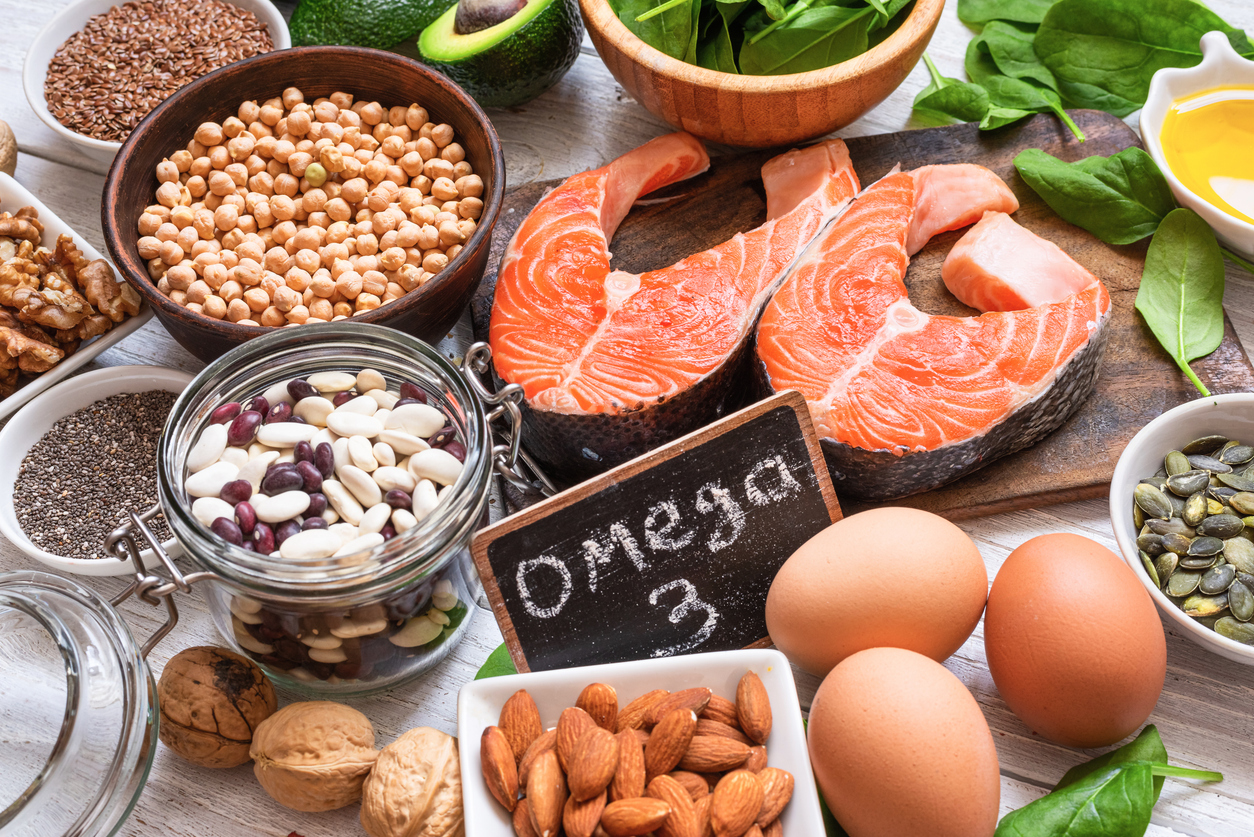
Omega-3 Fatty Acids Reduce Depression Risk | NaturalHealth365
(NaturalHealth365) Massive UK study of 258,000 adults reveals higher omega-3 blood levels cut depression risk up to 33%
 www.naturalhealth365.com
Let’s Resolve to Keep it Simple in 2026, Shall We?
The only New Year’s Resolution that we recommend you make is to keep it simple since simplicity supports sustainable success. Today let’s focus on simplifying matters for you with a single “takeaway” per element of our Integrative Roadmap.
- Diet: Reduce inflammation by reducing your intake of simple carbs, diary, and gluten. And stay hydrated.
- Exercise: Improve your immune system function with a mix of cardio and resistance training.
- Nutraceutical Support: Select the condition-specific, all-in-one Regimen Kit that fits you: Active Surveillance, Post-treatment, or ADT. If you want additional support, add XYVGGR or AHCC.
- Stress Reduction: Before you get upset about something, ask yourself if you will even remember the issue in two weeks’ time. If not, let it go.
- Sleep: Knowing that restorative sleep is critical to improving immune system function, act accordingly. No more excuses.
- Sexual Health: Your quality-of-life matters, so do not neglect this, particularly knowing what a legend you were.
|

- DIY Pain Relief Massage Blend with Essential Oils – Learn which essential oils help ease muscle tension, joint discomfort, and inflammation. This soothing massage blend offers a natural alternative to chemical pain relievers.
- Top 9 Juniper Essential Oil Benefits – Juniper helps cleanse the skin, calm inflammation, and support emotional balance with its fresh, woodsy scent. It’s a gentle oil often used for detox, grounding, and seasonal wellness.
- Bible Verses About Charity and Giving – These Scriptures highlight generosity, compassion, and God’s heart for serving others. A beautiful reminder to give joyfully and purposefully during the holiday season.
- Gluten-Free Apple Pie Recipe + Christmas Cookie 'Sugar' Blend – Enjoy a warm apple pie made with clean ingredients, natural sweeteners, and a gluten-free crust. It’s a delicious, allergy-friendly dessert for holiday gatherings. Brand new from Mama Z!
| ||
|

|
Skip Sweet Treats to Avoid Holiday Blues |
| Consuming too many sugar-laden treats during the holiday season has been linked to various metabolic, inflammatory and biological processes associated with depression. |

|
Top Five Healthiest Holiday Foods |
| You don't have to sabotage your health when you indulge in festive treats -- just focus on picks from this short-list of healthy (and delicious) holiday eats! |

|

| ||||
| ||||
|
| ||||

|
| ||||
| ||||
|
| ||||
 Supporting the body during colds & flu
 Easing digestion & nausea
 Relieving sore muscles when used topically
Big Alt-Med: The Shadow Projection of a Dwindling Pharma Empire
How the wellness economy outgrew pharma, why censorship failed, and what comes next for health sovereignty.
Sayer Ji and Global Wellness Forum
Big Alt-Med: The Shadow Projection of a Dwindling Pharma Empire
How the wellness economy outgrew pharma, why censorship failed, and what comes next for health sovereignty.
 sayerji.substack.com
|
When you conjure up a mental image of Santa Claus, what do you see? I’d imagine yours resembles mine: a long-bearded, red-robed man flying through the night sky, on a sled towed by a team of magical reindeer. With plenty of devoted elven helpers running about, busily preparing for the annual Christmas Eve deliveries.
This cultural tradition is so embedded in us that the winter and Saint Nick are almost inseparable. The North Pole legend and all the symbolism surrounding it has become such a foundational principle of our seasonal reality that we’ve almost ceased questioning its origins.
Well, in the spirit of sacred curiosity we did a little digging through the archaeological record to find out exactly where and when the “Red One” stepped into our collective reality. This seemingly innocent exercise quickly blew up into a journey across cultures, continents, and millennia. I hope you enjoy the ride!
A quick disclaimer that the findings below are just a theory derived from an abundance of historical documentation we collected. If you believe Santa came from somewhere else, that is your God-given right and we respect that.
Ok, there are so many places to begin. A thousand doorways, you could say… wink, wink. (It’ll make sense later.) I guess the most obvious starting point is an exploration of Santa’s outfit.
The Hat
We’ve all worn the fluffy, floppy conical Christmas cap. Santa’s hat is an icon all by itself, bringing back images of childhood hopes and dreams, holiday parties of yesteryear, maybe even painful ghosts of Christmas past. The look and feel of this thing is so etched into our brain that it feels preordained, like it’s always been here waiting for us. But where does it come from?
The ancient Persian religion of Mithraism. More specifically the sun god Mithra, himself.
(I know - weird, right? Did I just ruin Christmas? I hope not, because we’re just getting warmed up.)
Ok, who is Mithra and how did his fashionable headgear end up on Santa’s head…
Click here to continue reading this on our blog
This cultural tradition is so embedded in us that the winter and Saint Nick are almost inseparable. The North Pole legend and all the symbolism surrounding it has become such a foundational principle of our seasonal reality that we’ve almost ceased questioning its origins.
Well, in the spirit of sacred curiosity we did a little digging through the archaeological record to find out exactly where and when the “Red One” stepped into our collective reality. This seemingly innocent exercise quickly blew up into a journey across cultures, continents, and millennia. I hope you enjoy the ride!
A quick disclaimer that the findings below are just a theory derived from an abundance of historical documentation we collected. If you believe Santa came from somewhere else, that is your God-given right and we respect that.
Ok, there are so many places to begin. A thousand doorways, you could say… wink, wink. (It’ll make sense later.) I guess the most obvious starting point is an exploration of Santa’s outfit.
The Hat
We’ve all worn the fluffy, floppy conical Christmas cap. Santa’s hat is an icon all by itself, bringing back images of childhood hopes and dreams, holiday parties of yesteryear, maybe even painful ghosts of Christmas past. The look and feel of this thing is so etched into our brain that it feels preordained, like it’s always been here waiting for us. But where does it come from?
The ancient Persian religion of Mithraism. More specifically the sun god Mithra, himself.
(I know - weird, right? Did I just ruin Christmas? I hope not, because we’re just getting warmed up.)
Ok, who is Mithra and how did his fashionable headgear end up on Santa’s head…
Click here to continue reading this on our blog
- DIY Essential Oil Diffuser Blends – Freshen your home with blends that support immunity, calm stress, boost energy, or create cozy seasonal aromas. These simple recipes make holiday scenting effortless and non-toxic.
- 5 Pine Essential Oil Benefits – With strong respiratory, antimicrobial, and immune-supportive properties, pine oil helps keep your home and body feeling clear and refreshed. It also promotes mental clarity and eases tension.
- Healthy Pumpkin Spice Latte Recipe – Enjoy a creamy PSL made with warm spices, natural sweeteners, and essential oils. It’s a cozy, holiday-friendly drink without the sugar crash.
- 23 Bible Verses About God’s Love for Us – These Scriptures offer comfort, reassurance, and a reminder of God’s unchanging love. A beautiful way to anchor your heart during Christmas week.
| ||
| ||
| ||
|

|
You brush.
You floss.
You try to take care of your teeth.
Yet gum irritation, sensitivity, or new dental issues still seem to appear.
That’s confusing because we’re taught oral health is all about what touches the teeth.
But oral health research has shown that teeth and gums don’t rely on cleaning alone.
They also depend on internal nutrient support delivered through the bloodstream to stay strong and resilient over time.
When that internal support is compromised, the mouth can weaken quietly from the inside out, even when hygiene habits are excellent.
That helps explain why two people with the same routines can have very different dental outcomes.
Not because they’re careless.
Not because they’re missing a habit.
But because something important is rarely talked about.
A short video explains this clearly, including:
Why brushing alone can’t protect teeth long-term.
What researchers have uncovered about internal support for oral health.
And why this changes how people think about dental care entirely.
If you’ve ever felt like something was missing from the dental conversation, this will connect the dots.
Click here to watch the video
You floss.
You try to take care of your teeth.
Yet gum irritation, sensitivity, or new dental issues still seem to appear.
That’s confusing because we’re taught oral health is all about what touches the teeth.
But oral health research has shown that teeth and gums don’t rely on cleaning alone.
They also depend on internal nutrient support delivered through the bloodstream to stay strong and resilient over time.
When that internal support is compromised, the mouth can weaken quietly from the inside out, even when hygiene habits are excellent.
That helps explain why two people with the same routines can have very different dental outcomes.
Not because they’re careless.
Not because they’re missing a habit.
But because something important is rarely talked about.
A short video explains this clearly, including:
Why brushing alone can’t protect teeth long-term.
What researchers have uncovered about internal support for oral health.
And why this changes how people think about dental care entirely.
If you’ve ever felt like something was missing from the dental conversation, this will connect the dots.
Click here to watch the video
The 15 Most Filling Healthy Foods
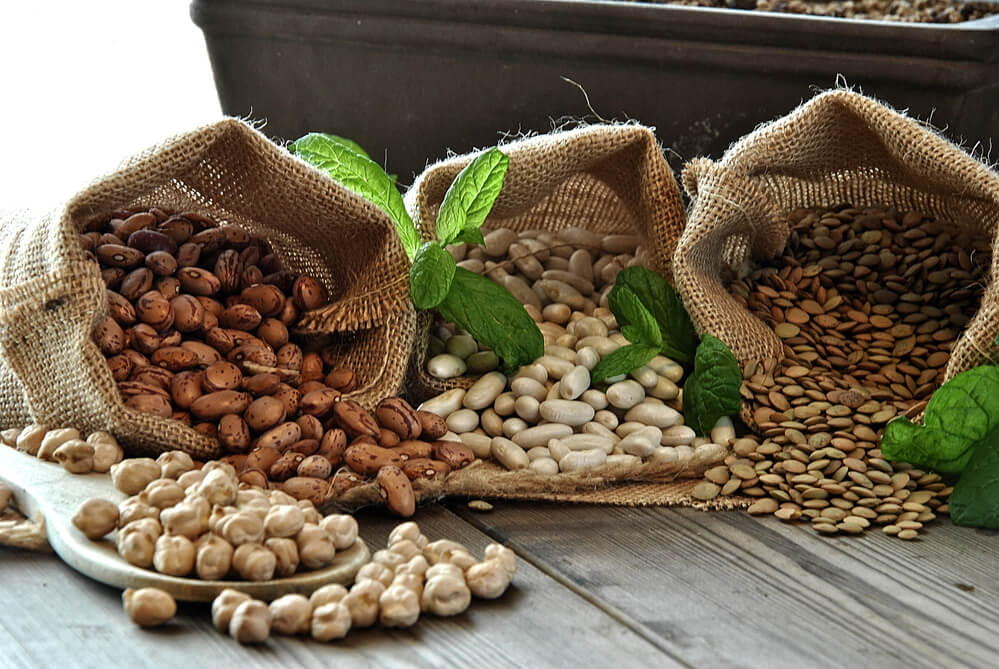
The 15 Most Filling Healthy Foods
The most filling foods nature provides can help you to maximize your nutrient intake while also controlling appetite and lessening cravings.
 theartofantiaging.com

|
How Big Pharma Weaponized Vaccines
On this week’s episode of With the Wind: Pediatric Perspectives, Dr. Paul is joined by integrative physician and vaccine researcher Dr. Sherri Tenpenny, M.D. Together, they explore autoimmune mechanisms, the distinctions between Type 1 and Type 2 diabetes, and how factors such as molecular mimicry, viral infections, and adjuvants may contribute to autoimmune conditions. Dr. Tenpenny also shares how reviewing her earlier work on the 2005 bird flu helped her recognize parallels that informed her upcoming book.“Your body doesn’t one day get a wound and decide it doesn’t like your pancreas. It’s because the immune system has been stimulated abnormally—and that’s what provokes autoimmune disease.” — Dr. Sherri Tenpenny, M.D.
In this episode, Dr. Sherri Tenpenny shares:
- The key differences between Type 1 and Type 2 diabetes and why autoimmune mechanisms underlie Type 1 diabetes.
- How molecular mimicry causes antibodies formed in response to viruses, bacteria, aluminum, or vaccine components to mistakenly target human tissues.
- Why adjuvants—especially aluminum—create inflammation and heightened antibody responses.
- How viral infections such as Coxsackie virus, flu, and mumps are correlated with autoimmune conditions.
- Concerns about the COVID shot, including that it does not prevent transmission or infection and its placement on the childhood schedule at six months.
- That several states, including Oregon, Montana, Washington, Texas, and Iowa, are working to pass legislation to prohibit the use of mRNA vaccine technology.
- A preview of her upcoming book Zero Accountability in a Broken System: How Big Pharma Weaponizes Vaccines, Public Health, and the Law, and how reviewing her 2005 bird flu book revealed parallels in public health actions and vaccine policy.
Don’t miss this powerful and eye-opening episode.
Tune in this Wednesday at 11:30 a.m. PT on DoctorsAndScience.com/Shows
Show available Wednesday 11:30 AM
Watch the Show
Can Sound Help the Body Heal? |
Music is more than entertainment—it’s a therapeutic tool that reaches deep into the nervous system, the emotions, and even the cellular level. In our latest blog, we explore how music therapy and sound frequency medicine can reduce stress, support immune balance, calm the nervous system, ease emotional overwhelm, and help bring the body back into vibrational harmony. |
You’ll learn how different sound frequencies influence the mind and cells, the benefits of tools like tuning forks, 432 Hz music, vibroacoustic therapy, and sound baths, and the emerging research using focused ultrasound and low-intensity sound waves to target cancer cells. We also explore how music therapy is woven into the Healing Diva Elite Retreat at The Karlfeldt Center and how these modalities support Essential #3: Balance Your Energy. If you’re looking for gentle, accessible ways to support emotional healing, reduce stress, and create a harmonious internal environment, this blog is a beautiful place to begin. |
The Fertility–Cancer Connection |
This week on the Wellness Warriors Podcast, De’Ann dives deep with Dr. Aumatma Simmons. Dr Simmons is a leading naturopathic endocrinologist and holistic fertility expert who’s helping women heal by getting to the root cause of hormone imbalance. |
Together, they unpack how environmental toxins, stress, and even common household products can disrupt hormones and increase cancer risk — and what simple, powerful swaps you can make today. You’ll discover: • The top 3 toxins impacting your hormones • How estrogen detox pathways influence breast and ovarian health • Why your menstrual cycle is your body’s built-in self-test • Easy food and lifestyle shifts that calm inflammation |

|
The Power of Peppermint: 15 Health Benefits Revealed |
| A favorite herbal medicine of the ancients, peppermint leaves have been found in Egyptian pyramids dating back to 1,000 BC. Modern scientific investigations have now confirmed that this remarkable plant has over a dozen healing properties. |

|
Mistletoe Extract Beats Chemotherapy Against Colon Cancer Cells |
| Aside from Christmas kissing lore, mistletoe has a long history of medicinal applications among ancient cultures. Some modern scientists are exploring its use as a treatment for colon cancer. |

A 10-Minute Practice Gift for Solstice Through the New Year
DOWNLOAD THE AUDIO HERE (You don't need to log in, just look for the download symbol at the top-right and click.)
This practice meets you wherever you are—washing dishes, lying awake at 2 a.m., stealing five minutes in your car.
The chi field doesn't demand perfect conditions. It responds to sincere intention. It will support you in 3 phases:
Part 1: Release the OldLet go of patterns that have shadowed this past year. Not through force. Through gentle recognition and loving permission to dissolve.
Part 2: Plant New Seeds
Open to what your body-spirit already knows it wants to become. The chi field receives your intention. Your sincerity creates the planting.
Part 3: Community Blessing
Receive the love and light of many practitioners holding this field together with you.

|
This Christmas, we're giving you the gift of knowledge. As conversations about vaccine policy heat up — with the hepatitis B vaccine now being removed from the recommended schedule for healthy babies and mothers — more people are asking the question: What about polio? Today, we're releasing Part 1 of Jefferey Jaxen's powerful documentary investigation into the historic account of polio — normally available exclusively to HighWire+ subscribers — completely free. Featuring interviews with Dr. Pierre Kory, Forrest Maready, and Dr. Suzanne Humphries (author of Dissolving Illusions), this is the documentary you'll want to share with every curious friend and family member at the table this holiday season. This is Part 1 of a two-part series. Watch the full 2-part series at HighWire.Plus! If you are a monthly donor, you already have access to HighWire+! Watch now at 11 a.m. PT on TheHighWire.com. And from our family, to yours, wishing everyone a Very Merry Christmas! |
Ginseng Fights Parkinson's Disease
Dr. Russell Blaylock, M.D., writes:
Studies have shown that various forms of ginseng have special properties that protect against Parkinson’s disease.
For example, in an animal model of human Parkinson’s disease, Panax ginseng — which contains high levels of a compound called Rg1 — significantly reduced the death of neurons in the part of the brain most damaged in Parkinson’s disease, called the substantia nigra. This occurred possibly by increasing the levels of critical antioxidant molecules in these brain cells — glutathione and superoxide dismutase.
Special: Brain Doctor: Simple Way to Stay Mentally Sharp
Ginseng was also shown to protect these same neurons in other models of Parkinson’s disease in which a metabolic product of dopamine (6-hydroxydopamine) was used, as well as in a rotenone model.
Rotenone is a commonly used pesticide that is a major environmental cause of Parkinson’s disease. In one study, it was found that taking ginseng orally could completely protect the substantia nigra neurons from a very powerful brain toxin called MPTP, which is used to create animal models of human Parkinson’s, and can produce Parkinson’s in humans as well.
Importantly, ginseng protection worked even if it was taken two days after exposure to the toxin.
Panax ginseng was found to increase the amount of dopamine in the brain area affected in Parkinson’s, the striatum, and also reduced the iron level in this critical brain area. Accumulation of excess iron is known to be one of the earliest damaging events in Parkinson’s.
Components of American ginseng also provided considerable protection of these important neurons. American ginseng protects against Parkinson’s-related brain damage by inhibiting nitric oxide accumulation in the brain and by reducing inflammatory brain mechanisms.
Combining a healthy diet, exercise, and the use of other protective supplemental compounds will greatly increase success in combating this terrible disorder.
Dr. Russell Blaylock, M.D., writes:
Studies have shown that various forms of ginseng have special properties that protect against Parkinson’s disease.
For example, in an animal model of human Parkinson’s disease, Panax ginseng — which contains high levels of a compound called Rg1 — significantly reduced the death of neurons in the part of the brain most damaged in Parkinson’s disease, called the substantia nigra. This occurred possibly by increasing the levels of critical antioxidant molecules in these brain cells — glutathione and superoxide dismutase.
Special: Brain Doctor: Simple Way to Stay Mentally Sharp
Ginseng was also shown to protect these same neurons in other models of Parkinson’s disease in which a metabolic product of dopamine (6-hydroxydopamine) was used, as well as in a rotenone model.
Rotenone is a commonly used pesticide that is a major environmental cause of Parkinson’s disease. In one study, it was found that taking ginseng orally could completely protect the substantia nigra neurons from a very powerful brain toxin called MPTP, which is used to create animal models of human Parkinson’s, and can produce Parkinson’s in humans as well.
Importantly, ginseng protection worked even if it was taken two days after exposure to the toxin.
Panax ginseng was found to increase the amount of dopamine in the brain area affected in Parkinson’s, the striatum, and also reduced the iron level in this critical brain area. Accumulation of excess iron is known to be one of the earliest damaging events in Parkinson’s.
Components of American ginseng also provided considerable protection of these important neurons. American ginseng protects against Parkinson’s-related brain damage by inhibiting nitric oxide accumulation in the brain and by reducing inflammatory brain mechanisms.
Combining a healthy diet, exercise, and the use of other protective supplemental compounds will greatly increase success in combating this terrible disorder.

I hope you’re taking some time for YOU in these final days of 2025, resting your mind and body for a fresh start in the new year.
Ok, I’ve got a big announcement today…
To give you a fun and inspiring dose of healing goodness, we’re holding a Special Holiday Screening of our hit docuseries: Proven: Healing Breakthroughs Backed By Science.
From now until this Tuesday at 11:59pm PT (US), you can watch every episode of Proven -- for free.
Proven: Healing Breakthroughs Backed By Science is a 9-part exploration of the most powerful natural and alternative medicines on earth. Each episode is focused on a specific disease or illness, and we highlight the undeniable, science-backed remedies that are reversing these conditions as we speak.
We poured a ton of time, love, and research into each episode - with the goal of creating a truly illuminating experience for you.
Click here to watch it now
Here’s a quick episode map to help you navigate the series:
Episode 1 - The Hidden Root Cause Of All Disease
Episode 2 - Reversing Autoimmune Disorders & Healing Your Gut
Episode 3 - Brain Health & Restoring Cognitive Function
Episode 4 - Solving Fatigue & Insomnia
Episode 5 - Healing Heart Disease, Diabetes & Obesity
Episode 6 - Overcoming Physical Pain
Episode 7 - Healing Emotional & Physical Trauma
Episode 8 - Cancer Breakthroughs
Episode 9 - Intimacy, Fertility & Hormone Health
The holidays are a time to be with loved ones and reflect on what is most important to us. As we head into the new year, there is no better time to empower and enlighten yourself with new wisdom that could potentially change your life.
https://proven.thesacredscience.com/proven-holiday-screening/
Ok, I’ve got a big announcement today…
To give you a fun and inspiring dose of healing goodness, we’re holding a Special Holiday Screening of our hit docuseries: Proven: Healing Breakthroughs Backed By Science.
From now until this Tuesday at 11:59pm PT (US), you can watch every episode of Proven -- for free.
Proven: Healing Breakthroughs Backed By Science is a 9-part exploration of the most powerful natural and alternative medicines on earth. Each episode is focused on a specific disease or illness, and we highlight the undeniable, science-backed remedies that are reversing these conditions as we speak.
We poured a ton of time, love, and research into each episode - with the goal of creating a truly illuminating experience for you.
Click here to watch it now
Here’s a quick episode map to help you navigate the series:
Episode 1 - The Hidden Root Cause Of All Disease
Episode 2 - Reversing Autoimmune Disorders & Healing Your Gut
Episode 3 - Brain Health & Restoring Cognitive Function
Episode 4 - Solving Fatigue & Insomnia
Episode 5 - Healing Heart Disease, Diabetes & Obesity
Episode 6 - Overcoming Physical Pain
Episode 7 - Healing Emotional & Physical Trauma
Episode 8 - Cancer Breakthroughs
Episode 9 - Intimacy, Fertility & Hormone Health
The holidays are a time to be with loved ones and reflect on what is most important to us. As we head into the new year, there is no better time to empower and enlighten yourself with new wisdom that could potentially change your life.
https://proven.thesacredscience.com/proven-holiday-screening/
The Truth About Apple Cider Vinegar
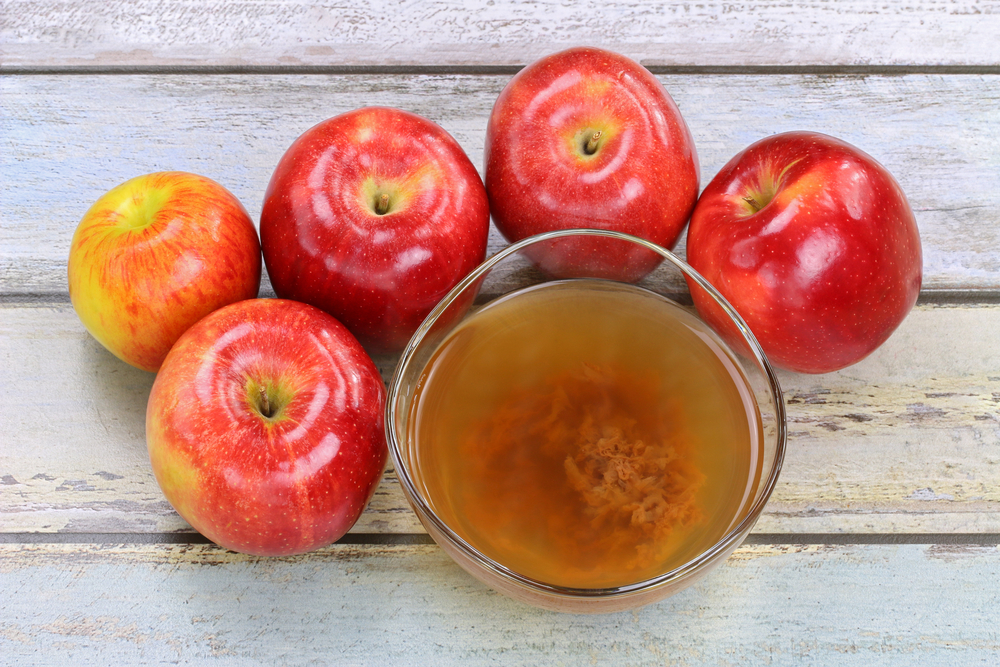
The Truth About Apple Cider Vinegar - thenutritionwatchdog.com
By: Cat Ebeling Co-author of the best-sellers: The Fat Burning Kitchen, The Top 101 Foods that Fig
 thenutritionwatchdog.com
Can a Revolutionary School Lunch Program in a Small Florida Town Change the Way Children Eat Across America?

Can a Revolutionary School Lunch Program in a Small Florida Town Change the Way Children Eat Across America?
By Catherine Ebeling, RN, MSN, Contributor, The MAHA Report
 www.themahareport.com
- DIY Hand Sanitizer with Essential Oils – Create a fast, effective sanitizer with 190-proof alcohol and essential oils that support natural antibacterial care. Skip toxic store brands and customize blends for immune support or mood.
- Demystifying Essential Oil Science, Myths & More – Cut through misinformation with a look at what research supports when it comes to essential oils. This guide helps you separate hype from truth with confidence.
- Protect Fertility by Avoiding Hidden Dangers – Learn the toxins, lifestyle factors, and environmental exposures that can affect fertility. This guide shows you how to reduce risks and support reproductive wellness naturally.
- Homemade Tomato Bisque Recipe – This creamy bisque blends tomatoes, herbs, coconut milk, and culinary essential oils for rich, comforting flavor. Serve it warm to brighten even the coldest winter day.
|


Environmental stressors like mold and toxins can interfere with bone health. Margie Bissinger’s complimentary 2025 Osteoporosis & Bone Health Summit explains how environmental threats impact your bones … and health! | |
| |
This event features 70+ interviews covering what you truly need to know to keep your bones strong and healthy, including:
| |
So thankful that you’re making an investment in your health, your life and yourself. Because health means everything, |

Big mistake triples heart risk, researchers warn
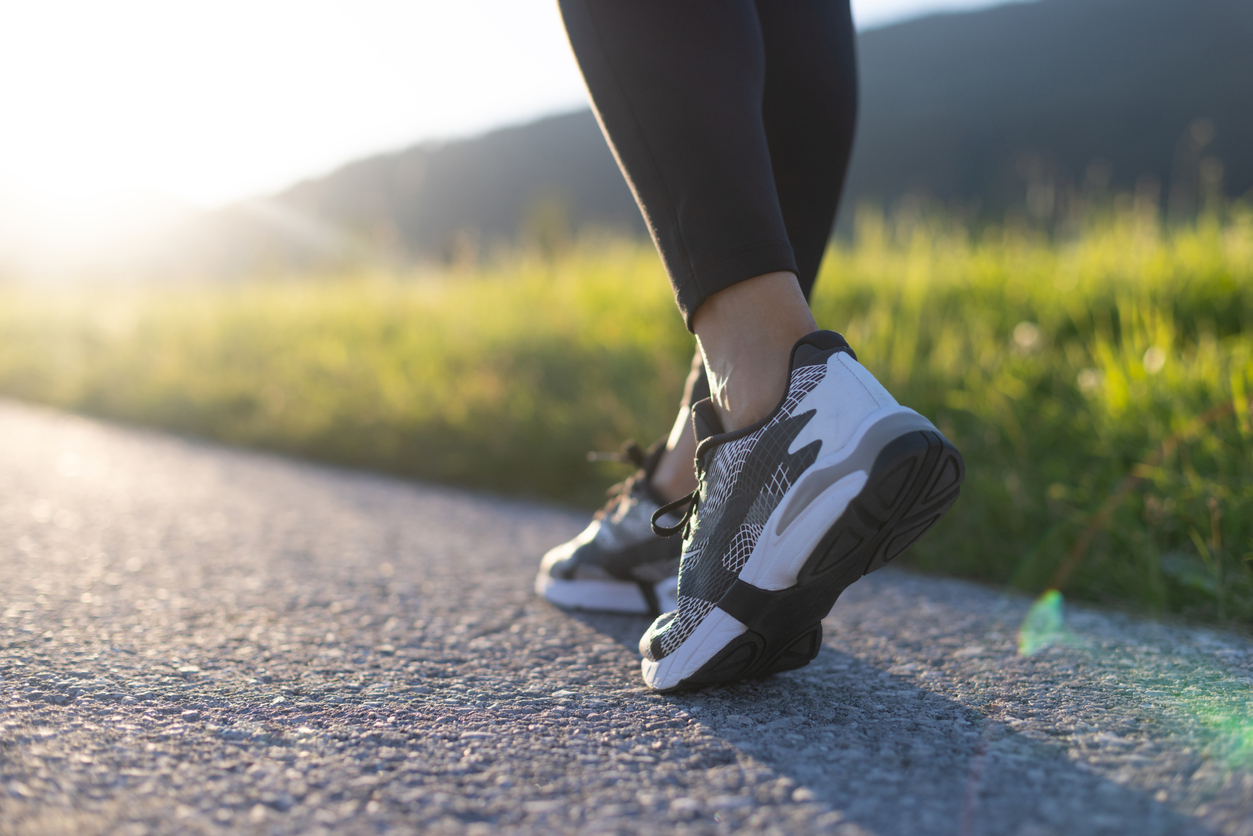
Walking Mistake Triples Heart Disease Risk | NaturalHealth365
(NaturalHealth365) Common walking mistake drives triple the heart disease risk-study reveals sustained 15-minute walks protect hearts better.
www.naturalhealth365.com
Stop diabetes with a nighttime snack that rewires your gut
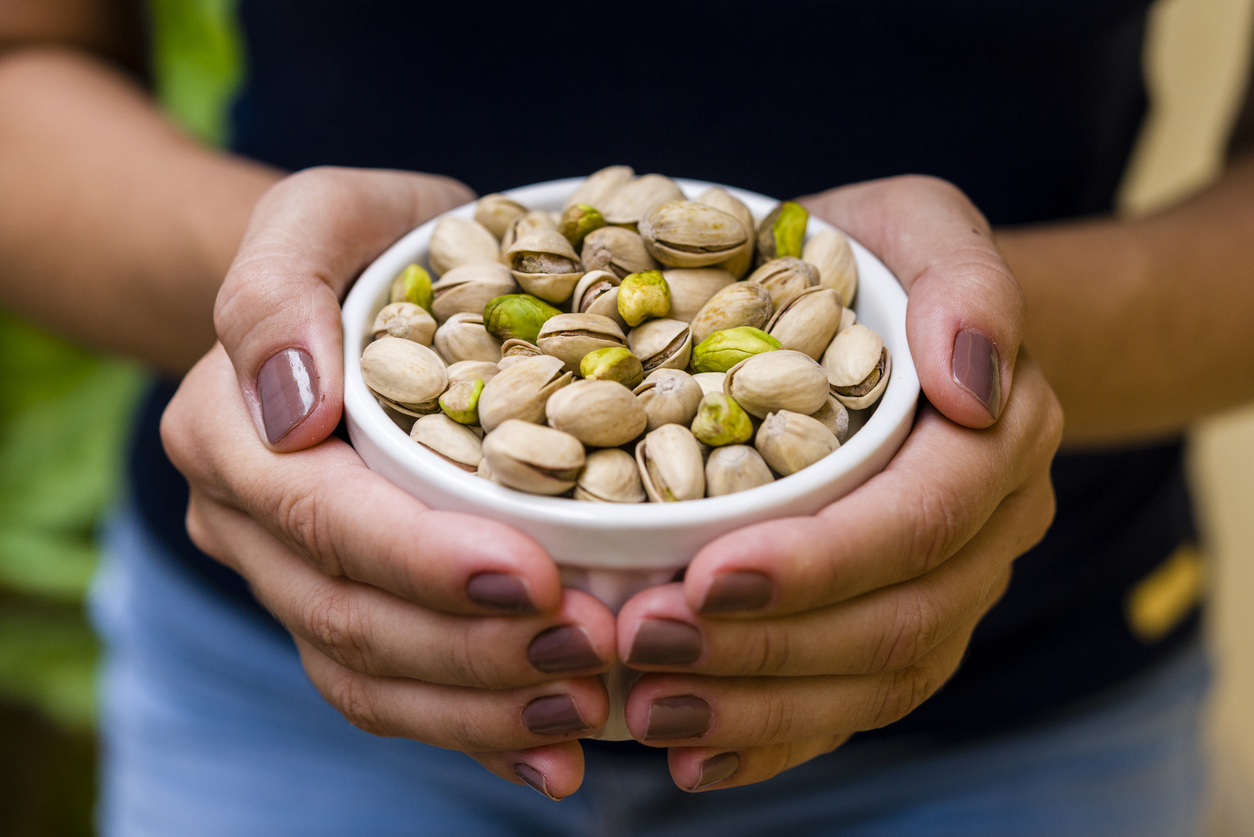
Pistachios Rewire Gut Microbiome | NaturalHealth365
(NaturalHealth365) Study reveals pistachios before bed dramatically alter gut bacteria in ways that could halt diabetes progression.
www.naturalhealth365.com
|
|---|

|
|---|
|
|---|
|
|---|
|
|---|
|
|---|
|
|---|
|
|---|
|
|---|
|
|---|
|
|---|
|
|---|
|
|---|
|
|---|


| |||
|

|
| Millions of Americans fled deep-blue states like California and New York because they believed the rules were different elsewhere. They moved to places like Alabama to escape lockdowns, mandates, and ideological capture of public institutions. They believed red states meant red lines.That belief is proving dangerously naïve. ... Read more |
|

Your kidneys play a crucial role in filtering waste, balancing electrolytes, and managing blood pressure. But did you know that certain foods can put a strain on these vital organs?
 Read Full Article
Read Full Article
Seniors Benefit From High CoQ10
By Dr. David Brownstein, M.D., writes:
Scientists looked at men and women ages 65 and older in order to study the relationship between CoQ10 blood levels and physical activity and capacity in elderly people. The study, which appeared in the journal Antioxidants, reported that high CoQ10 levels were directly associated with less cardiovascular risk.
Furthermore, high CoQ10 levels were found in people with greater physical activity and stronger muscle capacity.
CoQ10 also showed a strong inverse relationship to sedentarism and frailty. Stronger correlations were found in women.
Special: Dr. Crandall Saved His Own Heart With This
CoQ10 is a vitamin-like molecule that is actually produced in the body. It is made downstream from cholesterol. Therefore, we need an adequate amount of cholesterol in the body in order to manufacture CoQ10.
Drugs that lower cholesterol levels are directly associated with low levels of CoQ10, which is concentrated in the muscles, where it is needed for cell metabolism and energy production.
Specifically, it is found in the mitochondria of cells, which produce energy.
Deficiency of CoQ10 leads to low energy production and fatigue. Statin drugs poison an enzyme called HmG-CoA reductase. When a statin is taken, the HMG-CoA reductase enzyme is poisoned and cholesterol production declines. Downstream metabolites from cholesterol, such as CoQ10, also decline.
As CoQ10 levels fall with statin use, CoQ10 will decline in mitochondria, leading to low energy production and fatigue.
As CoQ10 levels in muscles fall, this will manifest as aching muscles. It should be no surprise that two of the most common side effects from taking statins are fatigue and muscle pain.
Statins lower the risk for nonfatal strokes and heart attacks by about 1% for those who have no cardiac history and by approximately 3% for patients with a cardiac history. When the side effect profile of statins is reviewed, I simply cannot understand why so many people are taking statin medications.
More information about statins can be found in my book, The Statin Disaster.
By Dr. David Brownstein, M.D., writes:
Scientists looked at men and women ages 65 and older in order to study the relationship between CoQ10 blood levels and physical activity and capacity in elderly people. The study, which appeared in the journal Antioxidants, reported that high CoQ10 levels were directly associated with less cardiovascular risk.
Furthermore, high CoQ10 levels were found in people with greater physical activity and stronger muscle capacity.
CoQ10 also showed a strong inverse relationship to sedentarism and frailty. Stronger correlations were found in women.
Special: Dr. Crandall Saved His Own Heart With This
CoQ10 is a vitamin-like molecule that is actually produced in the body. It is made downstream from cholesterol. Therefore, we need an adequate amount of cholesterol in the body in order to manufacture CoQ10.
Drugs that lower cholesterol levels are directly associated with low levels of CoQ10, which is concentrated in the muscles, where it is needed for cell metabolism and energy production.
Specifically, it is found in the mitochondria of cells, which produce energy.
Deficiency of CoQ10 leads to low energy production and fatigue. Statin drugs poison an enzyme called HmG-CoA reductase. When a statin is taken, the HMG-CoA reductase enzyme is poisoned and cholesterol production declines. Downstream metabolites from cholesterol, such as CoQ10, also decline.
As CoQ10 levels fall with statin use, CoQ10 will decline in mitochondria, leading to low energy production and fatigue.
As CoQ10 levels in muscles fall, this will manifest as aching muscles. It should be no surprise that two of the most common side effects from taking statins are fatigue and muscle pain.
Statins lower the risk for nonfatal strokes and heart attacks by about 1% for those who have no cardiac history and by approximately 3% for patients with a cardiac history. When the side effect profile of statins is reviewed, I simply cannot understand why so many people are taking statin medications.
More information about statins can be found in my book, The Statin Disaster.
Eczema, Psoriasis and Skin Disease Masterclass Your skin is a window into how your body handles the environment around it. Chronic skin conditions are a marker, a way to tell just how well your body is doing. | |
| |
This masterclass explores practical strategies to identify hidden environmental triggers, support detoxification, and strengthen skin health from the inside out and the outside in. | |
| |
The Autoimmune Revolution What do you do when you’ve reached the point of total overwhelm? The Autoimmune Revolution examines the solutions that come when you’ve gone beyond just not feeling well and into chronic autoimmune conditions. | |
| |
You’ll gain tools to protect your immune system and create a more resilient environment around you for wellness. | |
| |
The Adrenal Solutions Summit Chronic exposure to stressors (chemical, emotional, or environmental) can overwhelm the adrenal glands and nervous system, leaving you fatigued, stressed, and more susceptible to illness. | |
| |
This summit explores ways to support adrenal health while reducing environmental stress. Reducing toxic load and managing environmental stress is one of the most powerful ways to improve energy, immunity, and long-term health. These free events provide practical tools and expert strategies to help your body thrive in a world full of hidden stressors. | |
So thankful that you’re making an investment in your health, your life and yourself. Because health means everything, |


- DIY Focus & Calming Roll-On Blend – Made with chamomile, vetiver, orange, and geranium, this blend helps settle the mind and improve attention. Follow the step-by-step recipe to support focus naturally.
- 5 Essential Oils for Optimal Brain Health - Discover how rosemary, frankincense, lemon balm and more support memory, cognition, and healthy brain aging. See the incredible research to help keep your brain sharp!
- Best Omega-3 Food Sources - Learn the top whole-food omega-3 sources including chia, flax, walnuts, hemp seeds, and fish that help support heart, brain, and metabolic health. A simple guide to boosting intake naturally.
- Blueberry Vanilla Smoothie Recipe – Blend blueberries, vanilla, and coconut milk into a creamy, energizing smoothie with healthy ingredients. Perfect for quick breakfasts or an afternoon pick-me-up.
Just wrapped up a great morning of pickup basketball with my hoops crew after a really solid Christmas.
I hope yours was just as good, minus any awkward family debates;-)
And now let’s dig into a important health topic.
A couple weeks ago, I sat down with the Driven For Health Podcast.
Specifically, we talked about men’s health and spinal issues.
Now don’t tune out… just hear me out for one second.
If this doesn’t apply to you, it absolutely applies to someone you know.
So please share this episode with them.
Here’s something I’ve learned working with my male patients for decades... and being a man myself.
Most men only think about their back when it hurts.
Neck pain shows up.
Back stiffness settles in.
Shoulders tighten.
Headaches become frequent visitors.
By then, the damage has usually been building quietly for years.
In this episode, I walk through how spinal problems actually start.
We talk about correcting issues before they turn chronic and frustrating.
Plus…
You’ll hear why degeneration begins earlier than most people expect, especially men.
How poor posture quietly increases nervous system stress.
Why energy drops aren’t always about sleep or age.
How posture, breathing, mood, and confidence are connected in ways you never consider.
Why chronic neck and shoulder pain often isn’t a muscle problem.
How screens and daily habits accelerate spinal breakdown.
And I share simple posture and movement checks you can try immediately.
This conversation goes beyond pain management.
It ties spinal health to leadership, focus, and longevity.
If you sit long hours, train hard, or rely on pain meds, this will hit home.
Give the episode a listen right here.
And if you think it’ll help others, share it with someone who needs it.
As always, Be Your Own Guarantee for your health and life.
Dr. Ryan
P.S. While you’re there, leave a 5 star review for my episode and podcast.

I hope yours was just as good, minus any awkward family debates;-)
And now let’s dig into a important health topic.
A couple weeks ago, I sat down with the Driven For Health Podcast.
Specifically, we talked about men’s health and spinal issues.
Now don’t tune out… just hear me out for one second.
If this doesn’t apply to you, it absolutely applies to someone you know.
So please share this episode with them.
Here’s something I’ve learned working with my male patients for decades... and being a man myself.
Most men only think about their back when it hurts.
Neck pain shows up.
Back stiffness settles in.
Shoulders tighten.
Headaches become frequent visitors.
By then, the damage has usually been building quietly for years.
In this episode, I walk through how spinal problems actually start.
We talk about correcting issues before they turn chronic and frustrating.
Plus…
You’ll hear why degeneration begins earlier than most people expect, especially men. How poor posture quietly increases nervous system stress. Why energy drops aren’t always about sleep or age. How posture, breathing, mood, and confidence are connected in ways you never consider. Why chronic neck and shoulder pain often isn’t a muscle problem. How screens and daily habits accelerate spinal breakdown.And I share simple posture and movement checks you can try immediately.
This conversation goes beyond pain management.
It ties spinal health to leadership, focus, and longevity.
If you sit long hours, train hard, or rely on pain meds, this will hit home.
Give the episode a listen right here.
And if you think it’ll help others, share it with someone who needs it.
As always, Be Your Own Guarantee for your health and life.
Dr. Ryan
P.S. While you’re there, leave a 5 star review for my episode and podcast.
Sleep Disorders and GMOs: The Hidden Connection Robbing You of Rest


Did you know
The Hidden Connection Between Glyphosate and Kidney Disease
Dec 23, 2025Your Kidneys May Be Under Attack from What You Eat Chronic kidney disease now affects approximately 37 million Americans—about 1 in 7 adults—and...
Did you know
Hormonal Chaos: How GMOs and Glyphosate Disrupt Your Endocrine System
Dec 16, 2025The hidden connection between genetically modified foods, glyphosate, and the thyroid dysfunction, menstrual irregularities, and hormone imbalances...

Did you know
Brain Fog, Fatigue, and Mood Disorders: The Hidden Link to GMOs and Glyphosate
Dec 08, 2025How genetically modified foods and Roundup herbicide may be disrupting the gut-brain connection and sabotaging mental clarity, energy, and emotional...

Did you know
The Hidden Connection: How GMOs and Glyphosate May Be Fueling the Digestive Disease Epidemic
Nov 19, 2025A comprehensive examination of the scientific evidence linking genetically modified organisms and Roundup herbicide to the dramatic rise in...
Onions & your gut health, longevity, cancer, and more!
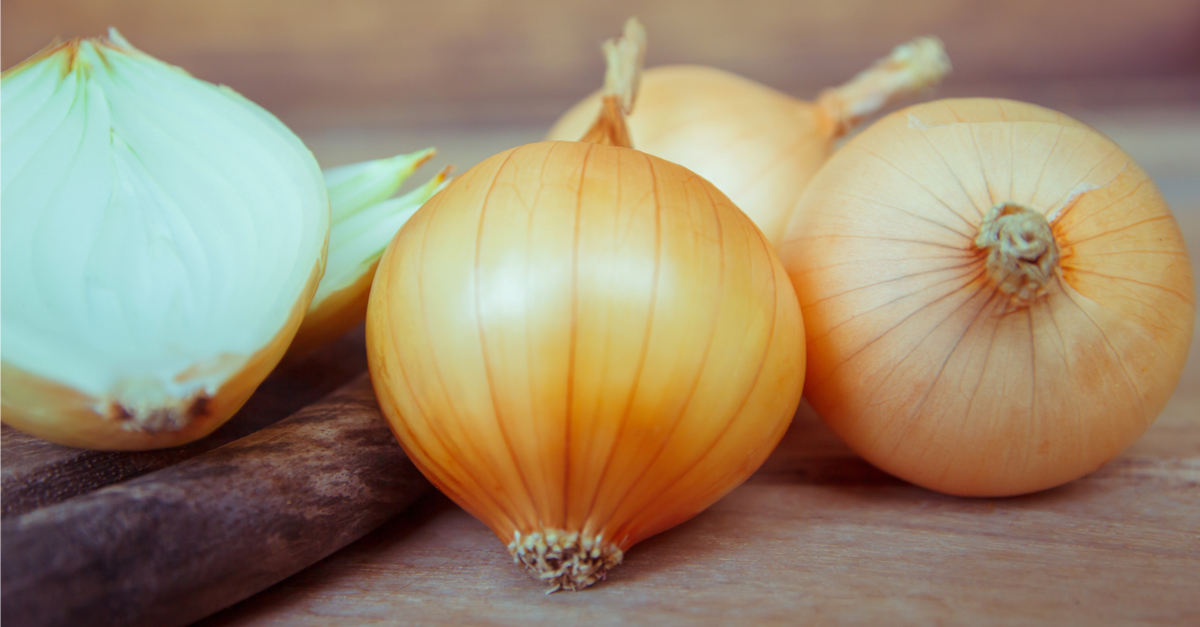
Onions & your gut health, longevity, cancer, and more! - thenutritionwatchdog.com
By: Catherine Ebeling & Mike Geary Co-author of the best-sellers: The Fat Burning Kitchen, The


gopher_byrd
Cranky Old Fart
VU Donator
Diamond Contributor
ECF Refugee
Member For 5 Years
VU Patreon

California Mandates Additive Many Can’t Process, RFK Cries ‘Insanity’
California mandates folic acid in tortillas, risking health for many, including those with gene mutations.
 pjmedia.com
Only once in the past ten years was a flu shot at least 50% effective--and that is according to CDC, which has a history of making vaccines appear more effective than they are
Non-CDC analyses have concluded that in some years the shot has negative efficacy: those vaccinated are more likely to come down with flu than the unvaccinated

Only once in the past ten years was a flu shot at least 50% effective--and that is according to CDC, which has a history of making vaccines appear more effective than they are
Non-CDC analyses have concluded that in some years the shot has negative efficacy: those vaccinated are more likely to come down with flu than the unvaccinated
 merylnass.substack.com
"We Won't be Fooled Again!" How extensive is this year's FLU?
The NYT does its best to scare us. The CDC data reveals that is a bald-faced lie. The Flu is milder than usual this year.

"We Won't be Fooled Again!" How extensive is this year's FLU?
The NYT does its best to scare us. The CDC data reveals that is a bald-faced lie. The Flu is milder than usual this year.
merylnass.substack.com