Be Vigilant if Cardiac Procedures Require Hospital Stay
By Chauncey Crandall, M.D.
These days, cardiac treatments are better than ever. There are more life-saving procedures available for patients, and the death rate from heart attacks has declined significantly.
But when I’m asked for the best advice I can give, I advise patients to do everything they can to avoid the need for these innovative cardiac procedures.
As miraculous as modern procedures and devices are, they are interventional treatments — which means they involve a device of some kind being placed in the body, and for that reason such procedures will always carry some degree of risk.
Special: Dr. Crandall Reveals the Secret to Normal Cholesterol
Sometimes a patient has no choice but to undergo an interventional procedure.
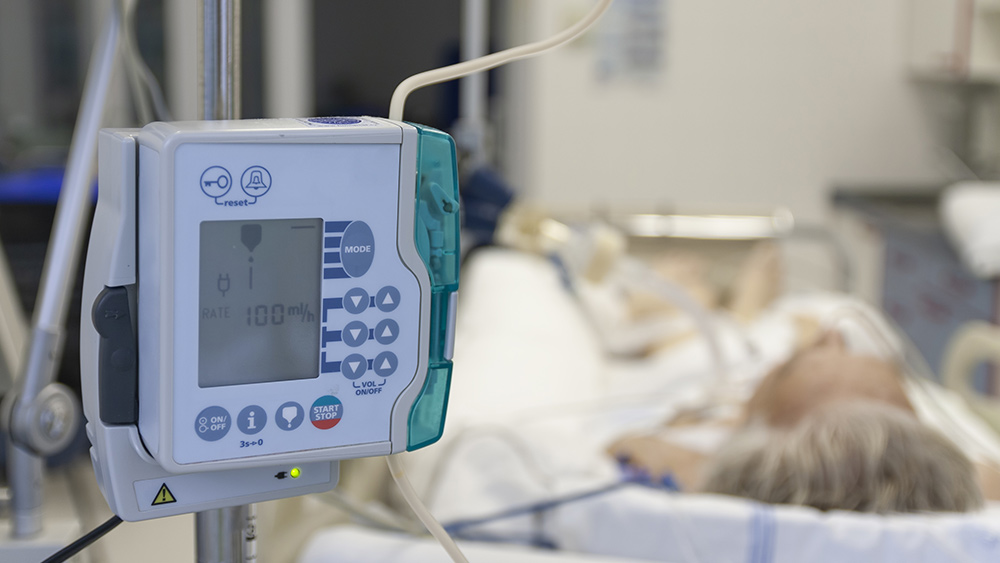
The direct risk of complications or death from these procedures is not the only reason for caution. I’m also concerned that such procedures are performed in hospitals — and unfortunately, hospitals are dangerous places these days.
Thanks to budget cutbacks, hospital cleaning staffs have been cut back, so hospitals are not the sanitary oases they used to be. In fact, they are downright dirty.
The skyrocketing number of medical errors is also alarming. In 2019, the British Medical Journal estimated 250,000 deaths in the U.S. per year were due to medical error.
So here’s the bottom line: If you go into the hospital for a procedure or treatment, even if it is as an outpatient, you must remain vigilant.
And you should remain on the lookout for problems after you are discharged as well.
Unless you’re in the medical field, you probably don’t realize that the one-time fee all surgeons receive is intended to cover both surgery and 90 days of follow-up care. But since the surgeons get their fees upfront you are unlikely to see them afterwards.
So your internist or cardiologist is left to do the follow-up. And so are you, because you are the person who has the responsibility of reporting changes in how you feel to your doctor.



 myersdetox.com































 )
)