Become a Patron!

Garden time is coming

Jimi

Diamond Contributor
Member For 5 Years

How To Match Plant Varieties To Your Climate​


Jimi

Diamond Contributor
Member For 5 Years
May be an image of flower and text that says 'The world's only naturally black roses bloom in Turkey. Fed by the mineral rich waters of the Euphrates River, these flowers appear nearly jet black, a fragile and awe inspiring rarity that exists nowhere else on Earth. STRANGEST FACTS'
 

Bliss Doubt

Diamond Contributor
Member For 5 Years
Fort Worth couple plants orchard to increase life expectancy and environmental education.


The neighborhood sits just east of the 76104 ZIP code, which has the lowest life expectancy in Texas, likely associated with the urban food desert and lack of economic opportunity.
 

Jimi

Diamond Contributor
Member For 5 Years
Fall Back in Love with Your Garden
February is all about love — but not just romantic love. It’s about reconnecting with what makes your heart come alive.

For many of us, that place is the garden.

Gardening has a way of grounding us, calming us, and reminding us that growth takes patience.

But if you’ve faced crop failures, busy seasons, unpredictable weather, or just plain overwhelm… it’s easy for that spark to fade.

If your garden has felt more frustrating than fulfilling lately, this is your gentle invitation to fall back in love with it.
Rediscover Your Garden Joy
In this blog, we share simple, practical steps to help you:

🌱 Reconnect with why you started
🌿 Shift from pressure to peace
🌸 Create small wins that rebuild confidence
💚 Rediscover the joy that first drew you to growing your own food
Your garden doesn’t need perfection — it needs presence.

Grow What You Love 🌱

Before you plant a single seed, here’s something to remember:

Your garden should reflect your heart — your goals, your season of life, and what you truly want to grow.

That’s why we created the Your First Step to Grow ORGANIC Vegetables Guide.

Inside, you’ll:
  • Clarify what matters most this season
  • Avoid overwhelm
  • Create a garden that fits your life and energy

When your garden aligns with what you love, everything feels lighter — and a whole lot more joyful.
https://stratus.campaign-image.com/images/1513905000055216869_zc_v1_1770404818362_first_steps_3d_stand_up_right_small..png
 

Jimi

Diamond Contributor
Member For 5 Years
A Little Love for Our Harvest Club Members 💚

We’ve welcomed nearly 100 new members into Harvest Club in the past couple of weeks — and our hearts are full.

Harvest Club is where gardeners get real-time support for where they are right now. Whether you're planning, planting, troubleshooting, or harvesting, we help you connect the dots between your season, your garden, and the course you’re working through — so you actually implement and see results. It’s hands-on.

It’s practical. And it’s deeply supportive.

Coming up this Monday, February 9th, is our next LIVE Q&A Garden Jam. Harvest Clubbers, watch your email for the invite link.

Bring your garden questions, share your wins and challenges, and connect with like-minded gardeners from around the world.

To our Harvest Club members — we’re so glad you’re here. This is what growing together looks like. 💚
As we move closer to the Joyful Gardener Docuseries, I’m reminded of this:

Growing food is an act of love.

Love for your health.
Love for your family.
Love for the future.

However you’re spending this season, I hope you’re planting something that brings your heart joy.

With gratitude for this beautiful community,

🌱 The Grow Your Own Vegetables Team 🌱
 

Jimi

Diamond Contributor
Member For 5 Years
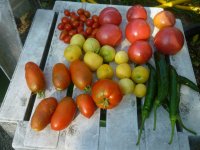
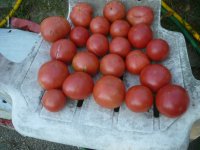
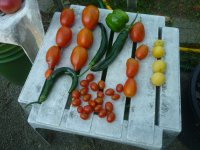
Your urban farming hack for this week is how to grow perfect tomatoes.

If you’ve already grown tomatoes or tried sun-ripened tomatoes fresh from the vine, you know how superior homegrown tomatoes are to those bought at the store.

To be honest… I can hardly stand the taste of store bought tomatoes now that I know how juicy and delicious homegrown tomatoes are.

Check out this article from Jason Johns on Growing Tomatoes from side shoots.

And while you're preparing to plant your tomatoes, bookmark this oven roasted tomato soup recipe for your harvest!

Tomatoes are the perfect crop to grow at home because they also do well in containers. Ready, set, grow!
 

Jimi

Diamond Contributor
Member For 5 Years
If you care about your health, you probably choose organic foods whenever you can. Most people assume that label means clean, safe, and nourishing.
The uncomfortable truth is that even organic food can carry things you would never knowingly choose to put into your body.
Organic standards do not guarantee healthy soil. They do not protect against chemical drift from nearby farms. They do not account for water quality, long storage times, or how food is handled after harvest. By the time produce reaches the store, much of what made it nourishing can already be compromised.
There is only one way to be completely sure what is in your food. Grow it yourself. (Here’s the literal guide to getting started!)
Growing your own vegetables and herbs puts you back in control. You decide what goes into the soil, what touches the plants, and what never does. There is no guessing, no labels to interpret, and no compromises.
This guide walks you through the essential foundations of growing clean, nutrient rich food in a way that works with nature and fits real life. When you download it, you will also receive free access to watch all eight episodes of the Joyful Gardener Docuseries Event for a limited time.
Click here to access your guide and reserve your spot.
So thankful that you’re making an investment in your health, your life and yourself.
Because health means everything,​
 

Jimi

Diamond Contributor
Member For 5 Years
We’re so excited to grow with you during the Joyful Gardener Docuseries 🌱

To support you at the most important moments of the event, we’ve scheduled Strategic Live Q&A Sessions on select days — when clarity, confidence, and momentum matter most.

Live Q&A Sessions
These sessions are designed to help you get oriented, ask questions, and confidently apply what you’re learning.

🗓️ Tuesday, Feb 10 – Orientation & Confidence
🗓️ Wednesday, Feb 11 – Momentum & Clarity
🗓️ Tuesday, Feb 17 – Integration & Next Steps


👉 Add these sessions to your calendar here 👈

Apple Google Outlook Outlook.com Office 365 Yahoo


Each live session will start at 4:00 PM PT / 7:00 PM ET, giving you time to watch that day’s session and submit your questions.

Join the Conversation
We’ll also be gathering inside our Joyful Gardener Facebook Group, where you can reflect on each day’s lesson, connect with fellow gardeners, and stay inspired throughout the event.


>>> Join the Facebook Group and share about your garden

Share the Joy
Do you know someone who would love this experience? Invite them to join you at JoyfulGardenerDocuseries.com — and feel free to share the event on social media, too!

We’re so glad you’re here.

🌱 The Grow Your Own Vegetables Team 🌱
 

Bliss Doubt

Diamond Contributor
Member For 5 Years
Kinda like another ag gag law, only different:


Jimi

Diamond Contributor
Member For 5 Years

What Do Hybrid And Open-Pollinated Mean?​


Bliss Doubt

Diamond Contributor
Member For 5 Years
They want to tell us "shut up and eat".


Jimi

Diamond Contributor
Member For 5 Years
Jimi,
Get seeds once, eat food for life. That's what seed saving is all about!
Living in Asheville during Hurricane Helene, I've seen first-hand how vulnerable our food system is (more on that below). My experience has been a reminder that, at any given moment, we are always at risk for food insecurity.
Thankfully, the answer is quite simple… and it’s worked for thousands of years.
Are you ready to support and protect YOUR food supply by saving seeds?​
As always, registration is free. Plus, this year, all 8 classes are being offered pre-recorded and on-demand. That means that you can watch the classes anytime you want from the comfort of your own home.
During the hurricane, my neighborhood didn't have internet or power for a week (and we were some of the lucky ones). We were high enough to be safe from flooding, but were cut off from the world around us since the roads to get anywhere else were closed. The community support and food we ate from our farm helped us to stay resilient and full.
THIS is why we need seeds and seed knowledge!
Right before the hurricane, I'd already planned to send the Extended Seed Up Saturday your way for free. Now, it feels more important than ever. Please share this with your friends, too. ANYONE might need this information one day.
Here’s a quick glimpse of a few of the things you'll learn in 8 easy-to-digest classes:
➜ Start seed saving, even if you’ve never even tried it before
➜ Support your local food system with local seeds
➜ Increase the seeds in your community
➜ Host a simple seed event in your area
➜ Choose the right seeds (it’s not what you’d expect!)
➜ Know the truth behind seed-saving myths
➜ Store seeds so they’re ready to ‘grow’ whenever you need them
Signing up for our Extended Seed Up Saturday is the best way to secure your food supply (plus, have fun and build community while doing it).​
Looking forward to helping you ‘skill up’ with Seed Up.​
mail
Greg, Kari, Bill, Janis and Belle
Your Great American Seed Up Team​
PS - We've never offered any Seed Up Saturday on demand before. That means that, once you register for free, it will be yours to access whenever you want. But I urge you - don't wait! Register and watch the Extended Seed Up Saturday videos NOW so that you have this information for when you need it more.​
 

Jimi

Diamond Contributor
Member For 5 Years
Seeds are the beginning of every harvest, but they can also be the start of something much bigger. When gardeners have access to abundant, shareable seeds, the impact grows beyond individual gardens into families, neighborhoods, and communities.

This month, we’re exploring how both seed access and simple sharing practices can expand what’s possible in your garden … and help grow lasting local food resilience.

Join us this week for March’s Thriving Gardener Masterclass:

🌱 From Seed to Community 🌱
Planting abundance for families, gardens, and neighborhoods

🗓️ Wednesday, March 4, 2026
🕓 4pm PT / 7pm ET

👉 Save My Seat

Thriving Gardener Masterclass

In this live session, Greg Peterson will show you how abundant seed access and simple sharing practices can expand what you grow at home. Plus learn how shared seed resources can spark a more connected, resilient local food community.

You’ll discover:
  • How seeds can help you grow food for your family … and share with others
  • Simple ways to let plants naturally reseed so your garden improves year after year
  • Which open-pollinated varieties produce reliable, high-yield harvests in home gardens
  • How shared seed resources expand what neighborhoods can grow together
  • Why locally adapted seeds lead to better flavor, nutrition, and long-term garden success
  • Practical ways to join seed sharing, swaps, and neighborhood growing networks

Don’t miss this inspiring session on growing beyond your own garden—into shared abundance, connection, and community.

We can’t wait to see you there!

>>> Reserve Your Spot Now

To your thriving garden,

🌱 The Grow Your Own Vegetables Team 🌱
 

Jimi

Diamond Contributor
Member For 5 Years
Have you secured your access to Seed Up Saturday yet?
Click here to get your free ticket!
Growing your own food is a good idea because it secures your food supply.
But it also helps to keep that food around in the future.
Let me explain…
A disaster many people don't think about is the very real threat of losing entire varieties of food.
Take the banana for example.
There’s essentially only 1 kind of commercially produced banana in the world.
And it’s literally on the brink of extinction.
Thanks to industrial agriculture, banana varieties are now so similar that they could be entirely wiped out by a virus, pest, or fungus… and it’s come SO CLOSE a number of times.
Can you imagine a world without bananas?
And that’s just ONE example.
Thankfully, there’s a simple way we can protect our food...make it biodiverse!
When someone grows and saves seeds in their own garden, it changes a little. It adapts to where they are.
Every time that seed is planted-saved-replanted it changes a little more…
Each growing season, it gets a little more unique and more adapted to your area.
With more people planting and saving seeds, each plant will have millions of variations.
This means that someone will have a variation that is ‘different enough’ so it survives, even when other plants are wiped out.
Saving seeds protects your own food supply - and the entire species of food.
Seed Up Saturday where we share how to get, collect and preserve seeds that you can use in your survival garden.​
 

Jimi

Diamond Contributor
Member For 5 Years
What if one simple box of seeds could help feed not just your garden—but several families?

Today’s Thriving Gardener Masterclass
explores how abundant seeds can multiply what’s possible in your garden and your community. When gardeners have access to shareable seeds and the confidence to grow them, food production expands far beyond individual beds and containers.

Join us today for this month’s Thriving Gardener Masterclass:


🌱 From Seed to Community 🌱
Planting abundance for families, gardens, and neighborhoods

🗓️ Wednesday, March 4, 2026
🕓 4pm PT / 7pm ET

👉 Save My Seat

Thriving Gardener Masterclass

In this live session, Greg Peterson will show you how abundant seed access and simple sharing practices can expand what you grow at home. Plus learn how shared seed resources can spark a more connected, resilient local food community.

You’ll discover:
  • How seeds can help you grow food for your family … and share with others
  • Simple ways to let plants naturally reseed so your garden improves year after year
  • Which open-pollinated varieties produce reliable, high-yield harvests in home gardens
  • How shared seed resources expand what neighborhoods can grow together
  • Why locally adapted seeds lead to better flavor, nutrition, and long-term garden success
  • Practical ways to join seed sharing, swaps, and neighborhood growing networks

If you’ve ever wished you could grow more food, more easily—and help others do the same, this is a session you won’t want to miss.

>>> Reserve Your Spot Now
 

Jimi

Diamond Contributor
Member For 5 Years
mail
mail
Jimi,
Over a decade ago we asked ourselves,
How can we build a more sustainable and resilient food system?”
This is how we came up with Seed Up Saturday. This year, Seed Up Saturday is on demand, consisting of 8 digestible classes ranging from 8-20 minutes each. It's designed to help you learn to save seeds, or elevate your existing seed saving journey!​
The safety of our food supply depends on everyone in the community having access to food.
Try keeping the hungry masses at bay when you have a garden full of fruits and vegetables! The solution?
When everyone has food, nobody will come after yours.
So we need to show others how to get, start, collect, and save seeds.
No one needs to be a ‘gardening expert’ to do this.
They just need the steps - and that’s what we’re sharing in Seed Up Saturday.
Plus, you’ll see how to host a simple event where people in your community can get seeds - to increase their self-sufficiency, and your protection.
Growing food is an essential part of being prepared. Saving seeds is the ‘next level’ of preparedness you need.
Get access now to Seed Up Saturday!​
 

Jimi

Diamond Contributor
Member For 5 Years
🍽️ Plant-Based Meals Made Simple
Thinking about eating more plants… but still wondering about protein?

Many people ask the same questions:

Do plants really provide enough protein? Is plant protein “complete”? Do you need special supplements or complicated food rules?

These questions often stop people from experimenting with more plant-based meals.

Inside the free Plant-Based Beginner’s Bootcamp, you’ll learn what the research actually shows about plant protein — and why getting enough is often much simpler than people expect.
https://stratus.campaign-image.com/images/1513905000064806494_zc_v1_1772740724402_pbbb_march_2026_graphic_3(1).png
You’ll also see how it can turn into real, satisfying meals you’ll actually want to make, like:

🥥 Pina Colada Chia Seed Pudding
🥗 Vegan Mediterranean Protein Bowl with Tofu Feta & Lemon Tahini Dressing
🥣 Vegan Mexican “Chicken” Tortilla Soup
🍫 5-Minute Reese’s Peanut Butter Cup Chocolate Mug Cake

Grab the recipes, and explore a few new plant-powered meals.

🫘 From Seed to Community: Growing Abundance Together

Seeds are the starting point of every harvest—but they’re also the foundation of stronger local food systems.
Thriving Gardener
In our latest Thriving Gardener Masterclass, Greg Peterson shares how abundant seeds and simple sharing practices can expand what’s possible in your garden and your community.

You’ll learn why seed access matters, how open-pollinated varieties support long-term garden success, and simple ways gardeners are building local seed abundance through sharing and community events.
 

Jimi

Diamond Contributor
Member For 5 Years
In the Garden 🌱
Seed starting season is underway! Are you starting seeds indoors yet?

These tiny seedlings are a small but exciting reminder that the growing season is on its way.
seedlings in dirt
🪏 Four Hacks That Solve Almost Any Garden Problem
https://stratus.campaign-image.com/images/1513905000064806494_zc_v1_1772741937869_4_garden_hacks.jpg
Garden hacks aren’t just clever tricks—they fall into four simple categories that can solve almost any gardening challenge. Using the everyday problem of lost hand tools, this video shows how gardeners can solve problems with physical solutions, DIY fixes, habit shifts, and clever backup systems that still work when everything else fails. Once you see these four types of hacks, you’ll start spotting creative solutions all over your garden.
 

Jimi

Diamond Contributor
Member For 5 Years
If you're planning to start your garden from seed this year, there’s one thing that can make a big difference before you even plant your first seed.

Understanding what kind of seeds you're buying.

We often hear from gardeners who say …
Seed catalogs are exciting… but also confusing.

Terms like heirloom, hybrid, open-pollinated, organic, and patented are everywhere — and it’s not always clear what they actually mean for your garden.

So we created a simple resource to help.

Our quick-reference guide — Types of Seeds breaks down the most common seed terms so you can choose seeds with confidence.

>>> Download your complimentary Types of Seeds Guide here 🌰


Types of Seeds booklet
Inside the guide you'll learn:

🌱 The real difference between heirloom, hybrid, and open-pollinated seeds
🌱 What “true-to-type” means (and why gardeners care)
🌱 How organic, conventional, and patented seeds differ
🌱 Why some seeds are better choices for saving and long-term garden resilience

Once you understand these labels, seed shopping becomes a lot simpler … and you can choose varieties that align with your goals for your garden.

>>> Download the Types of Seeds Guide today 🌰

Happy seed starting,

🌱 The Grow Your Own Vegetables Team 🌱
 

Jimi

Diamond Contributor
Member For 5 Years
Hey folks,

On Wednesday we’re hosting our free webinar on Integrated Pest Management, showing you non-toxic pest management strategies you can use in your garden this year.

You’ll learn…

  • How to identify common garden pests​
  • Insect life cycles and how that factors into pest management​
  • Physical deterrent methods for different types of bugs​
  • Safe, non-toxic product alternatives to chemical pesticides​
  • Handy pest management tools for your garden​
  • When to use insect netting or hoops​
  • And more!​


When is it?​

📅 Wednesday, March 11
⏰ 7:30 PM EST
📍 Online (link sent after signup)

👉 Click here to get signed up


If you’ve ever sacrificed your harvest to aphids, beetles, caterpillars, or other bugs that made themselves right at home in your garden, this webinar is for you!
 

Jimi

Diamond Contributor
Member For 5 Years
Hey Jimi,

About 73% of gardeners have pest problems. Aphids, beetles, caterpillars and more…all looking to take a chunk out of your hard-earned harvest.

So, let’s talk about it! On March 11, we’re hosting a free webinar on Integrated Pest Management. You'll learn strategies for getting the most out of your garden, without relying on toxic sprays.

You’re probably thinking, “I haven’t even started my garden yet!” But that’s the idea: start putting together your 2026 pest management plan now, so you’re not struggling to keep the bugs at bay in a few months.


When is it?​

📅 Wednesday, March 11
⏰ 7:30 PM EST
📍 Online (link sent after signup)


What is integrated pest management?​

Integrated Pest Management (IPM) is a strategy to handle garden pests without toxic chemicals. Instead of spraying first, you focus on prevention, observation, identification, and action based on the knowledge of bug lifecycles and your garden ecosystem. It combines solutions like hand-picking pests, encouraging beneficial insects, and using natural products.

IPM is about working with nature to create a balanced, resilient garden…and we’ll show you how in the upcoming free webinar.

👉 Click here to get signed up.


To thriving,
 

Jimi

Diamond Contributor
Member For 5 Years
Both of your Urban Grower’s Guide emails this month will be focused on getting started as a beginner. If you’ve been waiting to start growing food until the right moment, your moment has arrived.

I’d like to gift you one of my most popular resources for beginning gardeners: my online class called 3 Steps Jump Start Your Urban Farm.

In this class, I share everything you need to get started, including what it means to be an urban farmer, 3 steps to take to get started easily, how to create healthy soil, and more.

HOW TO ACCESS YOUR FREE CLASS...

If you ALREADY have an account with Urban Farm U:


Click HERE to log into the Student Resource Library. Simply sign in with your email and password and 3 Steps to Jump Start Your Urban Farm will be waiting for you! (It might take up to 10 minutes after clicking the link above for the class to show up in your account.)

If you DO NOT have an account with Urban Farm U:

If you do not have an account yet, click HERE and then wait a few minutes. You will receive an email with login instructions. If you do NOT receive the email after 5 minutes, go to the link above and click "Forgot password" to get a new password email sent to you.

Please email [email protected] if you experience any trouble accessing the class.

3 Steps to Jump Start Your Urban Farm is great for anyone just getting started, or anyone that needs a little extra inspiration. Please enjoy!
 

Jimi

Diamond Contributor
Member For 5 Years
Happy Monday Jimi,​
The natural world rarely changes through dramatic events. Most transformation happens through slow, quiet forces repeating over time. Erosion shapes canyons, roots split stone, and for us, habits slowly become identity. This week’s mix highlights a few of those subtle forces at work.​
Divider

MONDAY MOTIVATION​

March 9th, 2026

🔬 SCIENCE SNAPSHOT
Your brain continues forming new neural connections throughout life through a process called neuroplasticity. Learning new skills, movement, and even changes in environment can strengthen or reshape neural pathways. This is an underutilized secret of the brain and mind that can be the difference in achieving your goals. Learn about NEUROPLASTICITY HERE.​
✨ MAGICAL PLACE
Lake Baikal in Siberia is the deepest and oldest freshwater lake on Earth, holding about 20% of the world’s unfrozen surface freshwater (whoa). In winter, its crystal-clear ice forms massive turquoise cracks and bubbles trapped in frozen methane, creating one of the most surreal landscapes on the planet. Check out THESE photos and learn more HERE.​
🏷️ LABEL DECODER
“Whole grain” and “made with whole grains” are not the same thing. Products labeled “made with whole grains” may still contain mostly refined grains, while “100% whole grain” indicates all grain ingredients are whole. Get the FULL STORY on how to identify whole grains HERE.
Divider
 

Jimi

Diamond Contributor
Member For 5 Years


mail


Happy Monday Jimi,The natural world rarely changes through dramatic events. Most transformation happens through slow, quiet forces repeating over time. Erosion shapes canyons, roots split stone, and for us, habits slowly become identity. This week’s mix highlights a few of those subtle forces at work.
Divider


MONDAY MOTIVATION
March 9th, 2026


🔬SCIENCE SNAPSHOT
Your brain continues forming new neural connections throughout life through a process called neuroplasticity. Learning new skills, movement, and even changes in environment can strengthen or reshape neural pathways. This is an underutilized secret of the brain and mind that can be the difference in achieving your goals. Learn about NEUROPLASTICITY HERE.


✨MAGICAL PLACE
Lake Baikal in Siberia is the deepest and oldest freshwater lake on Earth, holding about 20% of the world’s unfrozen surface freshwater (whoa). In winter, its crystal-clear ice forms massive turquoise cracks and bubbles trapped in frozen methane, creating one of the most surreal landscapes on the planet. Check out THESE photos and l
Virgin forests around a river
🌎 EARTH SYSTEMS
Rivers don’t just move water. They move nutrients, sediments, and life across entire continents, shaping ecosystems far beyond their banks. The Amazon River alone carries an enormous flow of freshwater and sediments into the Atlantic, influencing marine ecosystems thousands of miles away. Take a DEEP DIVE on how rivers shape landscapes.
🧠 OPTIMIZED MIND
Studies show that spending time in environments that evoke awe (vast landscapes, star-filled skies, towering forests) can reduce stress and increase feelings of connection and generosity. Researchers are increasingly studying awe as a measurable psychological state. Check out this 2-min VIDEO and other resources on how AWE transforms the body and mind.
🌱 REGENERATIVE FUTURE
Perennial grains are being developed as a way to produce staple crops while keeping living roots in the soil year-round. This approach can reduce erosion, improve soil structure, and support biodiversity while still producing food. The Land Institute explains the research behind perennial grain agriculture in this very COOL website.​


Jimi

Diamond Contributor
Member For 5 Years
Hi Jimi,

If you love growing your own food, you’ve probably experienced this moment…

Your garden is producing beautifully … but you start wondering:
What should I make with all of this?

How many ways can you cook zucchini, greens, tomatoes, beans, and herbs before you start wanting some fresh ideas?

That’s why we wanted to share something fun with you.

Our friend Kim Murphy, founder of Simply Plant Based Kitchen, is hosting a free 4-day online event called the Plant-Based Beginner’s Bootcamp.
Plant-Based Bootcamp
>>> Join the Plant-Based Beginner’s Bootcamp today

It’s packed with simple ways to turn everyday plant foods into satisfying, flavorful meals.

Inside the Bootcamp, you’ll learn things like:

🥗 What a balanced plant-based plate actually looks like
🌱 Easy ways to get enough protein from plant foods
🍲 Simple meal strategies that don’t require complicated ingredients
🥕 How to make plant-forward meals that your whole family will enjoy

One of the things we love most about Kim’s approach is that she keeps it practical and realistic. No complicated rules. No expensive specialty foods. Just simple meals built around whole plant ingredients.

During the event, she’ll also be doing live cooking demos, including recipes like:

🍍 Pina Colada Chia Seed Pudding
🥗 Mediterranean Protein Bowl with Tofu Feta & Lemon Tahini
🥣 Vegan Mexican “Chicken” Tortilla Soup
🍫 5-Minute Reese’s Peanut Butter Cup Mug Cake

It’s a fun way to explore new ways to cook with plant foods — and maybe get a few new favorite recipes along the way.

>>> Grab your free ticket to the Plant-Based Beginner’s Bootcamp today

If you’re looking for fresh inspiration for cooking more plant-forward meals, this is a great place to start.

To healthy eating,

🌱 The Grow Your Own Vegetables Team 🌱

P.S. Along with the masterclasses and cooking demos, you’ll also get access to the event workbook and a private online community where participants share ideas, ask questions, and support each other during the challenge.

>>> Reserve your spot to the Plant-Based Beginner’s Bootcamp
 
Last edited:

Jimi

Diamond Contributor
Member For 5 Years
Hi Jimi,

If you love growing your own food, you’ve probably experienced this moment…

Your garden is producing beautifully … but you start wondering:
What should I make with all of this?

How many ways can you cook zucchini, greens, tomatoes, beans, and herbs before you start wanting some fresh ideas?

That’s why we wanted to share something fun with you.

Our friend Kim Murphy, founder of Simply Plant Based Kitchen, is hosting a free 4-day online event called the Plant-Based Beginner’s Bootcamp.
Plant-Based Bootcamp
>>> Join the Plant-Based Beginner’s Bootcamp today

It’s packed with simple ways to turn everyday plant foods into satisfying, flavorful meals.

Inside the Bootcamp, you’ll learn things like:

🥗 What a balanced plant-based plate actually looks like
🌱 Easy ways to get enough protein from plant foods
🍲 Simple meal strategies that don’t require complicated ingredients
🥕 How to make plant-forward meals that your whole family will enjoy

One of the things we love most about Kim’s approach is that she keeps it practical and realistic. No complicated rules. No expensive specialty foods. Just simple meals built around whole plant ingredients.

During the event, she’ll also be doing live cooking demos, including recipes like:

🍍 Pina Colada Chia Seed Pudding
🥗 Mediterranean Protein Bowl with Tofu Feta & Lemon Tahini
🥣 Vegan Mexican “Chicken” Tortilla Soup
🍫 5-Minute Reese’s Peanut Butter Cup Mug Cake

It’s a fun way to explore new ways to cook with plant foods — and maybe get a few new favorite recipes along the way.

>>> Grab your free ticket to the Plant-Based Beginner’s Bootcamp today

If you’re looking for fresh inspiration for cooking more plant-forward meals, this is a great place to start.

To healthy eating,

🌱 The Grow Your Own Vegetables Team 🌱

P.S. Along with the masterclasses and cooking demos, you’ll also get access to the event workbook and a private online community where participants share ideas, ask questions, and support each other during the challenge.

>>> Reserve your spot to the Plant-Based Beginner’s Bootcamp
 

Jimi

Diamond Contributor
Member For 5 Years

Planting and Growing Pepper Transplants​


Jimi

Diamond Contributor
Member For 5 Years
‌ ‌ ‌ ‌ ‌ ‌ ‌


Organic Bytes

Newsletter #933: States Fight Back as Neonicotinoid Seed Treatments Decimate Bees

SUBSCRIBE | DONATE | VIEW ON WEB
mail

GIVE BEES A CHANCE

Two States Said No to Bee-Killing Pesticides. Yours Can Too.​

In 2023, New York made history by passing the Birds and Bees Protection Act, banning neonicotinoid coatings on corn, soybean, and wheat seeds. Vermont followed in 2024 with a similar law. These two states proved that meaningful action against bee-killing pesticides is possible, even while the federal government looks the other way. Their victories are now a model for the rest of the country.
The need is urgent. A single neonic-coated seed carries enough toxin to kill 250,000 bees, yet these treated seeds are completely exempt from EPA regulation. Last season, beekeepers lost over 55% of their hives, the worst on record. Meanwhile, over 95% of pregnant women carry neonics in their bodies. The pesticide grows into the plant and can’t be washed off our food or filtered from our drinking water.
New York and Vermont showed us the path forward. Now it’s your state’s turn. Contact your state legislators today and tell them to follow New York and Vermont’s lead. If two states can stand up to Bayer and protect pollinators, children, and our food supply, so can yours.
TAKE ACTION: Tell Your State Legislator To Ban on Bee-Killing Neonic Seed Treatments!
READ: Bayer Wants All Pesticides Exempt from EPA Regulation, Just Like Its Bee-Killing Neonic Seed Treatments Are
Find Pesticide-Fee Organic Seeds Near You
 

Jimi

Diamond Contributor
Member For 5 Years
mail


SUPPORT OCA & RI

State by State, Bee by Bee​

Last season, beekeepers lost over 55% of their hives. A single neonic-coated seed carries enough toxin to kill 250,000 bees. These pesticides can’t be washed off your food or filtered from your drinking water — and the EPA has exempted them from regulation entirely.

But two states just showed us it doesn’t have to be this way. New York banned neonic seed treatments in 2023. Vermont followed in 2024. Their victories proved that even while the federal government looks the other way, states can stand up to Bayer and win.

OCA is working to bring that fight to every state in the country — and we need your help to do it.

Please share this action alert: TAKE ACTION: Tell Your State Legislators To Ban Bee-Killing Neonic Seed Treatments!

Bayer has lobbyists in every statehouse. We have grassroots advocates, researchers, and a huge network of people working to educate communities around the world.

This work is powered by supporters like you. Every gift helps keep the fight going. Please make a donation today, if you can!

Make a tax-deductible donation to Organic Consumers Association, a 501(c)(3) nonprofit

Make a tax-deductible donation to Regeneration International, our international sister organization

Have you considered making a gift from your IRA?


Get a FREE - Give Bees a Chance bumper sticker!
 

Jimi

Diamond Contributor
Member For 5 Years
Hey Jimi,

Have you ever picked up a bag of potatoes from the grocery store and thought, “I bet I could grow these”?

Well, put the bag back down and come join our upcoming Potato Webinar! Streaming live on March 17th, I’ll be hosting a free online class showing you how to start seed potatoes and cultivate a highly productive potato patch in your garden.


Jimi

Diamond Contributor
Member For 5 Years
New Blog: Don’t Let Your Harvest Go to Waste
Green Beans on a countertop
Many gardeners love the excitement of harvest season… until everything ripens at once.

Suddenly the question becomes: What do I do with all of this?

The good news is that preserving your harvest doesn’t have to be complicated. With a little planning and a few simple methods, you can turn garden abundance into meals you’ll enjoy all winter long.

A Bowl of Comfort 🥣 20 Delicious Soup Recipes
There’s something timeless about a good pot of soup simmering on the stove. It’s one of the simplest ways to turn fresh ingredients into something deeply nourishing — and it’s incredibly flexible for whatever vegetables, herbs, or pantry staples you have on hand.

This free Gut-Friendly Soup Cookbook features 20 delicious soups designed to be both comforting and easy on digestion. From warming carrot and ginger blends to creamy asparagus and leek, these recipes combine simple ingredients into satisfying meals that feel good to eat. If you enjoy wholesome, nourishing recipes, you’ll find plenty of inspiration inside.
The Gut-Friendly Soup Cookbook
 

Jimi

Diamond Contributor
Member For 5 Years
Free Masterclass:
Turn Garden Abundance Into Year-Round Meals

When the garden starts producing (or farmers market tables are overflowing) it’s easy to end up with more fresh produce than you can use...​
What if you could turn that abundance into delicious meals you can enjoy all year long?

Join master garden trainer Stacey Murphy for a free live masterclass on Wednesday, March 18 at 1pm PT / 4pm ET, where she’ll share 3 simple strategies to preserve and store your harvest—without spending hours in the kitchen.
Preserve the Harvest Masterclass
You’ll also have the chance to ask your own questions during the live Q&A.
And good news: these techniques work just as well with farmers market or local farm produce if you’re not growing your own yet.
The Best Soil Mix for Container Gardening
Container Growing Medium EGuide
If you’re growing vegetables or herbs in containers, the soil mix you use makes all the difference. A good container growing medium provides the right balance of drainage, nutrients, and structure so your plants can develop strong roots and thrive all season long.

This quick guide explains the key ingredients in potting mixes, how they affect plant growth, and how to choose the best mix whether you're growing in containers or starting seeds for transplants.
 

Jimi

Diamond Contributor
Member For 5 Years
Garden Tip 🌱 The Weekly Fridge Reset
Once a week, pull everything perishable out of your fridge and lay it on the counter. You'll spot exactly what needs to be eaten or preserved before it goes bad—those wilting greens, forgotten peppers, or herbs hiding in the back. Americans throw away 40% of their food each year, but this simple 5-minute habit helps you catch things before they rot.

Bonus: You're moving food from storage that spoils (your fridge) to storage that lasts (dehydrated, frozen, or preserved). Try it before your next grocery run and watch how much less food waste you create.
Gardening teaches us that abundance is something to celebrate, but it’s even better when we have simple ways to use and enjoy every bit of it.

Whether you're cooking a pot of soup, preserving extra vegetables, or planning ahead for the next harvest, a few small habits can turn fresh produce into months of nourishing meals.

Until next week, 🌱 happy gardening!

🌱 The Grow Your Own Vegetables Team 🌱
 

Jimi

Diamond Contributor
Member For 5 Years

How To Successfully Grow Celery From Seed​


VU Sponsors

Top