Become a Patron!

Garden time is coming

Jimi

Diamond Contributor
Member For 5 Years
Hi Jimi,

Thank you to everyone who joined us for our Midsummer Garden Recalibration and Q&A.

In this special Midsummer Garden Check-In, Stacey Murphy helped us pause in the messy middle of the season, celebrate what is working, and approach garden challenges with more calm and clarity.

>> Watch the Midsummer Garden Check-In Replay

We began by celebrating what your gardens are producing right now, including tomatoes, cucumbers, zucchini, greens, herbs, fruit, flowers, and even some much-needed rain.

Then Stacey helped us look more closely at the challenges that can arise during midsummer.

Inside the replay, you’ll hear Stacey share:

☀️ How plants respond to weather stress (heat, drought, heavy rain)
👀 Why calm observation is often more useful than rushing to fix a problem
🔎 How to become a “detective” by looking for patterns and clues
🍃 Why plants may produce plenty of leaves but very little fruit
🌼 How soil nutrition supports tomatoes, squash, and fruiting crops
🐛 Ways to protect plants from insects, birds, rabbits, and larger animals
✍️ A simple weekly garden log can help you make better decisions
🧺 How harvesting regularly can reduce pest pressure

One of the biggest reminders from the conversation was this:

Before focusing on everything that appears to be going wrong, pause and notice what is already growing well.


Your garden does not have to be perfect to be productive, meaningful, or worth celebrating.


>> Watch the Replay Here

Toward the end of the session, we also share a few next-step options for gardeners who want to go deeper, reconnect with their garden, or receive more ongoing support throughout the year.

You’ll find those resources on the replay page.

Here’s to growing with more curiosity, gratitude, and calm,


🌱 The Grow Your Own Vegetables Team 🌱

P.S. Stacey recommended keeping a simple weekly garden log. Note what you harvested, what is thriving, what pests appeared, and what the weather was like. Those small observations can become some of your most useful gardening lessons.
 

Jimi

Diamond Contributor
Member For 5 Years
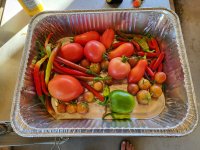
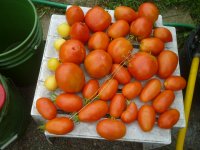
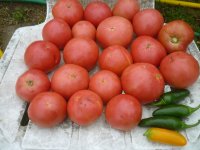
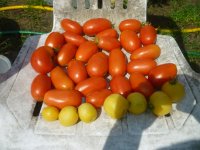
Here's my Pick/dig of the day for July 31

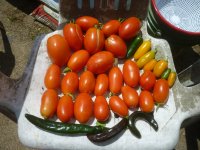
Gettin lots of maters, I think it's the fertilizer I am usin this year
The Big Roma's are Amish Paste, Love those
The smaller Roma's are gettin ate up by the deer but at least he is fertilizing as he eats
4 little yellow 2 bite maters

P1510709.JPG

The pink maters are Damsel, just can't believe hot good they have produced
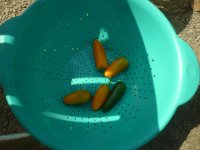
Also a few jalapeno's

P1510714.JPG

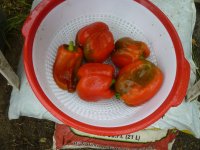
A few red bell peppers

P1510711.JPG

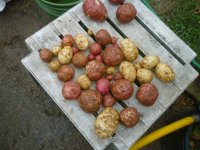
And the rest of my taders

P1510715.JPGP1510717.JPG
 

Jimi

Diamond Contributor
Member For 5 Years

💦 Are Your Containers Drying Out Too Fast?

Container Garden Setup


Container gardens can be incredibly productive, but they also need a different approach than growing in the ground. If you've ever wondered why one pot seems to dry out by lunchtime while another stays perfectly moist, there's a reason.

In this week's blog, discover simple watering principles that can help your container garden thrive. You'll learn why watering isn't just about how often you water, but understanding what your plants and containers need to stay healthy through the heat of summer.


🍓 Strawberry Success: Grow Bigger, Earlier Berries

The Thriving Gardener Monthly Garden Masterclass

with Michael Kilpatrick
Most gardeners think about strawberries in the spring. The secret to bigger, healthier harvests actually begins in the fall.

Join farmer and educator Michael Kilpatrick for this complimentary masterclass and discover why planting strawberry plugs in the fall creates stronger plants, earlier harvests, and sweeter berries next season.
📅 Tuesday, August 4
🕔 5 PM PT / 8 PM ET

In this master class, you'll learn:

🍓 How Michael's annual strawberry bed system works
🌱 Why fall is the ideal time to plant strawberry plugs
🌿The best strawberry varieties for fall planting
❄️ How to overwinter your plants successfully
☀️ How to enjoy earlier, more abundant spring harvests
❤️ Simple tips for healthier plants and sweeter berries
Whether you're planting a small backyard patch or dreaming of baskets overflowing with berries, you'll leave with a practical plan you can put into action this fall.
The Thriving Gardener Masterclass Strawberries
 

Jimi

Diamond Contributor
Member For 5 Years
🧊 Blanching & Freezing Guide
Blanching and Freeing Guide
Freezing is one of the easiest ways to enjoy your garden harvest long after the growing season ends, but most vegetables need one important step first: blanching.

We created a simple, one-page guide with recommended boiling-water and steam-blanching times for vegetables including beans, broccoli, carrots, corn, greens, zucchini, and more. Download it now and keep it handy as your harvest comes in.

Want More Help Preserving Your Harvest?


Jimi

Diamond Contributor
Member For 5 Years
🌱 Join Our Online Gardening Community


Gardening is easier (and a lot more fun) when you don't have to figure everything out on your own.

Inside the Grow Your Own Vegetables online community, you'll find weekly gardening tips, seasonal planting guidance, practical advice, and a welcoming place to ask questions, share your harvests, and connect with fellow gardeners from around the world. With more than 400 gardeners already growing together, there's always someone to celebrate successes and help solve challenges.

Whether you're growing in containers, raised beds, or a backyard garden, we'd love to welcome you!​


Jimi

Diamond Contributor
Member For 5 Years
mail
mail
mail
mail
mail
mail
mail
mail
If you've been putting off registering, here's what you'll walk away with:
  • Why chronic inflammation, not genetics, is the real root cause of most chronic disease, and how food can turn it on or off
  • Why plant-based diets aren't all created equal, and the biggest mistake people make that stalls their weight loss
  • The truth about protein, cholesterol, and blood sugar that most doctors never get time to explain
  • A doable, step-by-step way to make lasting changes without feeling overwhelmed or deprived
I created this class because I watched my dad struggle with heart disease, high blood pressure, and Alzheimer's, and I later learned that much of it may have been preventable.
I don't want you to learn that lesson the hard way, like I did.
I'll also be sharing how you can get access to my Ultimate Plant-Powered Cooking Bundle, a $597 value, free.
But registration closes soon, so if you've been on the fence, now's the time.

Watch the class now→ (multiple times available)
I really hope to see you there, Kim
P.S. You can't make progress on a decision you keep putting off. Grab your spot before it's gone.
 

Jimi

Diamond Contributor
Member For 5 Years
What if your best strawberry harvest actually started this fall?

Most gardeners wait until spring to plant strawberries, but planting in the fall can give your plants a major head start for healthier growth, earlier harvests, and bigger, sweeter berries.

This month's Thriving Gardener: Monthly Garden Masterclass features farmer and educator Michael Kilpatrick, founder of Small Farm University and host of the Thriving Farmer podcast. Michael has helped thousands of growers create simple, productive systems that produce abundant harvests.

🗓️ Date: Tuesday, August 4th
🕐 Time: 5pm PT / 8pm ET
🎥 Topic: Strawberry Success: Grow Bigger, Earlier Berries

>> Save your spot and join us LIVE

Thriving Gardener with Greg Peterson

In this free masterclass, Michael will share why planting strawberry plugs in the fall is one of the best investments you can make for next year's harvest.

Here's what you'll discover:

🍓 How the annual strawberry bed system works
🍓 Why fall is the ideal time to plant strawberry plugs
🍓 The best strawberry varieties for fall planting
🍓 How to have healthier plants & to successfully overwinter your plants
🍓 Tips for sweeter berries, and an earlier spring harvest

Whether you're planting a small backyard patch or hoping to harvest bowls full of fresh strawberries, this class will give you a practical plan you can put into action this season.


>> Reserve Your Complimentary Spot Today

We'd love to see you there!

To your thriving garden,

🌱 The Grow Your Own Vegetables Team 🌱
 

Jimi

Diamond Contributor
Member For 5 Years
Hi Jimi,


Some of the best recipes don't begin in the kitchen.

They begin months earlier, with healthy soil, sunshine, and tomatoes picked at just the right moment.

One of the questions we receive often is, "What makes Stacey's pasta sauce 'prize-winning?" In this week's blog, we learn the secret behind it!

Stacey shares a few favorite ingredients ... the real secret starts in the garden! Her simple philosophy behind this favorite garden pasta sauce, and why growing your own ingredients makes every meal a little more special.

>> Read today's new blog🍅 The Secret Behind Stacey's Famous Garden Pasta Sauce

Wishing you a delicious week,

🌱 The Grow Your Own Vegetables Team 🌱

P.S. This week's Sunday Garden Comic is a reminder that every great recipe begins with a happy garden.
Sunday Garden Comic
 
Last edited:

Jimi

Diamond Contributor
Member For 5 Years
Ok here's my pick of the day for Aug 3

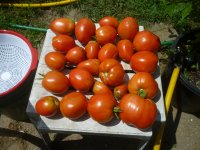
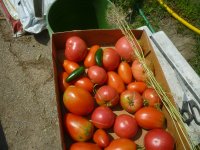
A few Amish paste maters
some of my other roma maters
Some jalapeno's
and some WTH peppers

P1510719.JPG
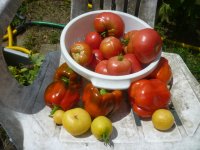
More Amish paste maters

P1510720.JPG

In the bowl are Damsel maters
5 red bell peppers
and some yellow 2 bite maters

P1510721.JPG

Here's some reasons I always get Amish paste maters
1, they are heirloom, the seeds will produce the same fine product as the parents
2. they are very meaty, the meatiest I have seen
3.very few seeds, makes life much easier when makin sauces/paste/catsup/etc. (these make a fantastic spaghetti and pizza sauce
4 they taste outstanding, good enough to use as slicers too
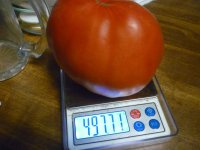
% they can get pretty big, Look below, I've had bigger

P1510722.JPG
 

Jimi

Diamond Contributor
Member For 5 Years
Original photo by Prudence Earl/ Unsplash​

Plants make sounds when they’re stressed.​

For those of us not blessed with a green thumb, it’d certainly be helpful if our plant friends could tell us when they need attention. Well, it turns out they do. We just can’t hear them. In 2023, researchers found that plants emit frequent pops and clicks when they’re stressed — for example, cut or dehydrated. But a few mysteries remain.
 

Jimi

Diamond Contributor
Member For 5 Years
Hi Jimi,


Strawberries may feel like a spring gardening project, but waiting until spring could mean missing the best opportunity to give your plants a strong start.

In this month’s free Thriving Gardener Masterclass, farmer and educator Michael Kilpatrick will explain why planting strawberry plugs in the fall can lead to healthier plants, an earlier harvest, and bigger, sweeter berries next spring.

🗓️ Date: Tuesday, August 4
🕐 Time: 5pm PT / 8pm ET
🎥 Topic: Strawberry Success: Grow Bigger, Earlier Berries

>> Save your spot and join us LIVE


Michael will walk you through his annual strawberry bed system, including:

🍓 Why fall is the ideal time to plant strawberry plugs
🍓 Which varieties are best for fall planting
🍓 How to help your plants survive the winter
🍓 What gives strawberries an earlier start in spring
🍓 How to grow healthier plants and more abundant berries

Whether you want a small backyard strawberry patch or enough berries to fill bowl after bowl, you’ll leave with a practical plan for getting started this fall.

>> Reserve Your Spot for Tomorrow's Masterclass Now

We hope you'll join us!

To your thriving garden,

🌱 The Grow Your Own Vegetables Team 🌱
 

Jimi

Diamond Contributor
Member For 5 Years
Ok here's my Pick of the day for Aug 4

Not much today but I did plant 8 rows of greenbeans and 6 short rows of chard
Swiss Chard is kinda an old thing and has somewhat fased out (because of the price I think) but it has as much nutrients and minerals as spinach.
But anyway here's what I picked today

A few Amish Paste maters
a few Damsel maters
a couple jalapenos
some of my other Roma type maters, (these are determinate and did put out good numbers, still I like the Amish Paste far better
and some spraigs of Dill, I love dill

P1510724.JPG
 

Gardening has changed a lot over the years. More people are paying attention to how their gardening habits affect the environment, and I have noticed that sustainable gardening is becoming a common topic among home gardeners. Instead of focusing only on growing plants, many people now want to reduce waste, save water, and create healthier outdoor spaces. As gardening communities continue to grow, sustainable methods are becoming part of everyday gardening routines. Even while reading about different hobbies online, I often come across products , showing how people are interested in making informed choices across many areas of their lives.


Why More People Are Choosing Sustainable Gardening​

Sustainable gardening focuses on working with nature rather than against it. The goal is to create a garden that uses resources efficiently while supporting local ecosystems. This approach has gained attention because many gardeners want practical ways to reduce environmental impact without making gardening more complicated.

Several factors are contributing to its growing popularity:

  • Increased awareness of environmental issues
  • Rising interest in home-grown food
  • Concerns about water conservation
  • Desire to reduce household waste
  • Availability of educational resources online
  • Community gardening initiatives
Many gardeners discover that sustainable methods can also reduce long-term costs. By composting kitchen scraps, collecting rainwater, and improving soil naturally, I can often spend less on fertilizers and other gardening supplies.

The Benefits of Sustainable Gardening​

Sustainable gardening offers advantages that go beyond environmental protection. These practices often create stronger plants and healthier soil while making gardens easier to maintain over time.

Some key benefits include:

  • Improved soil quality
  • Better water retention
  • Reduced reliance on chemical products
  • Increased biodiversity
  • Lower gardening expenses
  • Healthier growing conditions for plants
When soil receives regular organic matter through composting, it becomes more productive. Healthy soil supports beneficial organisms that help plants grow naturally. This creates a balanced environment where plants can thrive with fewer interventions.

Another advantage is water conservation. Sustainable gardens often use mulch, rain barrels, and drought-tolerant plants to reduce water consumption. These methods are especially valuable in regions where water resources are limited.

Common Sustainable Gardening Practices​

Composting and Natural Soil Improvement​

One of the most widely adopted sustainable gardening methods is composting. Instead of throwing away organic waste, many gardeners turn food scraps, leaves, and grass clippings into nutrient-rich compost.

Materials commonly used for composting include:

  • Fruit and vegetable scraps
  • Dry leaves
  • Grass clippings
  • Coffee grounds
  • Eggshells
  • Small plant trimmings
Compost improves soil structure and adds nutrients without requiring synthetic fertilizers. I find that composting helps reduce household waste while providing a useful resource for the garden.

Natural soil improvement methods are also becoming more popular. Gardeners are using compost, manure, and organic mulches to maintain soil health. These materials encourage beneficial microorganisms that support plant growth.

The growth of online gardening communities has helped spread awareness about these practices. Gardeners can easily share experiences, tips, and results, making sustainable techniques more accessible than ever before.

Water Conservation and Smart Gardening​

Water conservation is another major reason sustainable gardening continues to gain popularity. Many gardeners are looking for ways to maintain healthy plants while using less water.

Popular water-saving strategies include:

  • Installing drip irrigation systems
  • Collecting rainwater
  • Using mulch around plants
  • Choosing drought-resistant plants
  • Watering during cooler parts of the day
  • Grouping plants with similar water needs
These methods help reduce water waste while supporting plant health. As water costs increase in some areas, efficient watering practices become even more attractive.

I have also noticed that many gardeners now focus on selecting plants that naturally grow well in their local climate. Native plants often require less maintenance, less water, and fewer fertilizers compared to non-native species.

Around the middle of my research into gardening trends. This highlights how digital communities bring together people with many different interests while sharing practical information.

Supporting Local Wildlife and Biodiversity​

A growing number of gardeners are creating spaces that support birds, bees, butterflies, and other beneficial wildlife. This approach plays an important role in sustainable gardening because healthy ecosystems contribute to stronger gardens.

Ways gardeners support biodiversity include:

  • Planting native flowers
  • Avoiding unnecessary pesticides
  • Creating pollinator-friendly spaces
  • Providing water sources for wildlife
  • Maintaining diverse plant varieties
  • Preserving natural habitats when possible
Pollinators are essential for many fruits and vegetables. By creating environments that attract these species, gardeners can improve plant productivity while supporting local ecosystems.

Biodiversity also helps reduce pest problems naturally. A variety of insects, birds, and organisms often creates balance within the garden, reducing the need for chemical treatments.

Community gardens have become important examples of sustainable gardening in action. These shared spaces allow people to learn environmentally responsible practices while producing food locally. They also encourage education and cooperation among gardeners of different experience levels.

Technology and Education Are Driving Growth​

Technology has played a major role in expanding interest in sustainable gardening. Gardeners now have access to online resources, mobile applications, video tutorials, and digital communities that provide guidance on environmentally friendly practices.

Educational resources help gardeners learn about:

  • Composting techniques
  • Organic pest management
  • Water-saving systems
  • Soil health improvement
  • Native plant selection
  • Seasonal gardening strategies
The availability of information makes sustainable gardening easier for beginners. Instead of relying on trial and error alone, gardeners can quickly find practical solutions to common challenges.

Social media platforms and gardening forums also contribute to the movement's growth. People regularly share success stories, garden transformations, and sustainability tips. These examples encourage others to adopt similar practices in their own gardens.

As sustainable living continues to attract attention, gardening remains one of the most accessible ways to participate. Whether growing vegetables in a backyard, maintaining a small balcony garden, or volunteering in a community plot, gardeners can make meaningful contributions through everyday choices.

In conclusion, sustainable gardening practices are gaining popularity because they offer practical benefits for both gardeners and the environment. Improved soil health, water conservation, biodiversity support, and reduced waste make these methods appealing to people seeking long-term gardening success. I believe the trend will continue as more individuals recognize the value of creating gardens that work with natural systems. As I explore different gardening topics and online communities, I occasionally come across products, but the consistent message within gardening circles remains clear: sustainable practices help create healthier gardens and more responsible use of resources for the future.


This post was moved by a moderator, and all spam links removed

 

Attachments

  • 1786096380058.png
    1786096380058.png
    1.7 MB · Views: 1
Last edited by a moderator:

Jimi

Diamond Contributor
Member For 5 Years

📅 Create a Garden Routine That Actually Fits Your Life


Some gardeners spend a little time outside each morning. Others have one longer garden day each week. There isn't one "right" schedule … only the one that fits your life.

In this week's featured article, we share a simple weekly garden schedule that breaks gardening into manageable sessions for observation, maintenance, harvesting, and follow-up tasks. Plus, you can download our free printable Weekly Garden Schedule to adapt for your own garden.

🫙Enjoy Your Harvest All Year Long

Whether your garden is overflowing or you are bringing home fresh produce from the farmers market, a simple preservation plan can help you enjoy those flavors long after the season ends.

In the complimentary masterclass, 3 Strategies for Preserving and Storing the Harvest, garden educator Stacey Murphy shares a simple system for choosing preservation methods that fit your time, space, and lifestyle.

You’ll explore practical options including freezing, drying, dehydrating, pickling, fermenting, canning, curing, and storing. You’ll also receive the Quick Guide to Preserving the Harvest to help you compare the different methods and decide where to begin.
Free Masterclass Preserving and Storing the Harvest
🍓 Missed Tuesday's Live Masterclass?
Thriving Gardener Masterclass Strawberries
If you couldn't join us live, we've got you covered! Michael Kilpatrick shared practical strategies for growing healthier strawberry plants, choosing varieties that perform well, and creating a system for bigger, sweeter harvests year after year.

Whether you're planting your first strawberry patch or looking to improve the one you already have, you'll come away with ideas you can put to use in your own garden.
 

Jimi

Diamond Contributor
Member For 5 Years
🦶 Take a 10-Minute Garden Walk


Before you reach for your gloves or pruners, spend just 10 minutes walking through your garden. Sometimes the most valuable thing you can do is simply slow down and observe.
🌱 New growth or first flowers
🐞 Beneficial insects and pollinators
🍅 Vegetables ready to harvest
🍂 Early signs of pests, disease, or plant stress
💧 Soil moisture and watering needs

If you keep a garden journal, jot down the date and a few notes about what you observed. Over time, you'll begin to see seasonal patterns, remember what worked well, and recognize recurring challenges before they become bigger problems. It's one of the simplest ways to become a more confident gardener.​


🪻In the Garden

There's something inviting about a garden path. It reminds me that every visit doesn't have to be a marathon of weeding and harvesting. Sometimes it's enough to simply wander, notice what's changed, and enjoy the abundance that's been growing all season.

Whether you spend 10 minutes or two hours in your garden this week, I hope you take a moment to slow down and appreciate how far it's come.
https://stratus.campaign-image.com/images/1513905000087047003_zc_v1_1785878222302_my_garden_smaller_.jpg

Every season in the garden has its own rhythm, and August is a wonderful reminder that gardening isn't just about the harvest … it's about the journey that brought you there.

Whether you're picking your first tomato, filling your freezer with garden goodness, or simply taking a quiet walk through the beds, every small step adds up over time.

Thank you for letting us be part of your gardening adventure. We hope this week's newsletter inspires you to enjoy the season, celebrate your progress, and keep growing with confidence.

Happy Gardening!


🌱 The Grow Your Own Vegetables Team 🌱
 

Jimi

Diamond Contributor
Member For 5 Years
Here's my Pick of the day for Aug 7

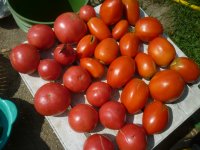
Top picture is Amish Paste maters (red)
and damsel maters (pink)
The butterfly just landed there

P1510728.JPG

These are the other Roma type maters I grew
And some yellow 2 bite maters

P1510731.JPG

A few Jalapenos, would be many more if the deer would leave the plants alone

P1510729.JPG

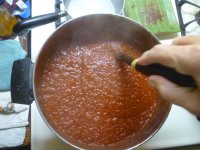
I didn't get to post yesterdays pick but some of it is in this batch of catsup I made with them

P1510726.JPG
 

VU Sponsors

Top