Know Sleep Apnea Dangers, Risk Factors
By Chauncey Crandall, M.D.
Sleep apnea is a potentially serious sleep disorder in which breathing repeatedly stops and starts. If you snore loudly and feel tired even after a full night's sleep, you might have sleep apnea.
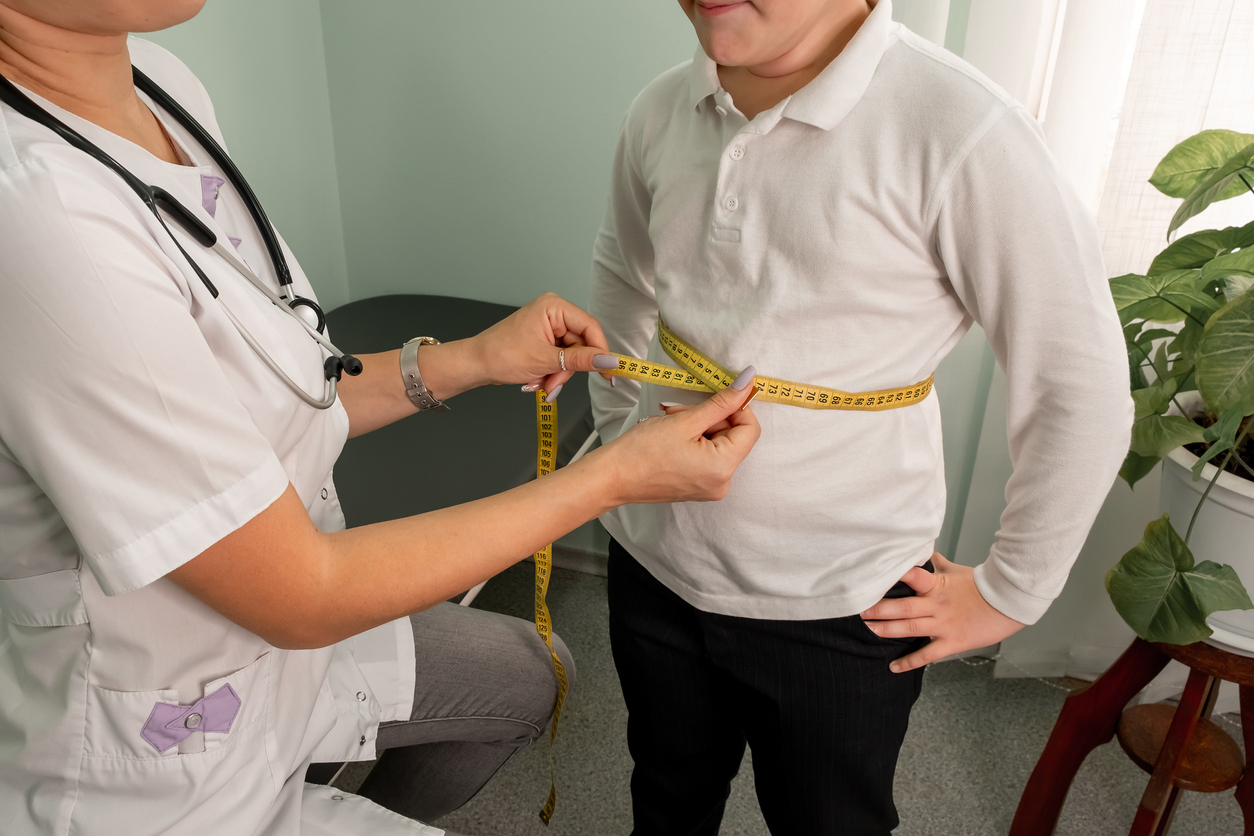
Anything that could narrow your airway such as obesity, large tonsils, or changes in your hormone levels can increase your risk for obstructive sleep apnea.
Special: Why Those Over 50 Should Take Sleep Issues Seriously
It’s dangerous because it can cause several different complications, many of which are severe or life-threatening. These include heart damage and heart failure. Sleep apnea causes an increase in pressure in the blood vessels around your heart and on some of the chambers of your heart itself.
The following are the risk factors for sleep apnea:
By Chauncey Crandall, M.D.
Sleep apnea is a potentially serious sleep disorder in which breathing repeatedly stops and starts. If you snore loudly and feel tired even after a full night's sleep, you might have sleep apnea.
Anything that could narrow your airway such as obesity, large tonsils, or changes in your hormone levels can increase your risk for obstructive sleep apnea.
Special: Why Those Over 50 Should Take Sleep Issues Seriously
It’s dangerous because it can cause several different complications, many of which are severe or life-threatening. These include heart damage and heart failure. Sleep apnea causes an increase in pressure in the blood vessels around your heart and on some of the chambers of your heart itself.
The following are the risk factors for sleep apnea:
- Being male. Most sleep apnea victims are men, although women can develop it, usually if they are overweight or post-menopausal
- Family history of sleep apnea
- Smoking
- Obesity
- Thick neck circumference
- A narrowed airway, either from a naturally thin neck, or enlarged tonsils or adenoids
- Being over the age of 60, though people of any age can develop it, even children
- Allergies or other breathing problems









 Resistance exercise
 Want to learn more great tips? Follow me on instagram:






 That's right, lovely human – Akasha and I bring it home to the body on this week's Reclamation Radio, and you've got to give it a listen!
 What does “emotional alchemy” even mean?!

 Reclamation Radio episode with my guest, Akasha, as we tap into Emotional Alchemy and heal the disconnection between our bodies and our feelings.