Become a Patron!

Jimi's Daily Health Articles

Jimi

Diamond Contributor
Member For 5 Years
mail
mail
HerbMentor Radio
mail
mail

mail

Is inflammation really the root of all our problems?​

mail
mail
Rosalee de la Forêt
mail
mail
mail
In this week’s HerbMentor Radio episode, Tara and John sit down with clinical herbalist and best-selling author Rosalee de la Forêt to unpack one of today’s buzziest health topics: inflammation.
If you’ve ever felt confused by all the headlines—“this herb cures inflammation!”—or wondered what inflammation actually is, this episode will give you the clarity (and calm) you’ve been craving.
Rosalee covers...
  • The difference between acute and chronic inflammation—and why not all inflammation is bad.
  • How chronic inflammation shows up as brain fog, fatigue, skin issues, digestive trouble, pain, and more.
  • Why turmeric isn’t the miracle herb for everyone (and what to try instead).
  • A gentle, joyful approach to healing that moves beyond restrictive diets and expensive supplements.
Rosalee also shares her personal healing story, what inspired her book Wild Remedies, and how her love of Tori Amos helped bring it to life.
Get real insight into inflammation—and how to support your body with herbs, food, and joy...
mail
 

Jimi

Diamond Contributor
Member For 5 Years
 

Jimi

Diamond Contributor
Member For 5 Years
What is Environmentally Acquired Illness?​
In today’s industrialized world, we are constantly exposed to an unprecedented array of environmental toxins. From the air we breathe to the products we use daily, our bodies face a chemical onslaught that can gradually undermine our health.

Environmentally Acquired Illness (EAI) represents a growing health concern that remains largely unrecognized within conventional medicine, despite mounting evidence of its impact on millions of lives worldwide. These invisible threats can trigger profound physiological responses in sensitive individuals, yet they remain unrecognized by conventional medicine, which currently lacks adequate testing methods to validate these complex, multisystem reactions.

Our latest article highlights:
  • Common causes and lesser-known contributors to EAI
  • Diagnostic challenges and testing
  • Complexity of multiple exposures
  • The biological mechanism of EAI
  • The role of EAI in complex chronic illness
mail

Understanding the Sinus-Cognition Connection​

with Dr. Parpia​

When most people think about their sinuses, they might consider allergies or the occasional stuffy nose. But what Dr. Parpia has seen in her practice goes far beyond these common complaints.

Patients with chronic sinus inflammation inevitably have chronic brain issues as well. It’s a correlation that’s not widely recognized in conventional medicine, but it’s one that she sees daily in her patient population.

Dr. Parpia shares more on "How Your Sinuses May Be Fueling Inflammation in Your Brain” in the upcoming Alzheimer’s Summit, May 13th - 17th.

  • Discover how chronic sinus inflammation can silently trigger brain fog, memory loss, and cognitive decline
  • Learn why mold, environmental toxins, and hidden infections in your sinuses could be harming your brain
  • Uncover practical, science-backed strategies to detox your sinuses, reduce brain inflammation, and improve cognition
 

Jimi

Diamond Contributor
Member For 5 Years
Supplements for a Heart-Healthy Lifestyle

By Chauncey Crandall, M.D.

Heart disease remains the No. 1 killer in the United States. But it also affects the overall health of other parts of your body, including your brain.

Every year, we’re learning more about how consistent blood flow to the brain not only helps ward off stroke, but also dementia and Alzheimer’s disease.

Special: Dr. Crandall Saved His Own Heart With This

With so much of your overall health and well-being depending on your heart, you should want to do everything you can to protect it.

To augment the benefits of a heart-healthy lifestyle, more people are taking, and doctors are recommending, supplements that provide some of the nutrients that are difficult to get from food alone.

Here’s a list to help you understand what supplements can enhance heart health:

  • Alpha Lipoic Acid
  • Coenzyme Q10
  • Fish Oil
  • EPA & DHA
  • Folic Acid
  • Hawthorn
  • L-Arginine
  • Magnesium
  • Niacin
  • Plant Sterols
  • Red Yeast Rice
  • Vitamins B1, B6, C, D3, B12, and E
As with all supplements, talk to your doctor first before adding them to your regimen and be sure you purchase them from a trusted source.
 

Jimi

Diamond Contributor
Member For 5 Years

Forwarded this email? Subscribe here for more

Opium Lettuce - Nature's Natural Pain Relief

a free 38=page e-book about wild lettuce, no e-mail address required​


In a lot of places in the temperate regions, wild lettuce will be appearing. This plant, which is usually considered a weed, has some amazing pain relief qualities (but not addictive). The plant is easy to identify, harvesting is simple, and making the tincture is straightforward.
I like tincturing useful medicines and stocking up on them now as tinctures last for decades. You are basically preserving the medicinal value of a plant in alcohol.​
 

Jimi

Diamond Contributor
Member For 5 Years
 

Jimi

Diamond Contributor
Member For 5 Years
check out these recent episodes from Rosie Radio:


Jimi

Diamond Contributor
Member For 5 Years

FEATURED ARTICLES​

Image

Garlic Beats Drug in Detoxifying Lead Safely From Body​

Garlic is used the world over as a culinary spice, but recent research indicates that among its 100+ medicinal properties it is far safer and more effective than a commonly used chelation drug in pulling lead out of the human body.
Image

The Fall of a Weaponized Term: "Anti-Vaxxer" and the Twilight of a Myth​

How 'anti-vaxxer' became a weapon of myth — and why sovereignty survives its collapse.
 

Bliss Doubt

Diamond Contributor
Member For 5 Years
Factory farm antibiotic abuse fuels deadly superbug surge:


Jimi

Diamond Contributor
Member For 5 Years
Seniors Benefit From High CoQ10

By Dr. David Brownstein, M.D., writes:


Scientists looked at men and women ages 65 and older in order to study the relationship between CoQ10 blood levels and physical activity and capacity in elderly people. The study, which appeared in the journal Antioxidants, reported that high CoQ10 levels were directly associated with less cardiovascular risk.

Furthermore, high CoQ10 levels were found in people with greater physical activity and stronger muscle capacity.

CoQ10 also showed a strong inverse relationship to sedentarism and frailty. Stronger correlations were found in women.

Special: Dr. Crandall Saved His Own Heart With This

CoQ10 is a vitamin-like molecule that is actually produced in the body. It is made downstream from cholesterol. Therefore, we need an adequate amount of cholesterol in the body in order to manufacture CoQ10.

Drugs that lower cholesterol levels are directly associated with low levels of CoQ10, which is concentrated in the muscles, where it is needed for cell metabolism and energy production.

Specifically, it is found in the mitochondria of cells, which produce energy.

Deficiency of CoQ10 leads to low energy production and fatigue. Statin drugs poison an enzyme called HmG-CoA reductase. When a statin is taken, the HMG-CoA reductase enzyme is poisoned and cholesterol production declines. Downstream metabolites from cholesterol, such as CoQ10, also decline.

As CoQ10 levels fall with statin use, CoQ10 will decline in mitochondria, leading to low energy production and fatigue.

As CoQ10 levels in muscles fall, this will manifest as aching muscles. It should be no surprise that two of the most common side effects from taking statins are fatigue and muscle pain.

Statins lower the risk for nonfatal strokes and heart attacks by about 1% for those who have no cardiac history and by approximately 3% for patients with a cardiac history. When the side effect profile of statins is reviewed, I simply cannot understand why so many people are taking statin medications
 

Jimi

Diamond Contributor
Member For 5 Years
Featured Article
The Chilling Truth: What Science Says About Cold Plunges
You've likely seen the buzz online: ice baths, cold plunges, and frigid showers promising everything from boosted mood and faster recovery to reduced inflammation and enhanced metabolism. Cold Water Therapy (CWT) has exploded in popularity, championed by athletes, biohackers, and wellness influencers alike as a potent tool for physical and mental optimization.
The practice works by intentionally stressing the body with cold, triggering a cascade of physiological responses. This includes constricting blood vessels, activating the nervous system, and causing a significant surge in hormones like norepinephrine, which can increase alertness and potentially influence mood and inflammation. Some research does suggest CWT may help reduce perceived muscle soreness after intense exercise and provide that invigorating mental lift.
However, while the anecdotal enthusiasm is high, a recent review highlights that robust scientific backing for many broader claims—like significant weight loss via brown fat activation or profound immune system strengthening—is still developing or remains inconclusive. Furthermore, CWT isn't without risks. The initial "cold shock" can cause dangerous changes in breathing and heart rate, posing real threats, especially for individuals with underlying cardiovascular conditions.
Understanding the potential benefits alongside the genuine risks is crucial. Ready to separate the hype from the evidence and make an informed decision about whether CWT is right for you?​
 

Jimi

Diamond Contributor
Member For 5 Years
 

Jimi

Diamond Contributor
Member For 5 Years

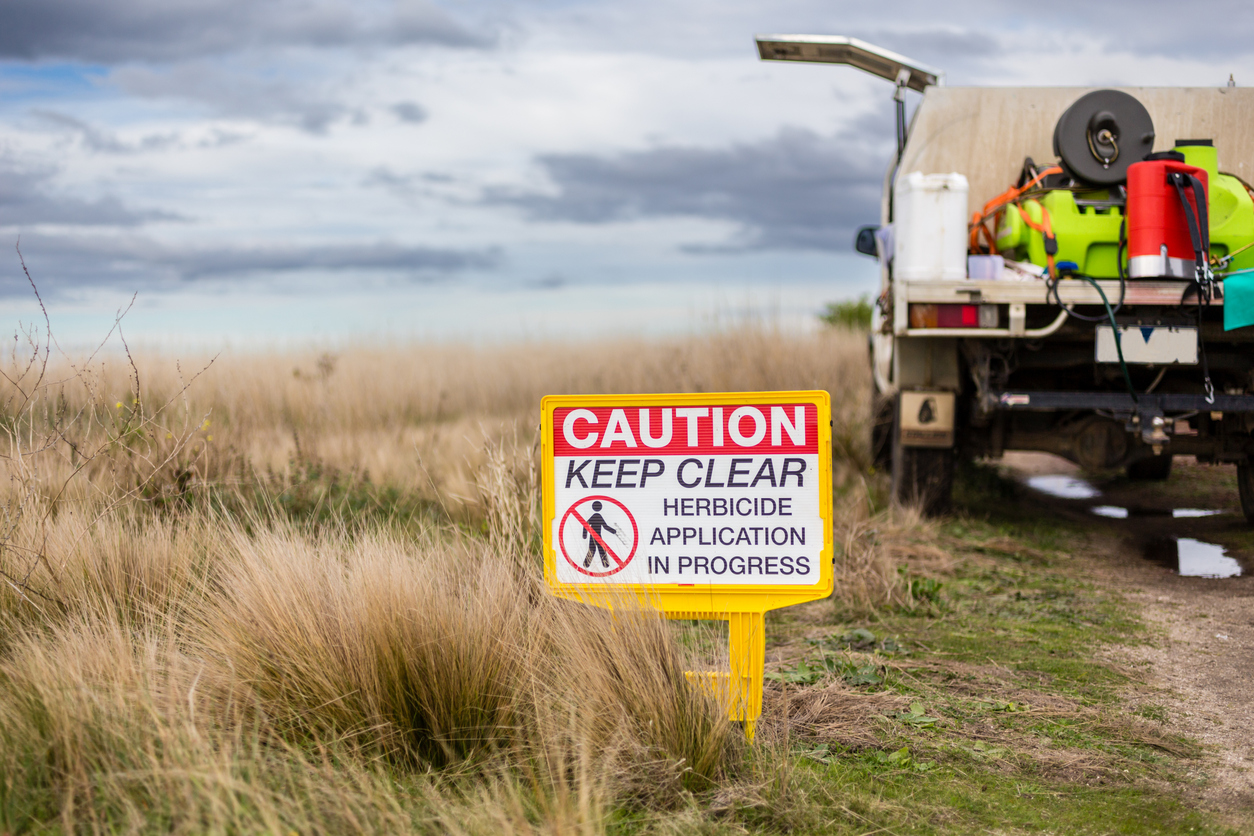
New Report Reveals No-Till’s Massive Pesticide Problem

A new report from Friends of the Earth refutes the widely held assumption that conventional no-till agriculture is “regenerative.” Based on a first-of-its-kind analysis of U.S. Department of Agriculture (USDA) data, the report finds that most no-till systems are so heavily dependent on toxic herbicides to manage weeds that a staggering one-third of the U.S.’s total annual pesticide use (a term that includes herbicides, insecticides, and fungicides) can be attributed to no- and minimum-till corn and soy production alone.
Chemical-intensive agriculture predominates in the U.S. not through the fault of farmers, but because that is what public policies and markets support. Farmers have widely adopted no-till to minimize soil erosion and now must be supported to reduce agrochemical inputs.
The cost of chemical-intensive no-till goes beyond impacts on our health: It is also destroying the soil that grows our food. The pesticides widely used in conventional no-till devastate soil health, harming the soil microbiome and invertebrates like worms and beetles, as well as essential pollinators and other wildlife. Continue reading here.

Federal Court Rules Health Canada Approval of Mad Dog Glyphosate Weedkiller as 'Unreasonable'

Environmental and health groups are celebrating a recent ruling from the Federal Court that found Health Canada’s 2022 decision to approve the glyphosate-based herbicide Mad Dog Plus was unreasonable. In their legal challenge, the groups argued that the federal regulatory agency failed to conduct a rigorous, up to date scientific assessment of glyphosate before renewing the product, despite new evidence of potential harms to human health and the environment. Glyphosate is the most heavily used herbicide in Canada and the primary chemical in many products, with an alarming 50 million kilograms per year sprayed on foods and forests.
The case was brought by Friends of the Earth Canada, the David Suzuki Foundation, Safe Food Matters, and Environmental Defense Canada, represented by lawyers from Ecojustice. After the hearing of the judicial review, an access to information request revealed that Health Canada planned a review of new glyphosate science in 2022 but proceeded to renew approvals for glyphosate products without completing this review. The planned review was not disclosed to the Court or the public. The article continues here.
 

Jimi

Diamond Contributor
Member For 5 Years

Guatemala's Indigenous Peoples Denounce GMO Threats, Defending Food Sovereignty

On April 12th, organizations of indigenous peoples, scientists and activists gathered in the Guatemalan city of Chimaltenango for the "2025 Food Sovereignty Seminar", where a powerful declaration was issued in defense of native seeds, ancestral knowledge, and the food sovereignty of the peoples of Guatemala and Mesoamerica.

Under the slogan “We care for and defend the seeds for the continuity of life”, participants denounced the growing threat posed by genetic modification technologies, particularly the recent allocation of public funds to an NGO linked to the company Semilla Nueva for the development of gene-edited maize using CRISPR-Cas technology.

The declaration reaffirms the importance of agroecology as a practice of life and resistance and firmly rejects the commodification and digitalization of indigenous knowledge. It calls for strengthened community organization and the designation of GMO-free territories. The mobilization continues, with efforts to build networks of resistance throughout the Mesoamerican region. Continue reading here from our friends at GM Watch.
 

Bliss Doubt

Diamond Contributor
Member For 5 Years
Seniors Benefit From High CoQ10

By Dr. David Brownstein, M.D., writes:


Scientists looked at men and women ages 65 and older in order to study the relationship between CoQ10 blood levels and physical activity and capacity in elderly people. The study, which appeared in the journal Antioxidants, reported that high CoQ10 levels were directly associated with less cardiovascular risk.

Furthermore, high CoQ10 levels were found in people with greater physical activity and stronger muscle capacity.

CoQ10 also showed a strong inverse relationship to sedentarism and frailty. Stronger correlations were found in women.

Special: Dr. Crandall Saved His Own Heart With This

CoQ10 is a vitamin-like molecule that is actually produced in the body. It is made downstream from cholesterol. Therefore, we need an adequate amount of cholesterol in the body in order to manufacture CoQ10.

Drugs that lower cholesterol levels are directly associated with low levels of CoQ10, which is concentrated in the muscles, where it is needed for cell metabolism and energy production.

Specifically, it is found in the mitochondria of cells, which produce energy.

Deficiency of CoQ10 leads to low energy production and fatigue. Statin drugs poison an enzyme called HmG-CoA reductase. When a statin is taken, the HMG-CoA reductase enzyme is poisoned and cholesterol production declines. Downstream metabolites from cholesterol, such as CoQ10, also decline.

As CoQ10 levels fall with statin use, CoQ10 will decline in mitochondria, leading to low energy production and fatigue.

As CoQ10 levels in muscles fall, this will manifest as aching muscles. It should be no surprise that two of the most common side effects from taking statins are fatigue and muscle pain.

Statins lower the risk for nonfatal strokes and heart attacks by about 1% for those who have no cardiac history and by approximately 3% for patients with a cardiac history. When the side effect profile of statins is reviewed, I simply cannot understand why so many people are taking statin medications

All of the cholesterol theories are being overturned. The statin drugs are downright dangerous.
 

Jimi

Diamond Contributor
Member For 5 Years
All of the cholesterol theories are being overturned. The statin drugs are downright dangerous.Ilook for more like that to show up, it's covered up by , hmmm lets see matbe Big Pharma

I look for more to show up that have been hidden by Big Pharma:mad:
 

Jimi

Diamond Contributor
Member For 5 Years
FULL LENGTH EPISODE​
Episode 422: MAKING A KILLING
EPISODE 422: MAKING A KILLING​
Del breaks down breaking news as U.S. health officials call for placebo-controlled trials before licensing new vaccines—a major shift after years of pressure from ICAN. Jefferey Jaxen reports on the fall of Davos and growing backlash against net-zero climate policies. Plus, Del sits down in-studio with Angelina Ireland to unpack the dark expansion of Canada’s controversial MAID law.
Guests: Angelina Ireland​
 

Bliss Doubt

Diamond Contributor
Member For 5 Years
EPISODE 422: MAKING A KILLING​
Del breaks down breaking news as U.S. health officials call for placebo-controlled trials before licensing new vaccines—a major shift after years of pressure from ICAN. Jefferey Jaxen reports on the fall of Davos and growing backlash against net-zero climate policies. Plus, Del sits down in-studio with Angelina Ireland to unpack the dark expansion of Canada’s controversial MAID law.
Guests: Angelina Ireland​

They could take it a step further, and withdraw approvals on all of the ones that were never placebo trialed, but that are required to attend schools, but will they? I doubt it.
 

Jimi

Diamond Contributor
Member For 5 Years
mail
Greetings!
I was recently reminded by the amazing Shereel Washington about a crucial skill we need as home herbalists: adaptability.
Imagine being away from home, falling ill, and not having your go-to herbal remedies.
What would you do?
Shereel's insight on adaptability is just one of the key teachings you'll discover in our webinar, "Folk Medicine," happening this week.
Join Shereel and herbalist Tara Ruth for an engaging conversation that demystifies the complex world of herbalism, making it accessible and easy to understand.
In this webinar, you'll explore:
  • Simplifying the Overwhelming World of Health Information: A clear framework to make herbalism straightforward and effective.
  • Affordable Herbs: Strategies for using cost-effective, yet powerful remedies.
  • Reconnecting with Herbal Roots: Ways to blend ancestral wisdom into modern health practices.
  • Transforming Your Kitchen: Practical tips to turn everyday ingredients into healing remedies.
  • Becoming an Adaptive Herbalist: The importance of thinking on your feet in herbalism.
mail
mail
mail
Folk Medicine
mail
mail
mail
mail
Don't miss "Folk Medicine: How to Integrate Ancestral Herbal Wisdom into Everyday Life," showing this Thursday and Friday, May 8 and 9.
This interview could be the key to unlocking a clearer understanding of herbalism—I sure wish I had these insights when I started!
Register here to join us for an enlightening experience.
Looking forward to seeing you there!
In health,
John Gallagher
LearningHerbs
 

Jimi

Diamond Contributor
Member For 5 Years

FEATURED ARTICLES​

Image

Why Black Cohosh Works Better Than Prozac for Menopause—Without the Side Effects​

Before reaching for risky pharmaceuticals, discover how black cohosh can naturally ease menopause symptoms—backed by science and free from harmful side effects.
Image

Can Ginger Beat Out The Multi-Billion Dollar Acid Blockers?​

Did you know that the multi-billion drug category known as "acid blockers," despite being used by millions around the world daily, may not work as well as the humble ginger plant in relieving symptoms of indigestion and heartburn?
 

VU Sponsors

Top