
Become a Patron!
You are using an out of date browser. It may not display this or other websites correctly.
You should upgrade or use an alternative browser.
You should upgrade or use an alternative browser.
Jimi's Daily Health Articles
- Thread starter Jimi
- Start date

What is the Healthiest Wine to Drink?
What is the Healthiest Wine to Drink?
I do believe there is a healthiest wine. I am going to lay out the criteria you should look for when picking a healthy wine to enjoy!
 drjockers.com
Germ Theory vs Terrain Theory of Health & Disease
Germ Theory vs Terrain Theory of Health & Disease
This article will discuss the origins and philosophy behind the germ theory and terrain theory of health to make good health decisions.
drjockers.com
The 16 Best Foods for Liver Health
The 16 Best Foods for Liver Health
Simply consuming these foods on a regular basis can help maximize detoxification and drastically lower your risk of liver disease.
drjockers.com
Immune Boosters: 12 Natural Immune System Modulators
Immune Boosters: 12 Natural Immune System Modulators
There are many immune boosters. Only a select few are immune modulators, however. This is a distinction that can make a huge impact!
drjockers.com
|

|
|
|

|
|

BREAKING: FDA announces 2 deaths of Pfizer vaccine trial participants from "serious adverse events"
BREAKING: FDA announces 2 deaths of Pfizer vaccine trial participants from "serious adverse events"
Following only a day after our report that the FDA knows about and is preparing for possible COVID-19 vaccine adverse outcomes which include deaths, a newly released document on the FDA website shows that 2 participants died as a result of "serious adverse events" from the experimental Covid...
Cardiac Rehab Underutilized, Can Lower Death Risk
By Chauncey Crandall, M.D.
Participating in a cardiac rehabilitation program can decrease the risk of a recurrent heart attack and death. But only one-fifth of the patients who could benefit are referred, analysis shows.
According to Vera Bittner, M.D., who gave a presentation at an American College of Cardiology Scientific session, 15% of men and 22% of women ages 45 to 64, and 22% of people over 65 who have suffered a heart attack, will suffer another heart attack or die from a coronary event.
Special: Report: 2 Warning Signs of Sudden Cardiac Death
However, updated analysis shows those who attended a cardiac rehab program had a 35% lower risk of death.
Previous research had shown a nearly 80% survival rate after three years for those who participated in cardiac rehab, compared to 64% for those who did not. This included a 25% reduction in risk of suffering another heart attack.
Bittner said the biggest barrier to a patient enrolling in cardiac rehab is lack of physician referral.
“I don’t think there is a full appreciation within the medical community for how much the contemporary cardiac rehab program does and how much of an impact it has on mortality and morbidity,” she said.
A typical cardiac rehab program consists of 36 sessions during a 12-week period, and includes lifestyle counseling, medication education, increasing functional capacity through exercise, and learning how to evaluate and reduce stress.
If you’ve had a heart attack or have undergone bypass surgery or stenting, definitely discuss enrolling in a program with your doctor.
By Chauncey Crandall, M.D.
Participating in a cardiac rehabilitation program can decrease the risk of a recurrent heart attack and death. But only one-fifth of the patients who could benefit are referred, analysis shows.
According to Vera Bittner, M.D., who gave a presentation at an American College of Cardiology Scientific session, 15% of men and 22% of women ages 45 to 64, and 22% of people over 65 who have suffered a heart attack, will suffer another heart attack or die from a coronary event.
Special: Report: 2 Warning Signs of Sudden Cardiac Death
However, updated analysis shows those who attended a cardiac rehab program had a 35% lower risk of death.
Previous research had shown a nearly 80% survival rate after three years for those who participated in cardiac rehab, compared to 64% for those who did not. This included a 25% reduction in risk of suffering another heart attack.
Bittner said the biggest barrier to a patient enrolling in cardiac rehab is lack of physician referral.
“I don’t think there is a full appreciation within the medical community for how much the contemporary cardiac rehab program does and how much of an impact it has on mortality and morbidity,” she said.
A typical cardiac rehab program consists of 36 sessions during a 12-week period, and includes lifestyle counseling, medication education, increasing functional capacity through exercise, and learning how to evaluate and reduce stress.
If you’ve had a heart attack or have undergone bypass surgery or stenting, definitely discuss enrolling in a program with your doctor.

|


Feeling Lousy? Feel Better!
POSTED ON DECEMBER 8, 2020 BY DR. PATRICK JONES

08
Dec
Within the armamentarium of herbal wonderments available to help with life’s ills are many herbs that stimulate immunity, many that inhibit or kill bacteria, and even some that directly interfere with viral attachment to cells and with virus replication. But when I feel sick there is one herb, an herb which does none of those wonderful things, to which I always turn. Rehmannia.
Rehmannia glutinosa is a plant with some remarkable properties many of which I make good use of in my herb formulas. Let’s Dive into some of my favorite healing properties of this little fellow.
Rehmannia Builds Blood
One of the properties which I use in my Blood Builder formula is Rehmannia’s ability to support patients suffering from anemia. Research shows that it may be particularly beneficial in cases of anemia that accompany chemotherapy for cancer patients.
Rehmannia Lowers Blood Sugar
There is also good evidence that Rehmannia can help to lower blood sugars. It can reportedly be helpful for folks that are in the early stages of diabetes. People taking insulin or other medications that lower blood sugar, or people prone to low blood sugar for other reasons, should avoid herbs like Rehmannia as its additive effect to medications they’re already taking may cause problems.
Rehmannia May Help Osteoporosis
In addition to building blood, Rehmannia also helps to build bone particularly in post-menopausal women who may be struggling with osteoporosis. Numerous studies have shown Rehmannia‘s ability to positively benefit osteoporosis patients through a variety of mechanisms.
Neuroprotective Functions.
Rehmannia also has some neuroprotective functions and can be helpful in brain injury and stroke cases. Recent studies have also shown that it can play a positive role in dementia and Alzheimer’s patients.
Rehmannia And Inflammation
Rehmannia has some important immune-modulating properties that help the immune system to function properly. I’ve used it in allergy cases, dermatitis flare-ups, and perhaps most importantly, in autoimmune cases. There is good research to support Rehmannia’s benefits in a number of autoimmune conditions like rheumatoid arthritis, lupus, fibromyalgia, etc…
Rehmannia And The Kidneys
I also use Rehmannia to support and restore the kidneys. There are a lot of herbs that’ll make you pee more…diuretics like dandelion, burdock, and parsley can all be beneficial for bladder infections and kidney stones by increasing urine output and flushing the system. But Rehmannia belongs to an elite and special category of kidney restorative herbs like astragalus, chamomile, and nettle seed that can actually support and heal the kidneys when they are struggling.
Adrenal Support With Rehmannia
Rehmannia is also an excellent supporter of the adrenal glands. In addition to containing many chemical building blocks to help these glands produce what they need to produce, it also supports the glands generally. I find it helpful for folks suffering from stress and adrenal fatigue.
So, Why Does Doc Take Rehmannia When He Feels Lousy?
Good question. While Rehmannia certainly has some good benefits (as mentioned above) The reason I usually take it is that it just makes me feel better when I’m sick. For me (and many others), Rehmannia eliminates that weak, miserable, malaise that invariably accompanies any sort of illness. Whether it’s the immune-modulatory properties, the anti-inflammatory properties, or the adrenal support functions I don’t know for sure. What I do know is that when I’m under the weather and take some Rehmannia I feel much, much better. So much better in fact, that I have to remind myself that I’m sick and probably shouldn’t go to work and get everyone else sick even though I feel pretty good. Oh, and one more thing…Rehmannia is, in my professional herbalist opinion, the best tasting herb of all. Yup, it’s delicious AND it makes you feel better.
Don’t take Rehmannia if you’re pregnant or nursing. Don’t take it if you are diabetic and taking meds. Don’t combine it with blood thinners. Don’t take it if you have liver disease or GI issues or if you have surgery coming up in the next week or so. Otherwise, I find it to be a remarkably effective and safe addition to solve a number of problems and, of course, to make you feel better when you feel lousy.
Doc Jones
Click Here to See Our Rehmannia Formulas
If you’re as excited about Rehmannia as I am, join me for a more in-depth look at the functions and properties of this extraordinary little plant on YOUTUBE. We’ll be hosting a free webinar on January 8th at 6 PM MST.
Learn More about this event HERE
VAX ATTACKS: The new mRNA coronavirus vaccines will likely cause immune cells to attack placenta cells, causing female infertility, miscarriage or birth defects

VAX ATTACKS: The new mRNA coronavirus vaccines will likely cause immune cells to attack placenta cells, causing female infertility, miscarriage or birth defects – NaturalNews.com
Two brave doctors, Dr. Wolfgang Wodarg and Dr. Michael Yeadon, have issued a motion for administrative and regulatory action to the European Medicines Agency (EMA) regarding the new mRNA coronavirus vaccines developed by Pfizer/BioNTech. They warn that the vaccines can attack placenta cells...
|
|
5 Tips for a Toxin-Free Home
5 Tips for a Toxin-Free Home - Breast Cancer Conqueror
The year 2020 found us spending more time than usual in our homes. That means that creating a toxin-free home is more important now than ever.
Today's Motivation
Wednesday
December 09, 2020Don't let worry control you. Try changing the way you respond to an adverse situation. Adjust your attitude. Put some space between the event and your reaction. Look for the good in all situations. Let all the extra stress, and overthinking go. Take a moment to breathe and think before you act. Realize you are in control of your thoughts. You get to decide how good or bad the situation is. Everything is all in how you look at it.
How to Restore Your Pet’s Gut After Antibiotics

How to Restore Your Pet’s Gut After Antibiotics
This article has been medically reviewed by Dr. Charles Penick, MD There is a general rise in awareness that antibiotics can have some pretty detrimental side effects for short and long-term health. Although the breakthrough science and focus on gut health is for humans, it is just as important...
 revelationhealth.com
| ||
| ||
| ||
| ||
|


*-- Exercises for Your Knees --*
Just like with any other exercise it is so important that you warm up first! You can ride a stationary bike for about 5 minutes, take a brisk 2-minute walk while pumping your arms, or do 15-20 wall push-ups followed by the same number of calf raises. Doing this will help you get more out of your workout, prepare you to stretch, and lower your risk of an injury.If your knee's not at its best, start with a simple strengthening exercise for your quadriceps, the muscles in the front of the thigh. This move puts little to no strain on the knee. Lie on your back on the floor or another flat surface. Bend one knee and place your foot flat on the floor. Keeping the other leg straight, raise it to the height of the opposite knee. Repeat 10-15 times for three sets.
Stand facing the back of a sturdy chair, other support such as the back of a couch, or a wall bar at the gym. You can also do this on the stairs, holding on to the banister with your heels hanging off the edge of the step. Slowly raise the heels as high as you can, then lower. Do three sets of 10-15. When it becomes easy, lift one foot slightly off the floor, with all your weight on the other foot.
Gentle is good. So skip high-impact activities such as running or intense aerobics. Notice what feels right for you. For example, some people love elliptical machines, but others don't. Swimming, jogging in water, or water aerobics are often great! Double-check with your doctor about your exercise plan.
Exercise should never cause pain or make it worse. Remember: Muscle soreness after a hard workout is normal. But sharp, shooting, or sudden pain in the muscles or joints means you should stop and check with your doctor.
The Plan Is Unfolding for How Vaccines Will Be Monitored
The Plan Is Unfolding for How Vaccines Will Be Monitored
Operation Warp Speed continues to be shrouded in secrecy, but little by little information is emerging that long-term monitoring of the U.S. public is part of the plan
|

|
|

A Delicious Ancient Medicine and Nature’s Heal-All (Recipe)
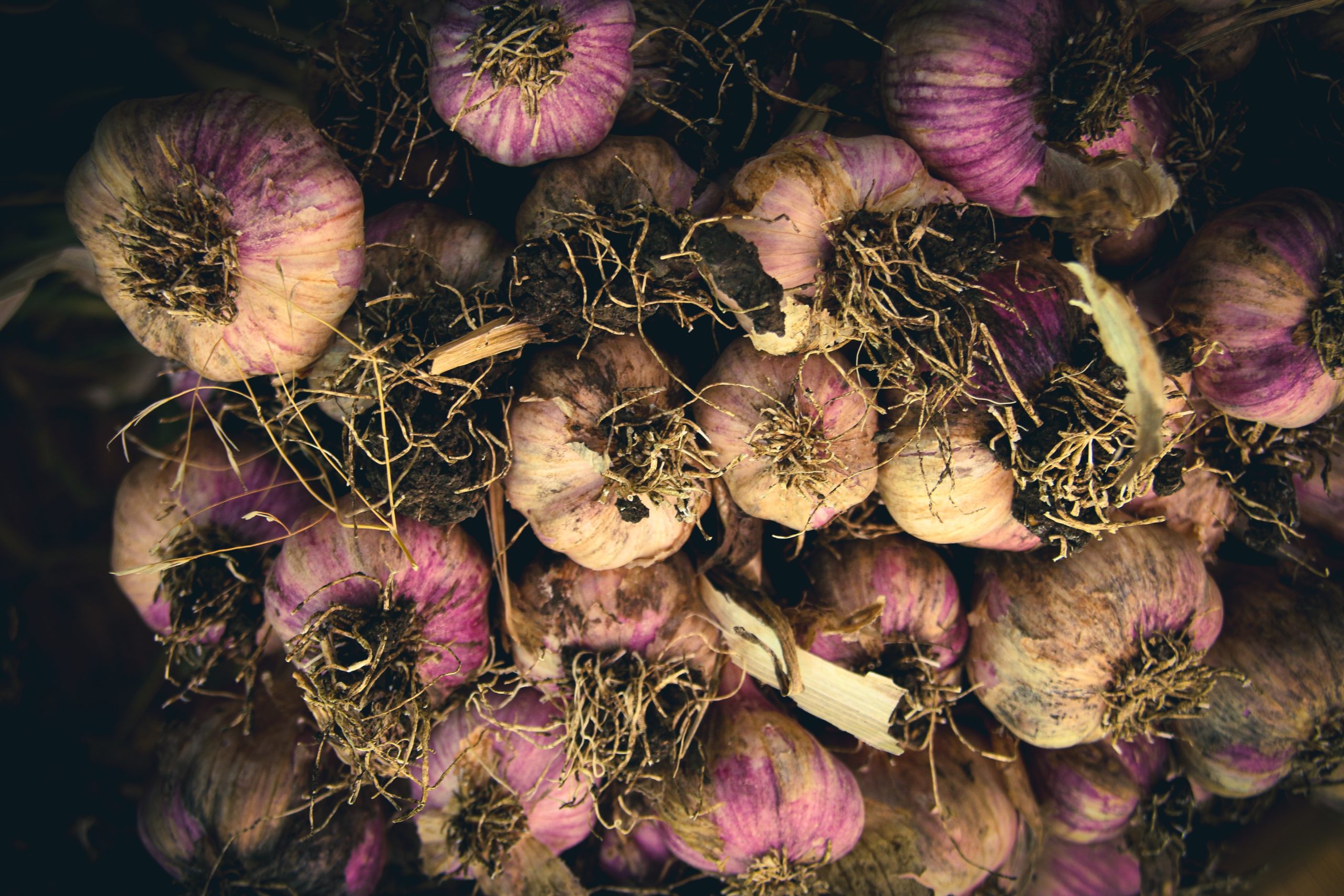
A Heal-All Garlic and Olive Oil Topping
Garlic is part of the Allium genus which includes onions, shallots, and leeks. Its major active component, the amino acid allicin
 www.thesacredscience.com
How to Make Immune-Supporting Elderberry Tea

How to Make Immune-Supporting Elderberry Tea
By Jill Levy Elderberry is recognized within the wellness space as an immune-supporting herb that promotes overall health. Its beneficial use is thought to date back to Hippocrates, who valued the plant because of its health-supporting versatility. In addition to supplementing with elderberry...
store.draxe.com
Marine Collagen Benefits and How to Use

Marine Collagen Benefits and How to Use
By Jill Levy Wondering how different sources of collagen compare? Fish collagen, also sometimes called marine collagen, definitely tops the list, considering it’s one of the most highly available types. While there are benefits associated with all animal collagen sources, fish collagen peptides...
store.draxe.com
‘Silent’ AFib Can Lead to Stroke
By Chauncey Crandall, M.D.
People who suffer a stroke for no apparent reason should be tested for what is called “silent atrial fibrillation,” a condition that raises stroke risk but does not turn up during routine cardiac testing, one study suggests.
Atrial fibrillation (AFib) is a dangerous heartbeat irregularity that disrupts the flow of blood through the heart. It can lead to a blood clot that travels to the brain, causing a stroke.
People who have AFib can experience a variety of symptoms, including heart palpitations, shortness of breath, weakness, chest pain, dizziness, or fatigue. However, “silent” or asymptomatic atrial fibrillation does not cause symptoms, so it can remain undetected.
Special: 5 Stroke Warning Signs You Should Call 911 Immediately
Researchers presented data at a meeting of the International Stroke Conference in Honolulu from 572 patients who had experienced either unexplained strokes or transient ischemic attacks (TIAs), a condition that’s usually temporary and causes symptoms similar to stroke, but often foreshadows a genuine stroke.
When the researchers tested subjects with a traditional Holter monitor, which records the heartbeat for 24 hours, they found AFib in 3% of people tested.
Researchers said the study also showed the need to rigorously screen people who had unexplained strokes or TIAs so steps can be taken to reduce their risk.
By Chauncey Crandall, M.D.
People who suffer a stroke for no apparent reason should be tested for what is called “silent atrial fibrillation,” a condition that raises stroke risk but does not turn up during routine cardiac testing, one study suggests.
Atrial fibrillation (AFib) is a dangerous heartbeat irregularity that disrupts the flow of blood through the heart. It can lead to a blood clot that travels to the brain, causing a stroke.
People who have AFib can experience a variety of symptoms, including heart palpitations, shortness of breath, weakness, chest pain, dizziness, or fatigue. However, “silent” or asymptomatic atrial fibrillation does not cause symptoms, so it can remain undetected.
Special: 5 Stroke Warning Signs You Should Call 911 Immediately
Researchers presented data at a meeting of the International Stroke Conference in Honolulu from 572 patients who had experienced either unexplained strokes or transient ischemic attacks (TIAs), a condition that’s usually temporary and causes symptoms similar to stroke, but often foreshadows a genuine stroke.
When the researchers tested subjects with a traditional Holter monitor, which records the heartbeat for 24 hours, they found AFib in 3% of people tested.
Researchers said the study also showed the need to rigorously screen people who had unexplained strokes or TIAs so steps can be taken to reduce their risk.
High-Dose Vitamin C Successful in Treating Covid-Related Sepsis

High-Dose Vitamin C Successful in Treating Covid-Related Sepsis
There has been another win for nutrition in coronavirus research this week, with Australia’s ABC reporting the story of a 40-year-old patient who contracted sepsis making a remarkable recovery after receiving high-dose ascorbic acid treatment. The Australian patient became critically ill after...
Herbal, at-home treatments for SIBO,
Herbal antibiotics are one of the most effective treatments for SIBO. (Research has even shown that though they take a little longer, they work just as well as prescription antibiotics!)
A standard SIBO treatment, according to Dr. Siebecker, is 1-3 of the following herbs for 4 weeks, at the highest levels suggested on product labels:
Herbal antibiotics are one of the most effective treatments for SIBO. (Research has even shown that though they take a little longer, they work just as well as prescription antibiotics!)
A standard SIBO treatment, according to Dr. Siebecker, is 1-3 of the following herbs for 4 weeks, at the highest levels suggested on product labels:
- Allicin
- Oregano
- Berberine- found in Goldenseal, Oregon Grape, Barberry, Coptis, Phellodendron
- Neem
FDA reveals long list of serious health conditions that may result from covid-19 vaccinations, including death

FDA reveals long list of serious health conditions that may result from covid-19 vaccinations, including death – NaturalNews.com
Behind closed doors, the US Food and Drug Administration (FDA) has discussed a long list of serious health problems that will be caused by new covid-19 injections. These “adverse events” are not publicized because vaccine companies and their media cohorts need everyone to believe that the...
 Doctors & Medical Professionals From All Over The World Speak Out - Please Share
Doctors & Medical Professionals From All Over The World Speak Out - Please Share
Doctors and Medical Professionals From All Over The World Speak Out : On Covid, vaccinations etc: Dr Andy Kaufman - USA Prof Dolores Cahill - Ireland Dr Hilde De Smet - Belgium Dr Elizabeth Evans - UK, Dr Nils Fosse - Norway Dr Mohammed Adil UK Dr Vernon Coleman - UK Dr Zac Cox -UK Dr Carrie...

Prof Chossudovsky and his crew over at https://www.globalresearch.ca/ have been saying pretty much the same thing since the beginning. As well as others in the non-mainstream scientific journals (including the first modelers). We tend to silence the truth. It is very inconvenient, and as one smart German guy once said - Truth is a violent thing.
How To Balance Crystals In Your Ear

How To Balance Crystals In Your Ear
Feeling dizzy in the middle of the night? You may need to balance the crystals in your ear. Here’s how to do it properly.
 www.thealternativedaily.com

|
|
|---|
 .
.
| ||
| ||
|


| ||
|

Why Use Zinc Cream For Skin Rashes

 www.skinterrupt.com
172: Why Use Zinc Cream For Skin Rashes
Can zinc applied to your skin help skin rashes? Let’s talk about how topical zinc can be helpful and the different ways you can add it to your protocol!
www.skinterrupt.com
6 Medicinal Mushrooms to Protect Your Liver

6 Medicinal Mushrooms to Protect Your Liver
Medicinal mushrooms have been used for thousands of years across all cultures for their potent healing capacities. Among their many benefits, the promotion of liver function is one of the most heavily supported by research. Discover the 6 medicinal mushrooms that may protect your liver in this...
 myersdetox.com
Lockdowns give rise to negative health issues for “work from home” Americans, study reveals
Lockdowns Give Rise to New Health Problems | NaturalHealth365
(NaturalHealth365) There are growing concerns about the negative health effects of these COVID-19 lockdowns. Learn about the dangers.
 www.naturalhealth365.com
DANGER on your plate: Serious health risks linked to processed meats
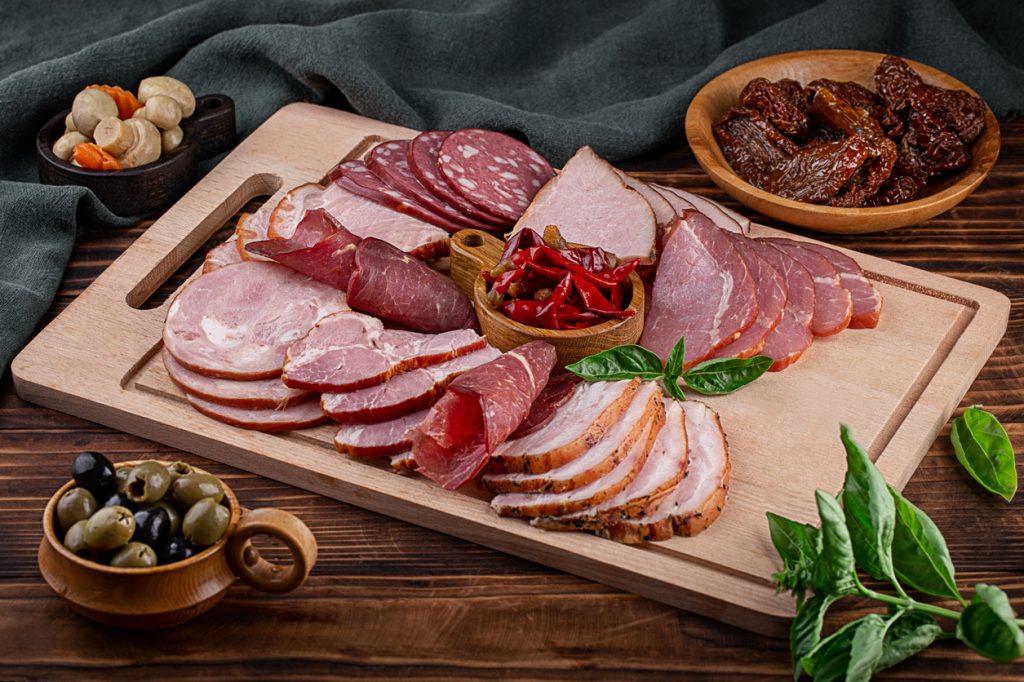
Processed Meat Risks Revealed | NaturalHealth365
(NaturalHealth365) New research warns about serious health risks associated with processed meat everyone must know. Read the findings here.
www.naturalhealth365.com
Hi Jimi,
As we’re entering the end of the year, I can’t help but bring out my health journal and set important goals for 2021.
I recently learned that in the US alone, more than 40 million people have been diagnosed with an autoimmune disease…
And each year, more than 300,000 people get added to that number with a Lyme diagnosis.
It only gets worse when traditional doctors don’t give patients the answers they need—especially due to our traditional medicine-centered culture.
But what if I told you that you are your own healing agent?
Our friend and producer, Gabe Golden, has recently created this transformative film and seven-episode series inspired by his own traumatic experience with medication for rheumatoid arthritis.
He began to search for the underlying cause of his condition and soon learned that others were on the same path and seeking answers where mainstream medicine had failed.
He created this film and shares empowering stories of those who navigated the same healing journey and insights from the physicians and practitioners who helped them (David is one of them!!)
Why attend?
Register FREE here.
See you there!
You’re the best!
Angel Jockers
Lead Happiness Manager
Dr. David Jockers
As we’re entering the end of the year, I can’t help but bring out my health journal and set important goals for 2021.
I recently learned that in the US alone, more than 40 million people have been diagnosed with an autoimmune disease…
And each year, more than 300,000 people get added to that number with a Lyme diagnosis.
It only gets worse when traditional doctors don’t give patients the answers they need—especially due to our traditional medicine-centered culture.
But what if I told you that you are your own healing agent?
Our friend and producer, Gabe Golden, has recently created this transformative film and seven-episode series inspired by his own traumatic experience with medication for rheumatoid arthritis.
He began to search for the underlying cause of his condition and soon learned that others were on the same path and seeking answers where mainstream medicine had failed.
He created this film and shares empowering stories of those who navigated the same healing journey and insights from the physicians and practitioners who helped them (David is one of them!!)
Why attend?
- You’ll learn how to build your own healing power through nutrition
- Optimize your biology with technology
- Create a healing state of mind
- Access my exclusive interview with Gabe
- And so much more!
Register FREE here.
See you there!
You’re the best!
Angel Jockers
Lead Happiness Manager
Dr. David Jockers
BUSTING THE TOP 5 MENOPAUSE MYTHS

Busting the Top 5 Menopause Myths - Dr. Mariza Snyder
It’s time to flip these myths. Here are 5 of the most common myths I hear women believing about menopause & the truth about each.
 www.drmariza.com
|

|
Antibacterial Soaps: 6 Reasons Why You Should Avoid Them

Antibacterial Soaps: 6 Reasons Why You Should Avoid Them
Antibacterial Soaps: 6 Reasons Why You Should Avoid Them. The rise in the talk about keeping our hands clean has spiked dramatically this year.
 drpompa.com
Carb Cravings: Causes and 14 Strategies to Eliminate Them
Carb Cravings: Causes and 14 Strategies to Eliminate Them
What are the causes and solutions for carb cravings? Find out the hidden reasons you can't control your sudden urges to binge.
drjockers.com
Full Moon Phase Parasite Protocol
Full Moon Phase Parasite Protocol
This article will discuss what parasites are, how they impact our body and how to do a full moon parasite protocol to cleanse your gut..
drjockers.com
Eczema: Symptoms, Causes & Support Strategies
Eczema: Symptoms, Causes & Support Strategies
Eczema is a common skin condition that causes skin inflammation, itchiness, scaly rashes, dryness, crusting and flaky skin.
drjockers.com
|

Doctors & Medical Experts Worldwide Warn Humanity Against Taking the COVID19 Vaccine

 www.brighteon.com
Doctors & Medical Experts Worldwide Warn Humanity Against Taking the COVID19 Vaccine
Brighteon.com is a leading online free platform that empowers free speech, allowing individuals to freely share videos and express their thoughts without any form of censorship. Join us today and be part of our community.
Pfizer’s vaccine studies are based on FRAUD and put lives in danger, warns former Pfizer vice president

Pfizer’s vaccine studies are based on FRAUD and put lives in danger, warns former Pfizer vice president – NaturalNews.com
Dr. Michael Yeadon, the former vice president and scientific director for Pfizer, has come forward with evidence that widespread SCIENCE FRAUD was used in the 2020 race for a coronavirus vaccine. In pursuit of speedy regulatory approval, Pfizer abandoned all scientific integrity. The study...