Get Calories Early in the Day
By Dr. Oz and Dr. Roizen, MDs
Sesame Street's Cookie Monster once appeared on a broadcast of “The Wilder Project” on Sports Illustrated's SITV. When asked who his favorite quarterback is, he chose Baker Mayfield.
“How could me not go with guy named Baker?” he asked.
Special: The Ultimate Solution to a Peaceful Night's Sleep
We love bad grammar and all, but we're not really cookie fans unless they're made with whole grain flour, no added sugar, and nuts and seeds.
And we can't totally agree with the book “Cookie Monster's Good Time to Eat,” in which he touted breakfast in the morning, but cookies anytime.
Then again, he didn't have access to the research Dr. Mike and Dr. Michael Crupain did for their book “What to Eat When.”
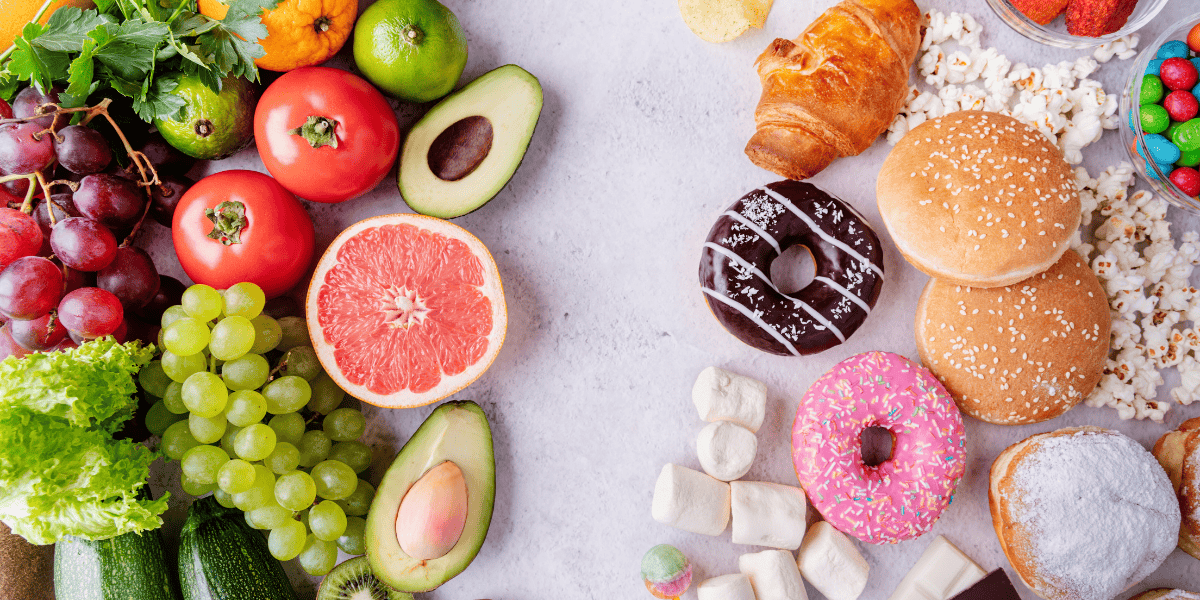
For example, the smart move is to eat most of your daily calories before 2 p.m., so breakfast cereal or a salad for dinner is a really good choice. And try to put at least 13 hours between your last meal of the day and breakfast the next morning.
What are the rewards? A lower risk of everything from diabetes to cancer, easier weight management, and feeling younger.
Research confirms this. One study presented at the Endocrine Society's annual meeting found that eating later in the day increases body fat and promotes weight gain.
Another outlined how eating during only eight of every 24 hours reduces obese mice's breast cancer risk and tumor growth to levels of lean mice.
So consider eating dinner for breakfast, and discover the benefits of what to eat when.


 www.naturalhealth365.com





 Register for the FREE Natural Approaches to Osteoporosis and Bone Health Summit!