Low-Back Pain Linked to Diet
By Dr. Oz and Dr. Roizen, MDs
Low-back pain is the number two reason for doctor's office visits in the United States, and number one for orthopedic visits. Some studies show it affects around 13% of U.S. adults ages 20 to 69.
There are all kinds of reasons for low-back pain, including stress, depression, and actual injury to muscles or bones (though that is far less common). But all of those triggers may be able to cause serious distress because you have an underlying health challenge: chronic inflammation fueled by poor nutrition.
Special: Thinning Hair? Pour This on Your Head and Watch What Happens
A new study presented at a recent Association of Academic Physiatrists annual meeting shows that eating inflammatory foods increases the risk of low-back pain. The researchers from the University of Pittsburgh used the Dietary Inflammation Index (DII) to evaluate the food intake of people reporting low-back pain. The DII says the main food felons associated with low-back pain are saturated and trans fats, dairy, cholesterol-containing foods (red and processed meats, eggs, poultry skin), and processed carbs.
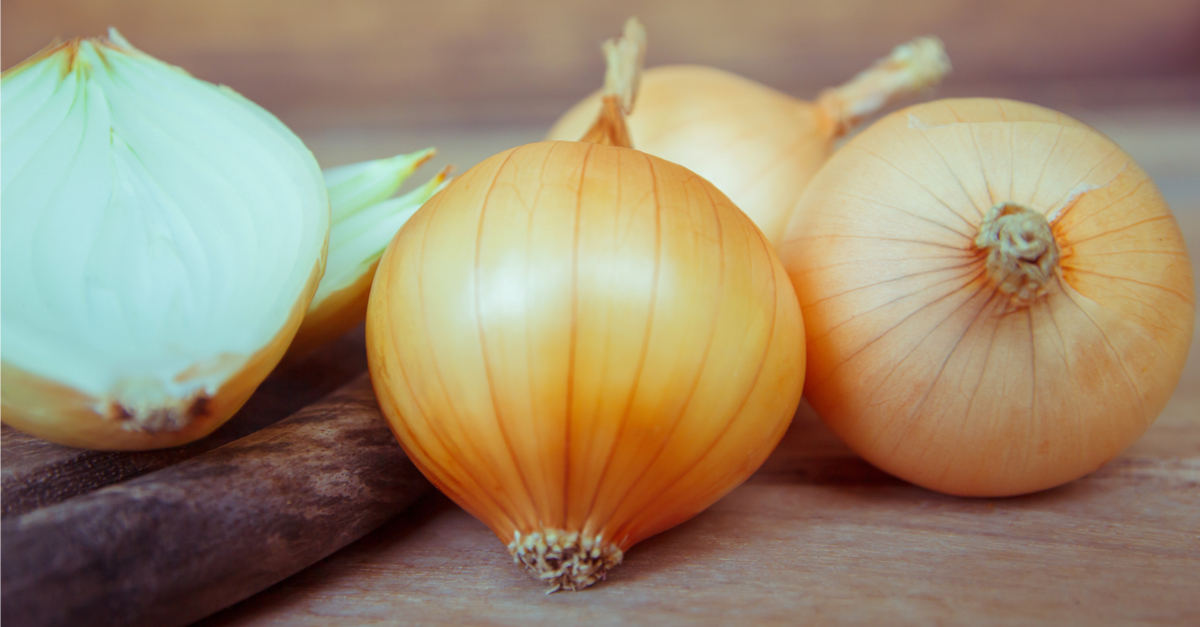
The DII also identifies ingredients that are most anti-inflammatory. They include turmeric, garlic, ginger, green and black teas, and foods loaded with flavanols, such as as onions, kale, grapes, red wine, peaches, berries, tomatoes, and broccoli, as well as omega-3 fatty acids (DHA, ALA, etc.) and fiber.
Here’s how to reduce your intake of inflammatory foods and relieve low-back pain:
• Substitute salmon and skinless poultry for all red and processed meats.
• Cook with anti-inflammatory spices such as garlic, turmeric, and ginger.
• Make sure to drink two to four cups of green or black tea.
• Eliminate fried foods and dairy.
• Dish up one extra fruit or vegetable in each meal: berries at breakfast, tomatoes at lunch, broccoli with dinner. Your goal is seven to nine servings of fruits and veggies a day.
By Dr. Oz and Dr. Roizen, MDs
Low-back pain is the number two reason for doctor's office visits in the United States, and number one for orthopedic visits. Some studies show it affects around 13% of U.S. adults ages 20 to 69.
There are all kinds of reasons for low-back pain, including stress, depression, and actual injury to muscles or bones (though that is far less common). But all of those triggers may be able to cause serious distress because you have an underlying health challenge: chronic inflammation fueled by poor nutrition.
Special: Thinning Hair? Pour This on Your Head and Watch What Happens
A new study presented at a recent Association of Academic Physiatrists annual meeting shows that eating inflammatory foods increases the risk of low-back pain. The researchers from the University of Pittsburgh used the Dietary Inflammation Index (DII) to evaluate the food intake of people reporting low-back pain. The DII says the main food felons associated with low-back pain are saturated and trans fats, dairy, cholesterol-containing foods (red and processed meats, eggs, poultry skin), and processed carbs.
The DII also identifies ingredients that are most anti-inflammatory. They include turmeric, garlic, ginger, green and black teas, and foods loaded with flavanols, such as as onions, kale, grapes, red wine, peaches, berries, tomatoes, and broccoli, as well as omega-3 fatty acids (DHA, ALA, etc.) and fiber.
Here’s how to reduce your intake of inflammatory foods and relieve low-back pain:
• Substitute salmon and skinless poultry for all red and processed meats.
• Cook with anti-inflammatory spices such as garlic, turmeric, and ginger.
• Make sure to drink two to four cups of green or black tea.
• Eliminate fried foods and dairy.
• Dish up one extra fruit or vegetable in each meal: berries at breakfast, tomatoes at lunch, broccoli with dinner. Your goal is seven to nine servings of fruits and veggies a day.




 .
.